Israel confirms first publicly acknowledged ground operation in southern Lebanon
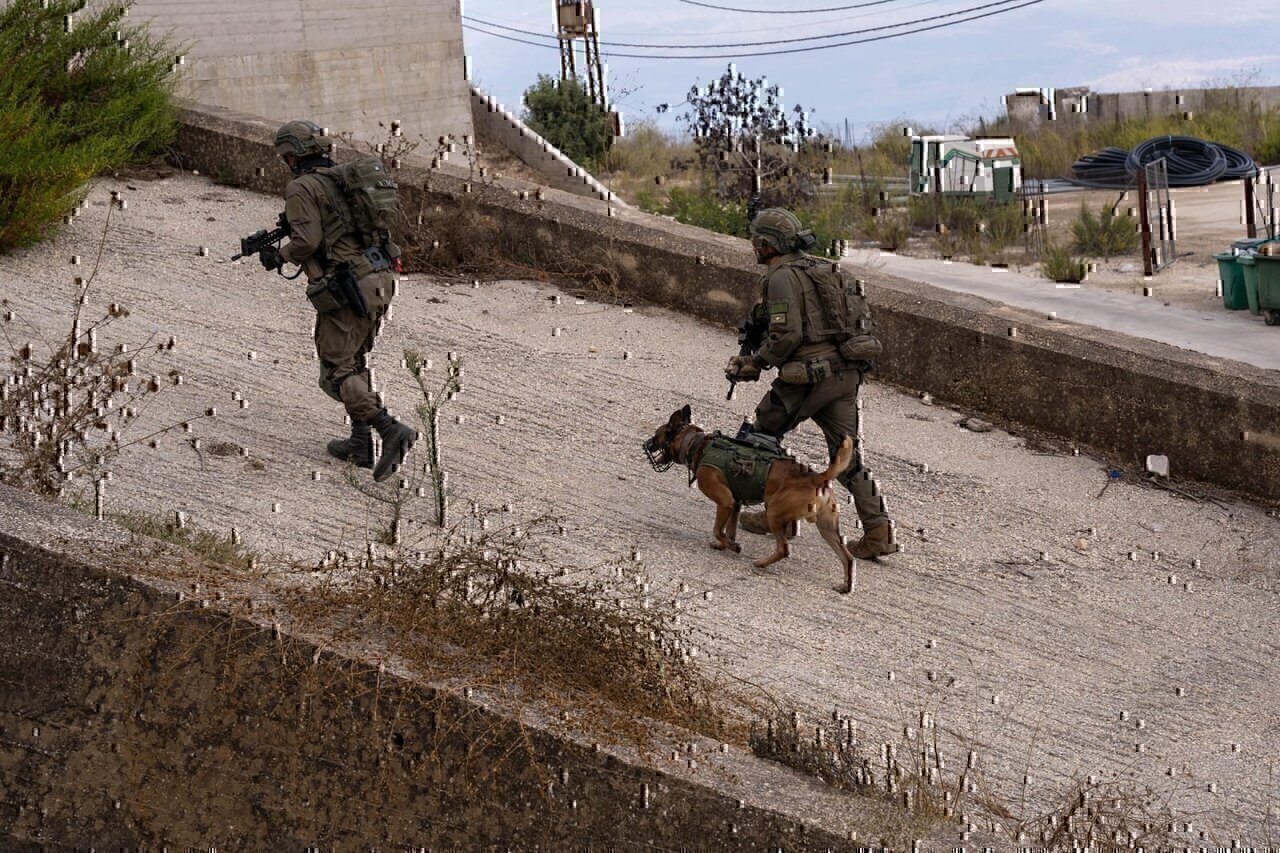
As the Israel-Hamas war enters its 18th day, the region’s crisis widened on the ground and in the skies. Israel announced a limited ground operation in southern Lebanon, targeting Hezbollah’s strongholds near the border, a move that marks the first time Israel publicly confirmed a ground offensive in Lebanon. The step comes after days of intensive bombardment of southern Lebanon, a frontline area where Hezbollah operates as an ally of Iran.
Israel’s military also said it carried out airstrikes against targets it described as Hezbollah infrastructure in Beirut and against what it called Tehran-based “terrorist” facilities. The strikes underscore a broader campaign-linked to the wider regional confrontation that Israel says it is pursuing along multiple fronts.
Iran and its allied groups in the region did not remain idle. Iranian and pro-Iranian forces carried out attacks aimed at American assets and oil facilities in the region, including strikes in and around Iraq. In Baghdad, rockets and drones were launched toward the U.S. Embassy compound in the Green Zone, with authorities saying several projectiles and drones targeted the area early in the day and one rocket reportedly intercepted moments before reaching the embassy.
In addition, there were reports of clashes and casualties in Iraq linked to Iranian-linked militias. State media and security officials cited at least six deaths and several injuries in a nighttime strike on a house in central Baghdad, including members of the pro-Iran Iraqi Popular Mobilization Forces and Iranian advisers, though casualty figures varied across outlets. The Green Zone housing the U.S. and other diplomatic missions has been a frequent target in this period of escalating tensions.
The conflict also crossed the Persian Gulf. An oil tanker anchored off Oman was struck by an unidentified projectile, according to the UK Maritime Trade Operations coordination center, though there were no reported injuries. The area adjacent to the Hormuz Strait, a critical chokepoint for global oil shipments, has been a focal point for attacks and threats linked to Iran and its allies.
In the United Arab Emirates, a drone attack set a fire at an oil-focused industrial complex in Fujairah, prompting an emergency response and a temporary closure of airspace—now reportedly reopened as authorities said flights have resumed. The UAE also reported that debris from a ballistic missile interceptor caused a death in Abu Dhabi, with one Pakistani national killed by falling debris.
Taken together, the episode illustrates a broad, multi-front escalation that stretches from the Lebanon-Israel border to Iraq’s Green Zone and into the Gulf. For U.S. readers, the unfolding violence matters beyond regional politics: it heightens risks to global energy supply lines, raises the possibility of broader disruption to shipping through the Strait of Hormuz, and increases the potential for U.S. personnel and assets in the region to come under pressure or retaliation. The episode also tests U.S.-led alliance dynamics, regional deterrence, and the stability of international markets linked to oil and gas prices.