U.S. Seeks Japan's Backing for Hormuz Maritime Task Force, Favors Multinational Approach
The Yomiuri Shimbun reported that the United States is seeking Japan’s backing for a Maritime Task Force to safeguard shipping through the Hormuz Strait, a plan described as separate from U.S.-Israel operations targeting Iran.
According to the report, U.S. Defense Secretary Pete Hagseth spoke with Japanese Defense Minister Shinjiro Koizumi in a phone call on the 15th. He told Koizumi that Washington would like Japan to join a coordinated Maritime Task Force for Hormuz, but the exact activities would be reviewed over a period of days to weeks. Hagseth stressed that he was not demanding equipment deployments or concrete aims for Self-Defense Forces participation.
The minister was reportedly told that the United States does not intend to press for the deployment of specific assets in the immediate term; the focus is on a collective, multinational approach rather than a unilateral action by the United States.
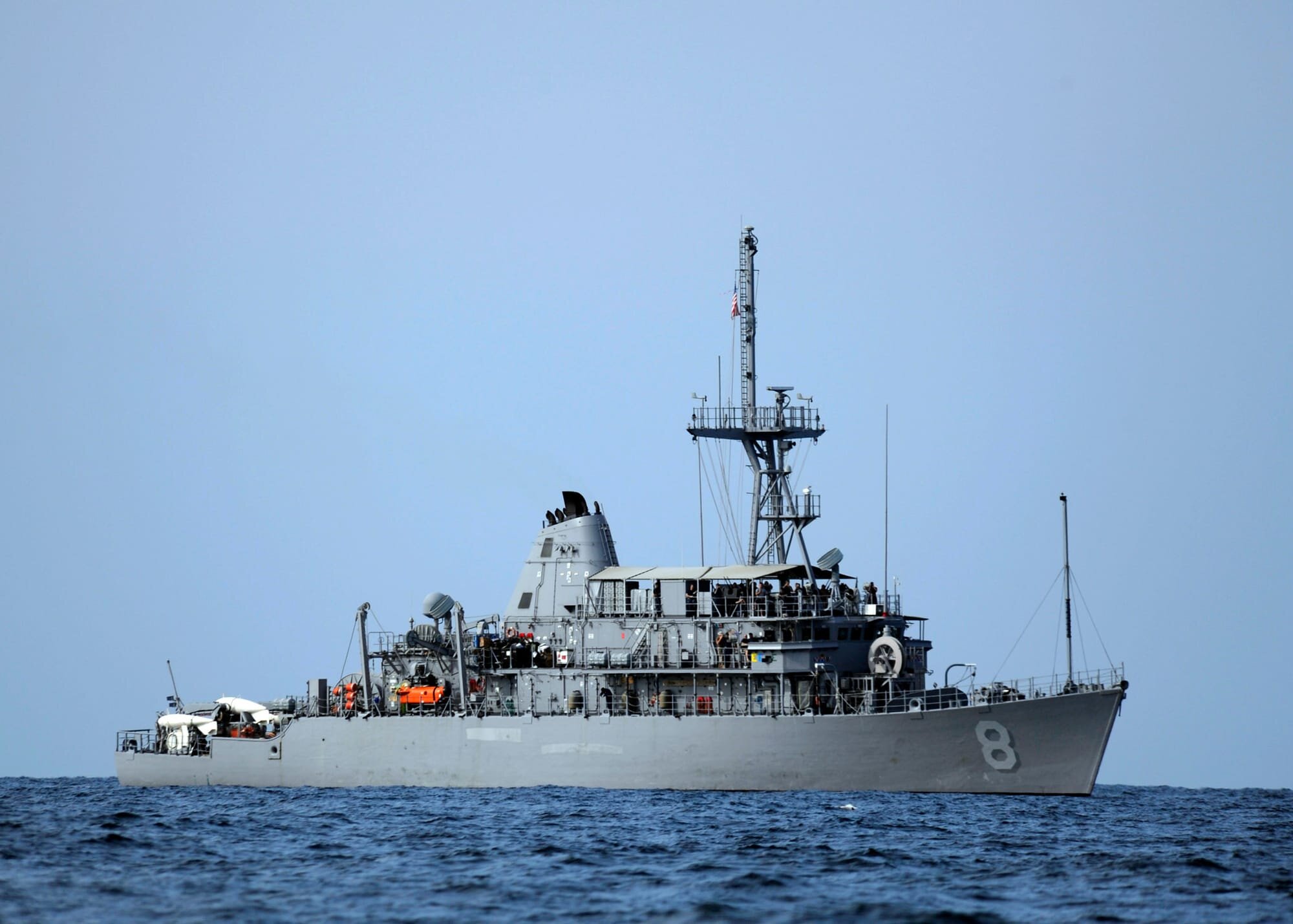
Hagseth is said to have limited potential TF participants to nations that rely on the Hormuz Strait for energy supplies, underscoring the need for unity among energy-dependent allies.
The official also indicated that at the U.S.-Japan summit in the United States on the 19th, President Donald Trump is expected to request cooperation from Prime Minister Shinzo Abe for the Maritime TF.
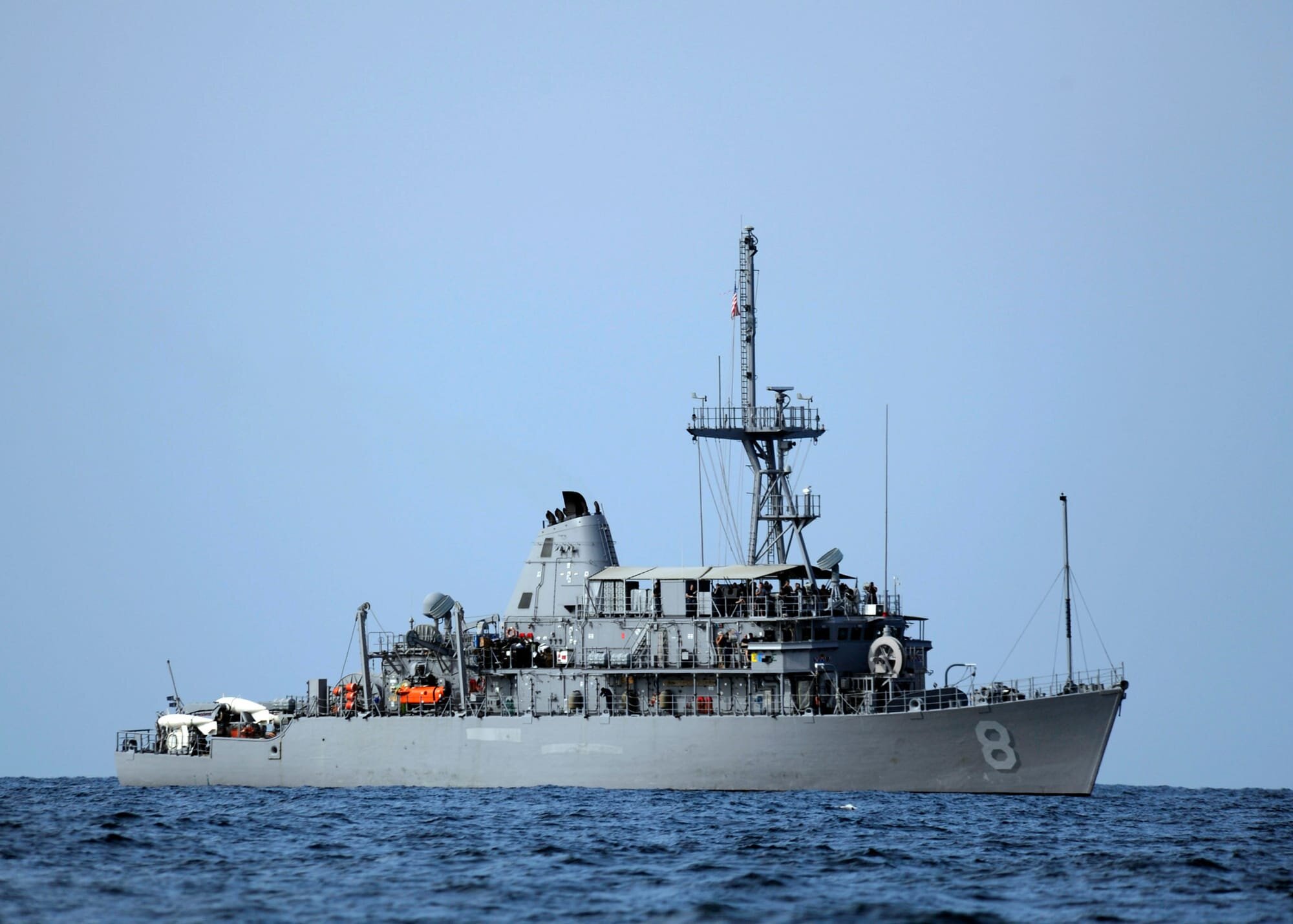
Koizumi reportedly did not immediately respond to the request. The report notes that in 2019, during Trump’s first term, the United States pressed for participation in a Hormuz escort operation, but Japan did not join, citing its cordial relations with Iran and choosing to dispatch its own escort vessels instead.
Japan’s stance matters in context: more than 90% of its oil imports come from the Middle East, highlighting energy security as a central consideration for Tokyo.
For the United States, the issue matters beyond Korea because Hormuz is a global oil chokepoint that can affect energy prices, supply chains and market stability. A broader, coordinated maritime safety effort could influence global energy security, reinforce the U.S.-Japan alliance, and help manage risks to American and allied economies dependent on Middle East oil.