Hyundai and Nvidia expand autonomous driving alliance to accelerate robotaxi and SDV plans
Hyundai Motor Group and Nvidia have announced a major expansion of their collaboration on autonomous driving, aiming to accelerate commercialization. The plan centers on adopting Nvidia’s Drive Hyperion autonomous driving platform for Hyundai’s robotaxi program, with the longer-term goal of building Hyundai’s own software-defined vehicle capabilities around that data and technology backbone.
The expansion was publicly announced on the 17th, with Hyundai and Kia outlining a broader strategy to develop next-generation autonomous driving solutions using Drive Hyperion as the core platform for Hyundai’s robotaxi initiative. The move reflects Hyundai’s intent to speed up both development and deployment of autonomous driving features.
Under the arrangement, Nvidia’s Drive Hyperion platform—an integrated package including high-performance processing hardware, sensors, and software—will support a range of capabilities from Level 2 advanced driver assistance to Level 4 autonomous driving, scalable through software updates. This approach allows Hyundai to begin commercialization quickly while expanding functionality over time.
Hyundai says it will start with robotaxi deployments and, in the long term, extend the platform into its wider vehicle lineup. The company views the collaboration as a way to accelerate time to market and then layer in its own data and algorithms to build independent SDV capabilities.
A key element of the plan is data integration. Hyundai’s AVP (Autonomous Vehicle Platform) division will merge data with that of its data partners, including FortyToDot and Motional, alongside Nvidia’s autonomous driving data, to create a single, unified data framework. The aim is to use diverse data to strengthen AI learning and sensor-based decision-making, while pursuing internal SDV capabilities.
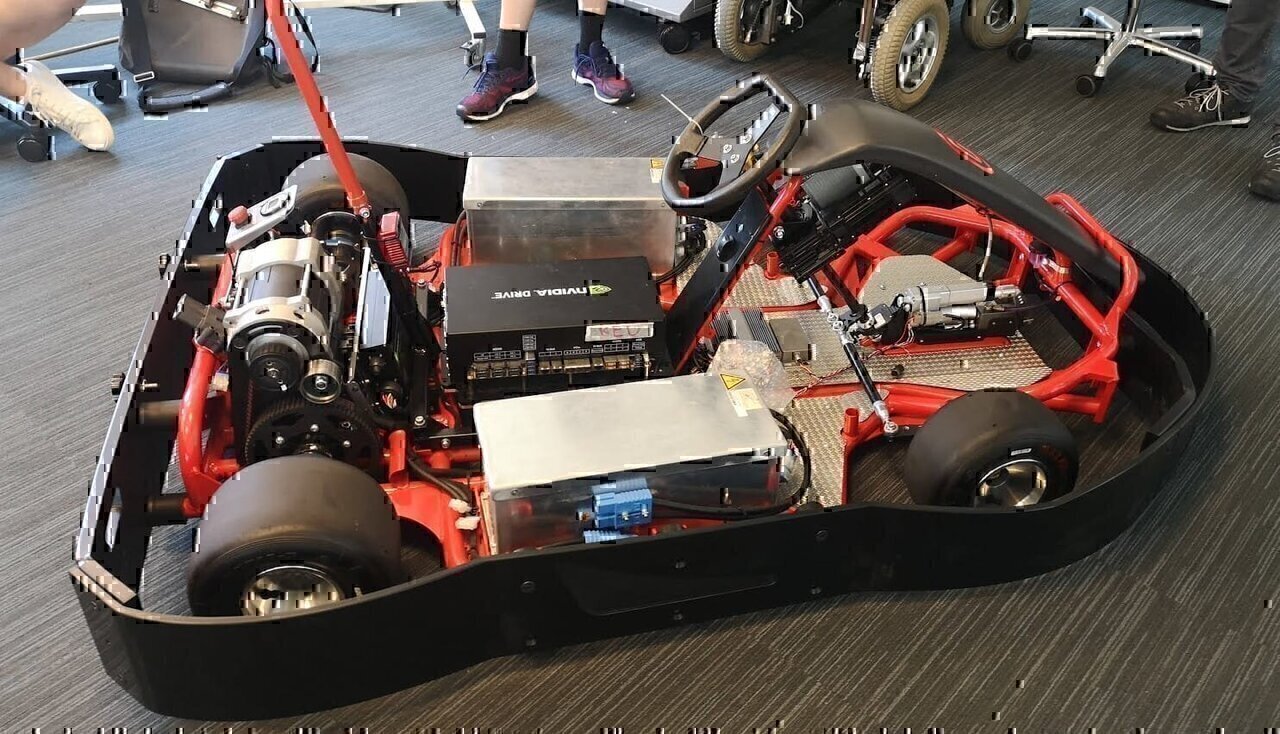
This platform-centric approach fits a broader industry trend. Nvidia already collaborates with Nissan and Isuzu in Japan and with BYD and Geely in China, indicating a growing ecosystem of automakers relying on a shared autonomous driving stack to speed development and regulatory approval across markets.
For U.S. audiences, the Hyundai-Nvidia collaboration highlights how a U.S.-based partner (Motional) and Nvidia’s AI-accelerator stack are playing into Asia’s largest automaker’s push into software-defined vehicles. The arrangement could influence supply chains, cross-border innovation, and the timeline for deploying scalable autonomous transportation in the United States.
Regulatory and safety considerations remain central. While the Drive Hyperion-based platform can accelerate testing and deployment by providing a validated base, approvals for automated driving systems still depend on local safety certifications. The Hyundai-Nvidia path illustrates how a shared, cross-manufacturer platform may help navigate these regulatory hurdles more efficiently.