Trump asks China to delay U.S.-China summit amid war-like crisis; Asia trip possible.
President Donald Trump said on a day marked by a White House ceremony that he asked China to delay the planned U.S.-China summit to the end of the month because the United States is dealing with a war-like situation. He said staying in the United States to manage the crisis was important, and that the talks with China are ongoing.
Trump indicated he would (or might) travel to Asia for the planned meeting with Chinese President Xi Jinping, but the schedule could shift in light of the conflict. He had been scheduled to meet Xi in China from the 31st to the following month, and he suggested the trip could be postponed if necessary.
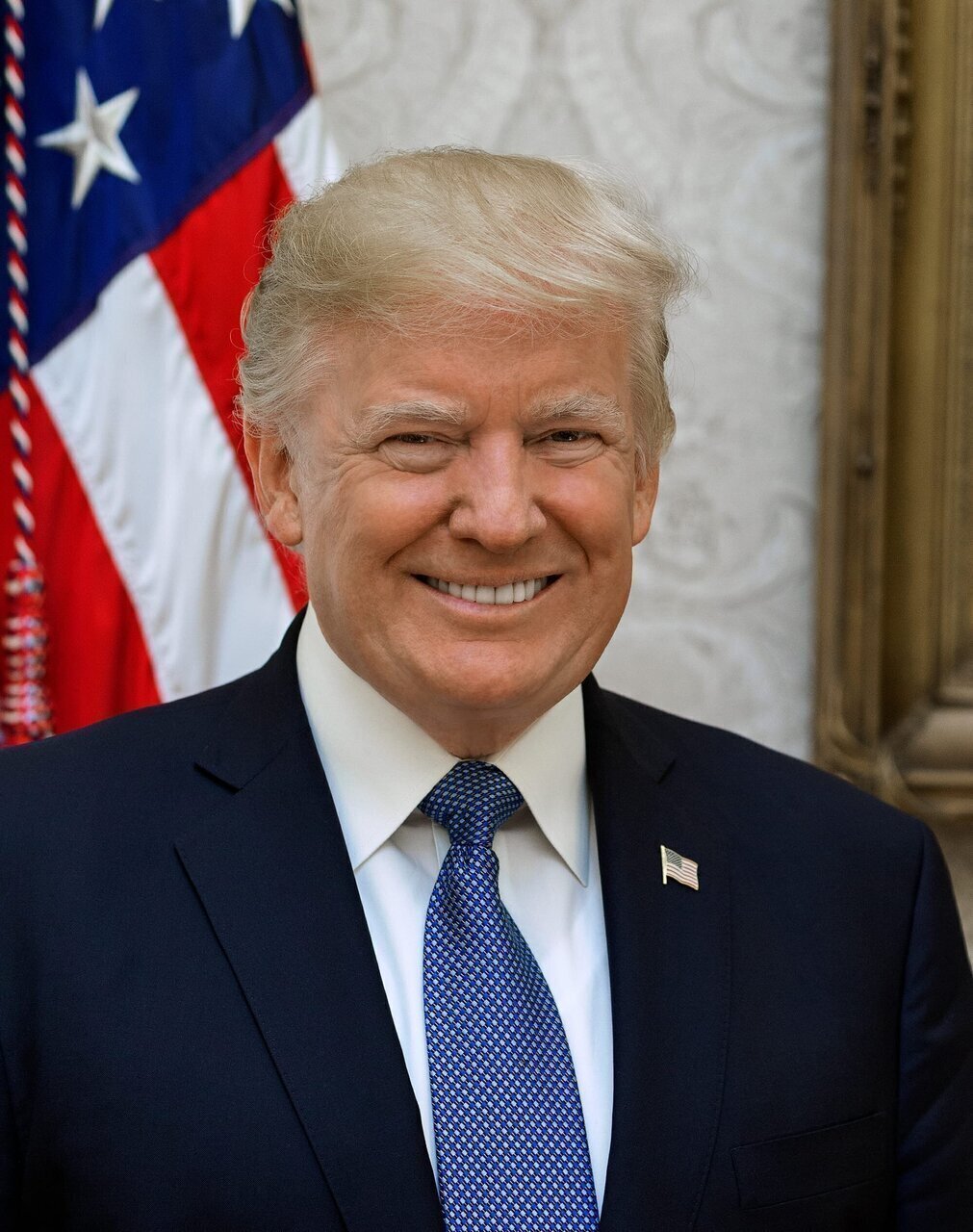
The president used the moment to criticize NATO, arguing that allied nations often do not stand with the United States in return for Washington’s defense commitments. “NATO’s problem is, we are always by their side, but they are not by ours,” he said, signaling frustration with alliance burden-sharing.
Trump cited troop levels in allied countries as part of his broader point about security commitments. He named roughly 45,000 U.S. troops in Japan, about 45,000 in Korea, and 40,000 to 50,000 in Germany. He noted that the United States defends these allies, while the actual size of U.S. forces in South Korea is about 28,500.
He added that the United States would be selective about whom it highlights for support, saying that at the appropriate time he would “name those great allies” who have stood with Washington.
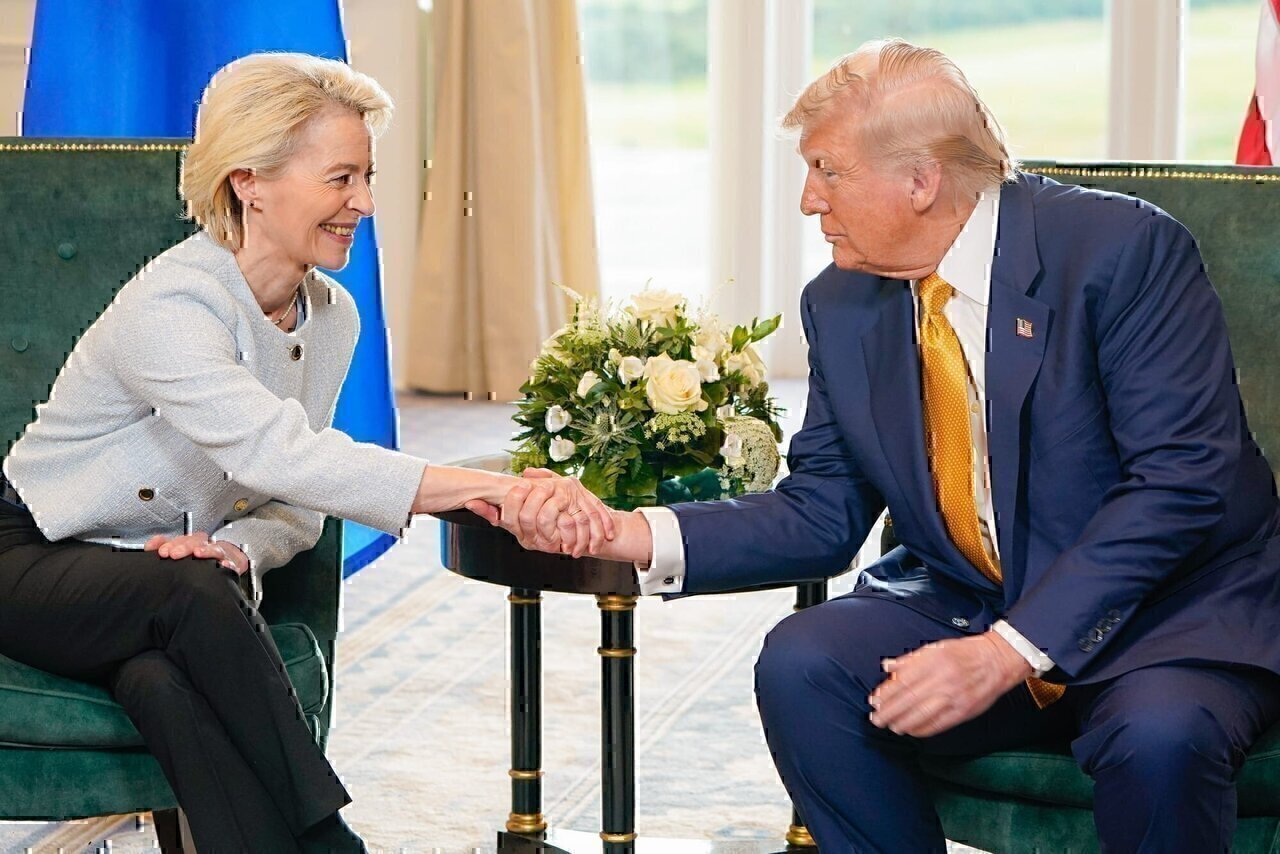
Earlier in the day, at a luncheon with the Trump-Kennedy Center board, Trump cited energy-import figures tied to the Hormuz Strait. He said Japan imports 95% of its energy, China about 90%, and that many European countries also rely heavily on Hormuz. He claimed Korea imports about 35% via Hormuz and urged those nations to step up to help secure the strait.
The remarks come as the Hormuz Strait remains a strategic chokepoint for global energy markets, and as the United States pushes for greater allied burden-sharing in Europe and Asia amid rising tensions with Iran and a tightening U.S.-China geopolitical environment. For U.S. readers, the episode underscores how security commitments, alliance dynamics, and energy dependencies shape policy choices, potential diplomacy, and financial markets beyond Korea.