South Korea, U.S. discuss Middle East security amid Hormuz tensions
South Korea’s Foreign Minister Cho Hyun and United States Secretary of State Marco Rubio met in Washington, D.C., at the State Department on February 3, ahead of a planned Korea-U.S. foreign ministers’ meeting. The encounter marked the start of elevated discussions between Seoul and Washington on shared diplomatic priorities.
On February 16, Cho Hyun and Rubio spoke by phone to discuss developments in the Middle East and the broader Korea-U.S. relationship. While the press briefing from Korea’s Foreign Ministry did not single out any formal request for the deployment of South Korean ships, the two sides exchanged views on regional security and the state of alliance cooperation.
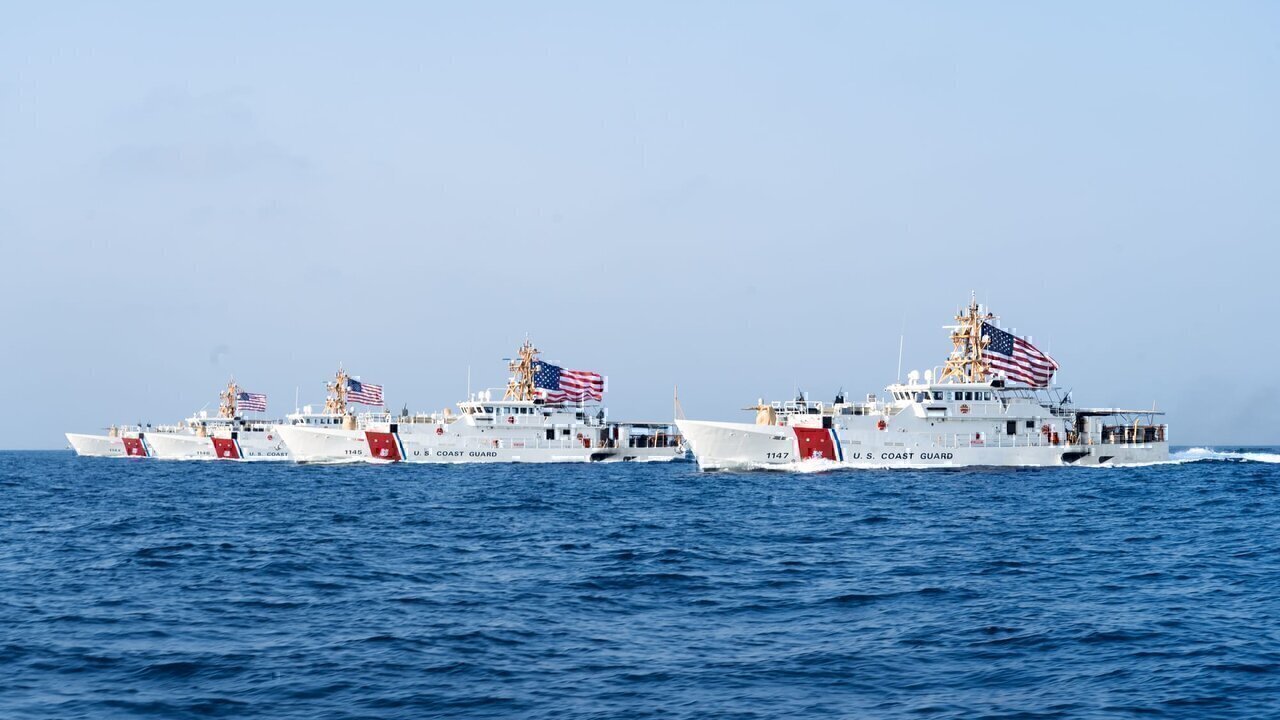
Rubio, in the call, underscored the importance of international cooperation to promote peace and stability in the Middle East, and he emphasized that long-term security in the Hormuz region and stabilization of global oil prices require sustained dialogue among many nations. He urged continued close communication between the two countries.
Cho Hyun responded that peace in the Middle East and the safety and freedom of navigation through the Hormuz Strait are essential for the security and economy of Korea and other nations. He said Seoul would continue to engage closely with Washington on these issues.
The phone discussion followed remarks by former U.S. President Donald Trump on February 14 via Truth Social, in which he suggested that several countries, including Korea, should send naval forces to Hormuz to deter artificial restrictions. The posts fueled expectations in some quarters that Washington might seek a formal deployment request from Seoul.
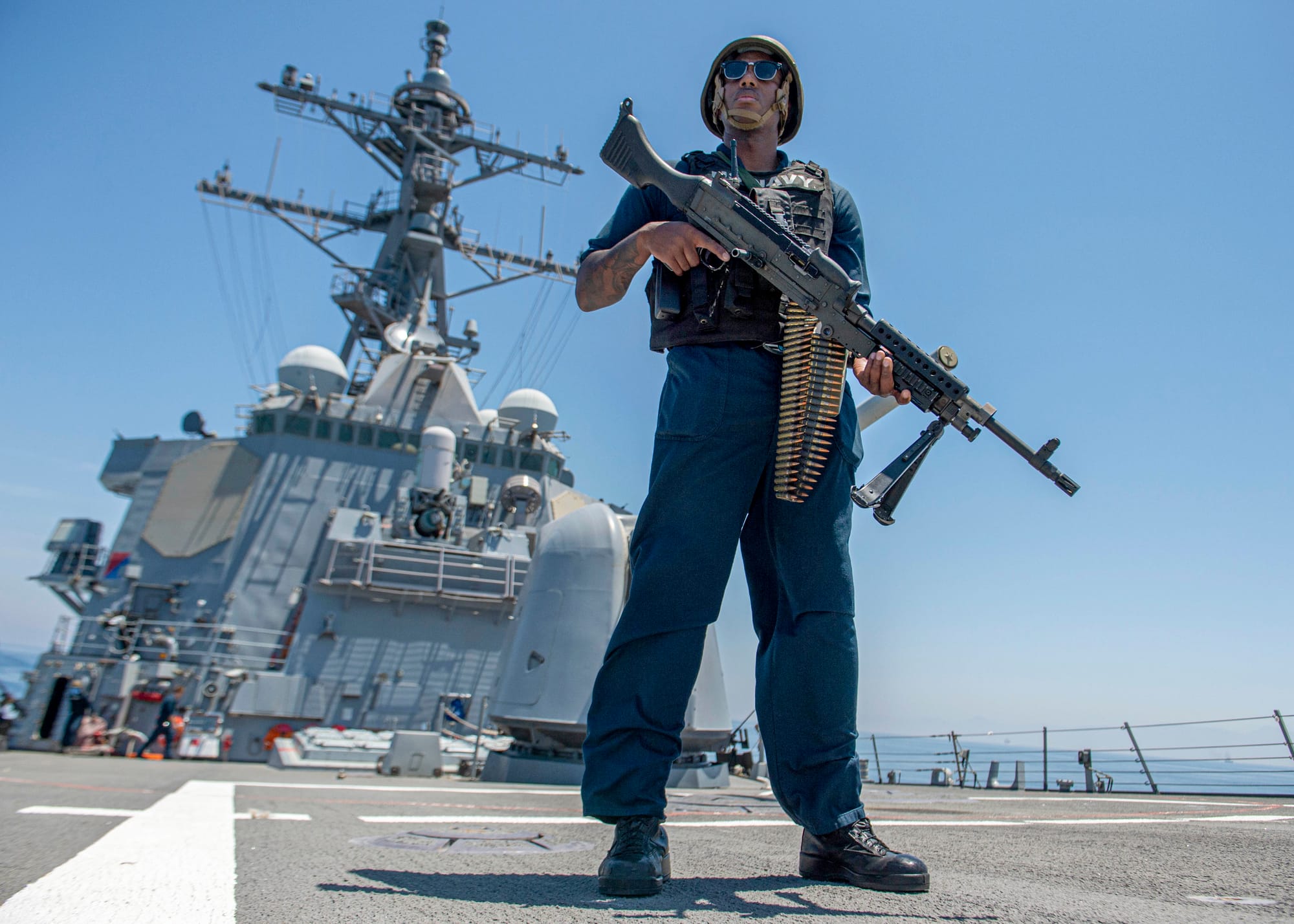
Amid those signals, Washington is reported to be considering the formation of a multinational coalition to escort vessels through Hormuz. In Seoul, however, presidential Blue House spokesperson Lee Gyu-yeon stressed that the deployment issue is being handled through careful, tightly coordinated U.S.-Korea communications, and that any decision will be made cautiously.
Why this matters beyond Korea: Hormuz is a critical global energy chokepoint, and stability there affects oil prices, supply chains, and financial markets worldwide, including the United States. A Korean role—whether through naval participation or other security cooperation—would reflect the depth of the U.S.-Korea alliance, influence U.S. energy and security planning, and potentially shape regional deterrence dynamics in the Persian Gulf and broader Asia-Pacific security architecture. The discussions also illustrate how South Korea seeks to balance alliance duties with its own economic and security interests amid a shifting Middle East posture and global oil-market considerations.