H5 avian influenza confirmed at Gimje farm; thousands culled, province-wide movement ban.
In North Jeolla Province, a layer farm in Yongji-myeon, Gimje City—the most densely populated poultry area in the province—has detected an H5 avian influenza antigen, according to local authorities.
The Jeollabuk-do government said a confirmatory test last night confirmed the H5 antigen at the farm, triggering preventive culling of more than 42,000 birds and an urgent containment response.
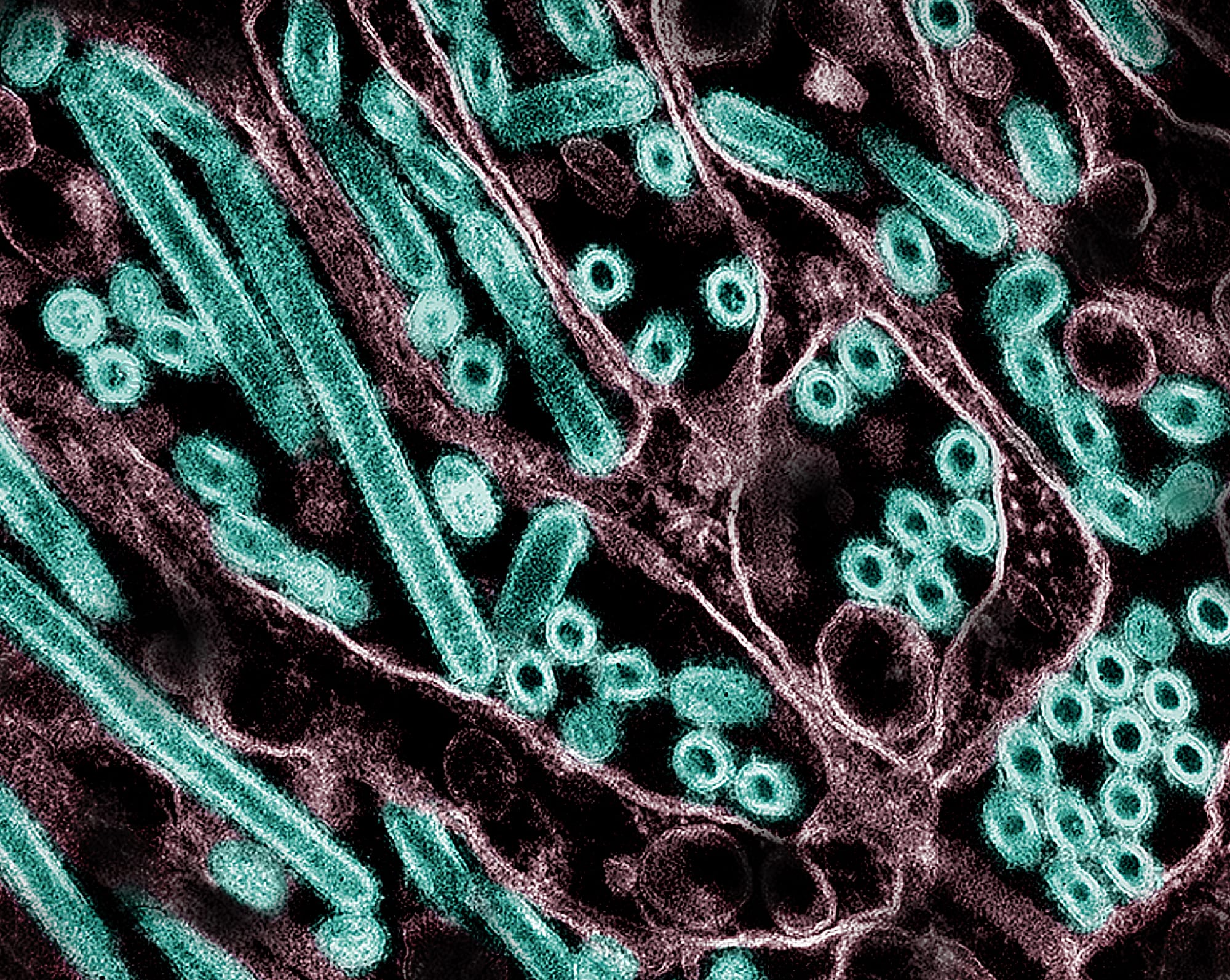
Within a 10-kilometer radius of the farm, 55 other poultry operations housing about 3.19 million chickens and ducks are under movement restrictions and subject to intensified testing to prevent possible spread.
In addition, a 24-hour temporary movement ban has been issued for layer farms and related facilities across the province, effective until 1:00 a.m. tomorrow, to curb potential transmission.
Officials say the final determination of whether the virus is highly pathogenic will be available within three days or sooner, as laboratories conduct further analysis.
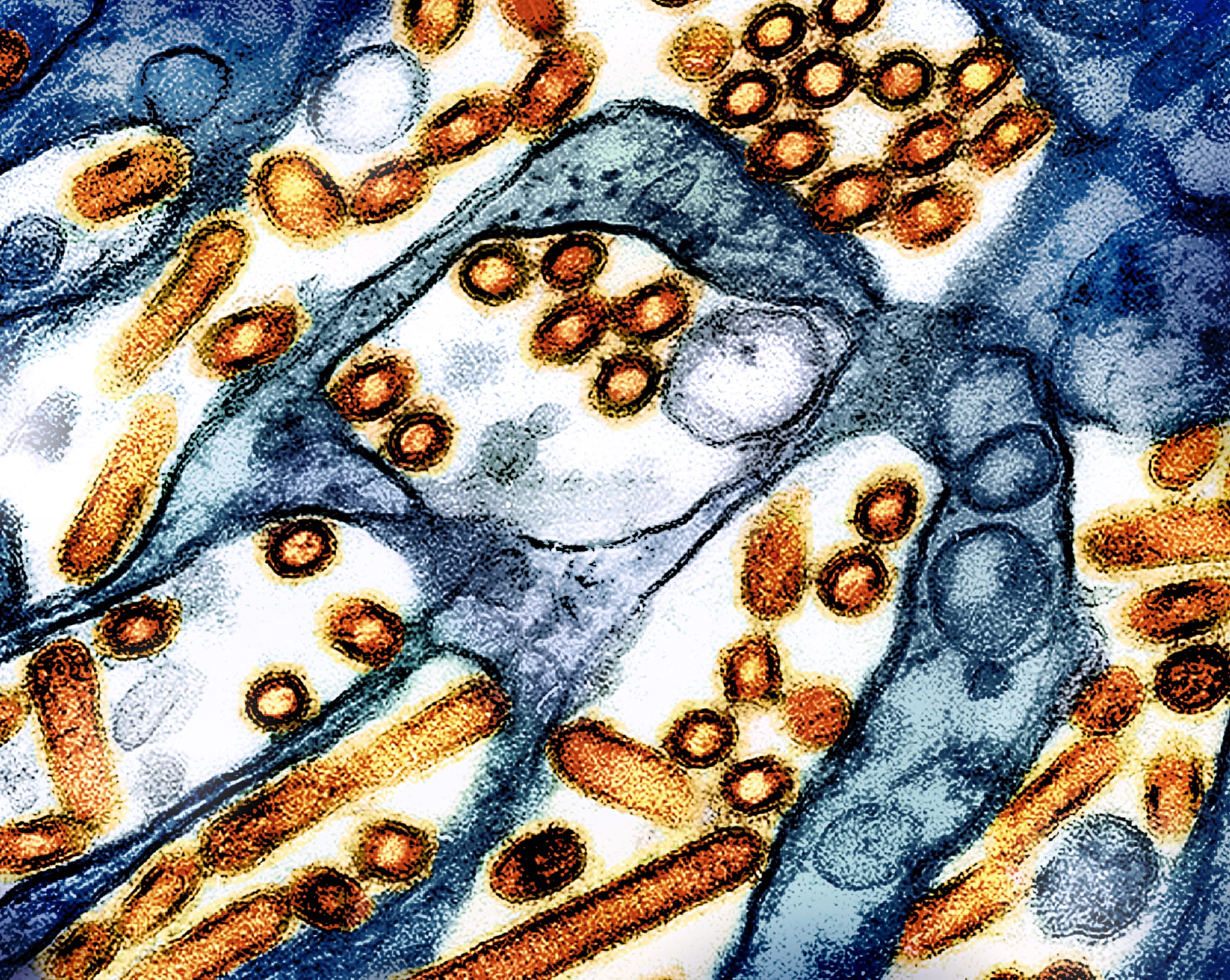
For U.S. readers, the episode highlights how avian influenza outbreaks in Asia can ripple through global poultry markets, potentially affecting egg and chicken prices, supply chains, and international trade policies. Even when direct imports are limited, regional outbreaks influence market expectations, biosecurity standards, and commodity flows that touch U.S. producers and consumers.
Context: Gimje is located in western Korea, and Yongji-myeon is a rural township within the region. The H5 designation refers to a subtype of avian influenza that can require swift culling and movement controls to contain, with the final status of highly pathogenic avian influenza shaping further trade and surveillance actions.