Seoul braces for poor air as wildfires abroad push PM2.5 south
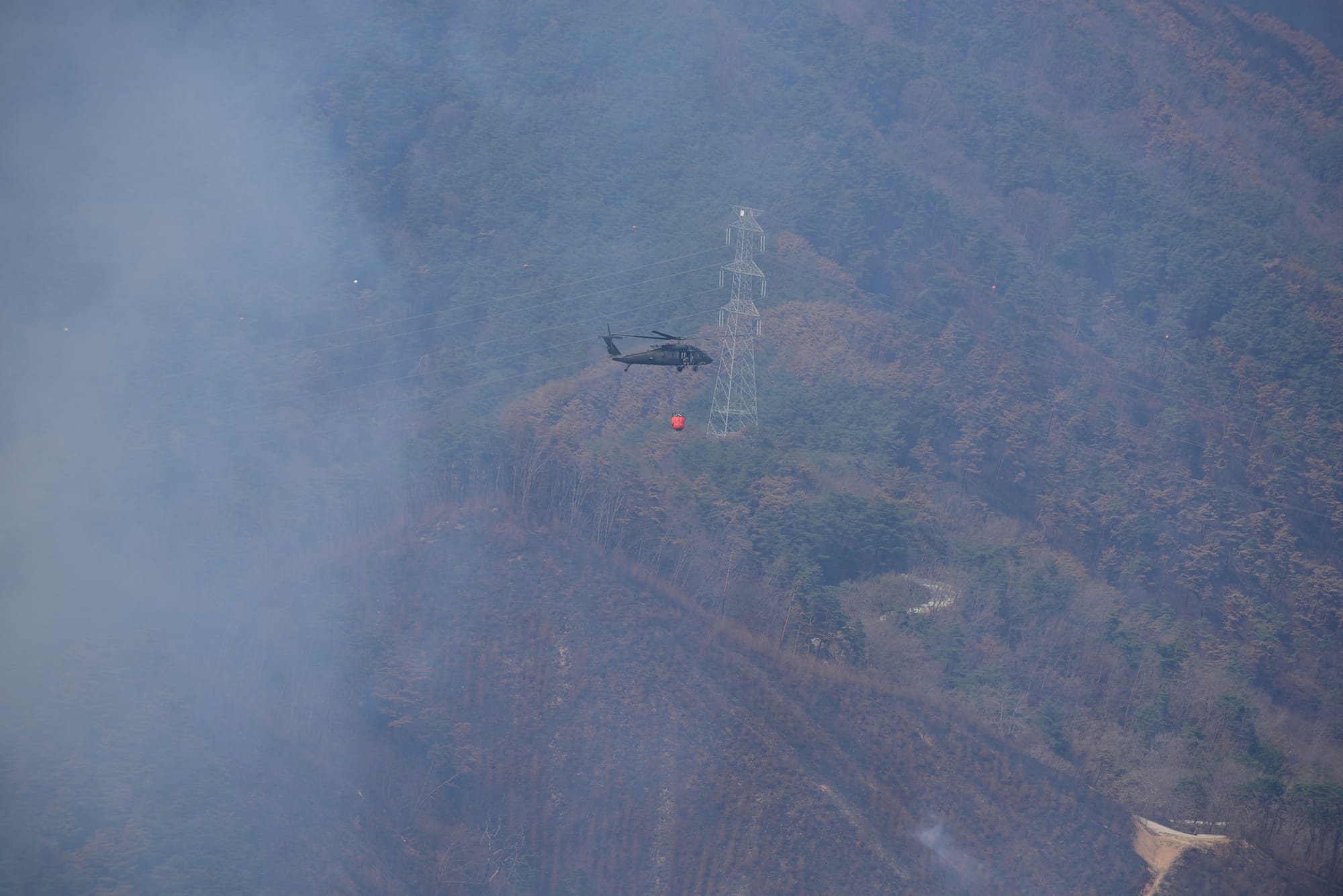
Air quality on the Korean peninsula is forecast to deteriorate as wildfires abroad send smoke southward and stagnant air traps particulates near the surface. Officials expect fine-dust levels to be “bad” in the Seoul metropolitan area, Gangwon’s Yeongseo region, and parts of Chungcheong and Honam through much of the week.
Starting at 6:00 a.m., ultrafine-dust emergency reduction measures will be implemented in the Seoul metropolitan area and in South Chungcheong Province. Forecasters say high levels of PM2.5 could persist through midweek, prompting health advisories for vulnerable groups and measures aimed at reducing emissions.

The weather pattern will be mostly clear during the day, but skies will turn cloudy by night. Dense fog is expected across inland Chungcheong and Honam early in the morning. The combination of dust and fog will reduce visibility on the commute in many areas.
Morning temperatures will feel chilly, with subzero conditions in parts of the morning hours. Daytime temperatures, however, will rise quickly under strong sunlight, producing a wide daily temperature swing that can catch people off guard. Wearing easy-to-remove layers is advised to manage temperature changes.
Regional temperatures provide a sense of the day: Seoul is forecast to start around 2°C and climb to about 15°C; Gwangju around 3°C rising to 18°C; Daegu near 4°C rising to about 18°C. Fahrenheit equivalents roughly range from the mid-30s to the upper 60s.
By next Wednesday, most regions are expected to see spring rain, which could help clear some of the haze. Until then, daily temperature differences may remain large, affecting outdoor activities and travel plans.
Why this matters beyond Korea: air-quality events tied to distant wildfires underscore how climate-driven fires can have cross-border impacts that resonate with U.S. readers. Poor air quality can affect outdoor work and health costs in supply chains and manufacturing, influence energy use and weather-related demand, and highlight shared concerns over environmental policy, regional cooperation, and resilience in global markets. The episode emphasizes why monitoring regional air quality, emissions controls, and wildfire management remains pertinent for businesses and policymakers with ties to Korea and the United States.