South Korea's Parliament Clashes Over COVID Vaccine Audit; Session Ends After 19 Minutes
In Seoul’s Yeouido district, the National Assembly’s Legislation and Judiciary Committee held its second plenary session of the 433rd term on March 16 to discuss the Board of Audit and Inspection’s COVID-19 vaccine response audit. The meeting opened without an agenda after demands from the main opposition and was adjourned 19 minutes later.
The session highlighted a clash between the ruling party and the opposition over whether urgent questioning was warranted. The opposition, including Na Kyung-won, the party’s whip-in-waiting, urged the committee to convene for an immediate interpellation to probe the audit findings, calling the session a “empty” meeting if held without questions.
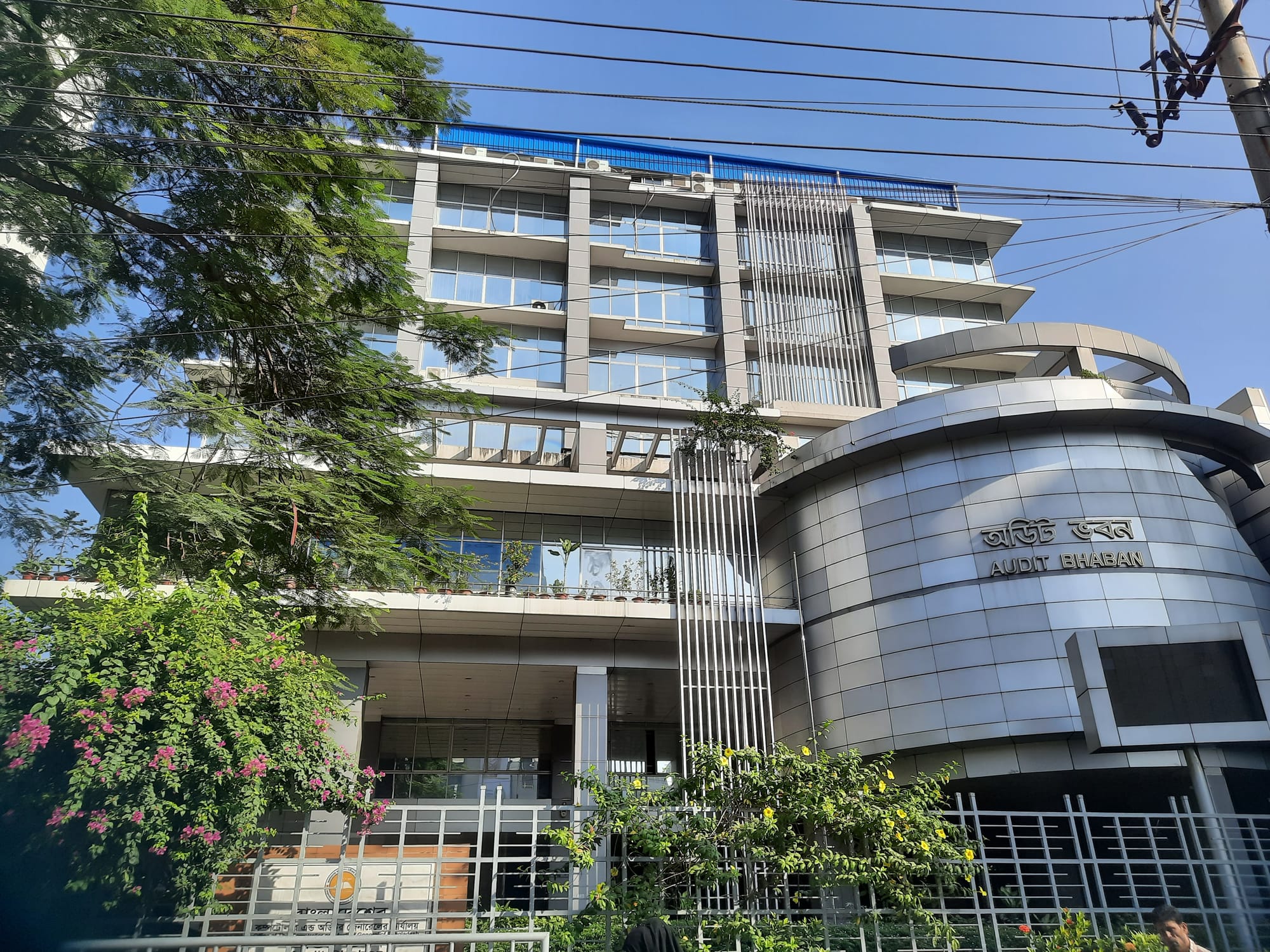
The Board of Audit and Inspection’s report, released on February 23, detailed COVID-era vaccine administration problems, including incomplete foreign-substance reporting. It found that about 14.2 million vaccine doses continued to be administered despite these issues, and roughly 43 million doses had the same manufacturing lot numbers as those with foreign substances.

The opposition pressed for an urgent inquiry, arguing that the pandemic’s impacts must be addressed. They cited more than 2,000 deaths and around 380,000 adverse-reaction reports linked to COVID-19 vaccines, and urged summoning the audit body to explain the findings in detail.
The ruling party pushed back, saying the COVID-19 vaccine issue had already been examined by the Health and Welfare Committee and that it was not suitable for the Legislation and Judiciary Committee to reexamine. DP member Kim Yong-min said questions should be directed to the health committee rather than the law-and-justice panel.
The opposition also raised allegations of a potential “deal” involving the dropping of charges against President Lee Jae-myung, arguing it should be addressed in current affairs questions. Chair Choo Mi-ae dismissed the allegations as baseless political rhetoric and emphasized that the committee would not entertain unfounded claims.
Choo Mi-ae noted that if the discussion centers on the vaccine issue, lawmakers should reference the Health and Welfare Committee’s prior inquiries, and if there are concerns about the audit’s process or methods, those could be raised with the Legislation and Judiciary Committee. The session effectively ended without formal agenda items being debated.
For U.S. readers, the episode matters because it underscores how parliamentary oversight of public health, vaccine safety, and pandemic-response governance plays out in a close bilateral ally. Democratic governance practices in Korea—such as how audits are scrutinized, how committees divide responsibility, and how political disputes intersect with public health data—can influence policy coordination, procurement decisions, and transparency standards that affect U.S.-Korean health collaborations, supply chains, and market confidence.