Trump urges NATO members to contribute to securing Hormuz Strait
President Donald Trump used a White House event and a subsequent Financial Times interview to press NATO allies to contribute naval and other support to secure the Hormuz Strait, a critical conduit for global energy shipments. He framed the issue as a test of alliance solidarity, saying partners that benefit from flows through Hormuz have a duty to help prevent disruption.
Trump argued that NATO’s future could be jeopardized if members do not cooperate, noting that the alliance did not owe assistance in the Ukraine crisis but that it had acted generously and should now demonstrate willingness to help in the Hormuz context. He said it would be telling whether allies would step up to assist the United States.
During his remarks, he specified what he seeks: mine-clearing ships and personnel to remove threats in the region, and units that could address what he described as “villains” along the Iranian coast. The Financial Times interpreted his comments as a call for European special forces to aid in neutralizing drones and mines, though Trump did not spell out precise missions.
Trump asserted that countries benefiting from safe Hormuz transit should be on scene to patrol and secure the strait, and he reiterated that the United States would help, but require on-the-ground participation from allies. He presented the issue as a shared responsibility rather than a unilateral burden.
So far, Britain and France have offered cautious, non-committal responses, sticking to principled positions rather than pledges of concrete action. The two countries have historically supported maritime security efforts but have been careful in signaling new deployments.
The president also told reporters that China, which he said relies heavily on Hormuz for oil, should contribute as well. He referenced an upcoming U.S.–China summit with President Xi Jinping and suggested the possibility of delaying a planned trip to China to monitor developments, noting a high-level U.S.–China meeting in Paris to coordinate the summit agenda.
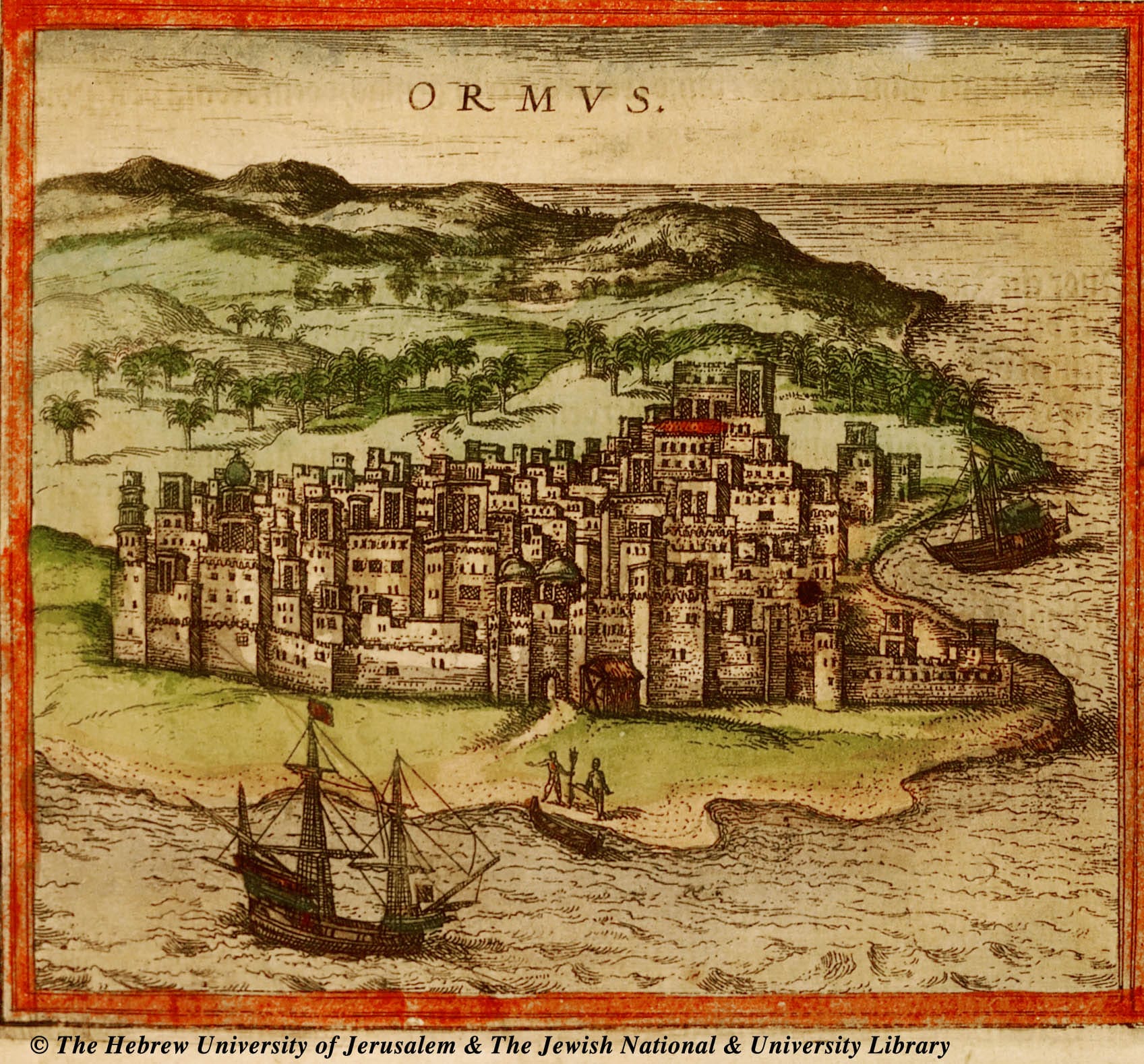
Context for U.S. readers: the Hormuz Strait lies between Iran and the Arabian Peninsula and serves as a chokepoint through which a large share of the world’s oil passes. Washington has long linked secure maritime access in the region to global energy stability and to alliance credibility. Trump’s call for broader involvement by NATO members and China highlights ongoing debates over burden-sharing, alliance cohesion, and the balance of economic interests with security commitments in international affairs.