South Korea weighs narrowing basic pension couple deduction amid aging population.
South Korea’s president used social media to push for changes to the Basic Pension, arguing that adjusting the so-called “couple deduction” could ease elderly poverty. In a post on X, President Lee Jae-myung cited a government plan to gradually reduce the deduction for low-income elderly couples, starting in 2027, and asked for public input on the idea.
Under the current rule, when a household headed by a couple in the bottom 70% of income receives the Basic Pension, each spouse’s pension payment is reduced by 20%. The government has proposed narrowing the scope: for elderly couples in the bottom 40% of income, the deduction would fall to 15% by 2027 and to 10% by 2030.

There is also a legislative push to eliminate the couple deduction altogether. A bill under discussion in the National Assembly would phase out the deduction: a 10% rate in 2026, 5% in 2027, and full abolition in 2028.
The plan was framed in a briefing to the National Assembly’s Health and Welfare Committee on October 10, in which the Ministry of Health and Welfare outlined steps to strengthen pension guarantees in Korea’s aging society. The briefing reviewed how the basic pension system could better secure stable older-age living as the population continues to age.
Proponents argue the current deduction adds to the hardship facing low-income elderly couples, and some critics say it discourages marriages or encourages financial arrangements aimed at avoiding benefits. The president’s comments emphasized that fiscal constraints should be addressed and that reducing elderly poverty could also help curb extreme outcomes, including suicide linked to poverty.
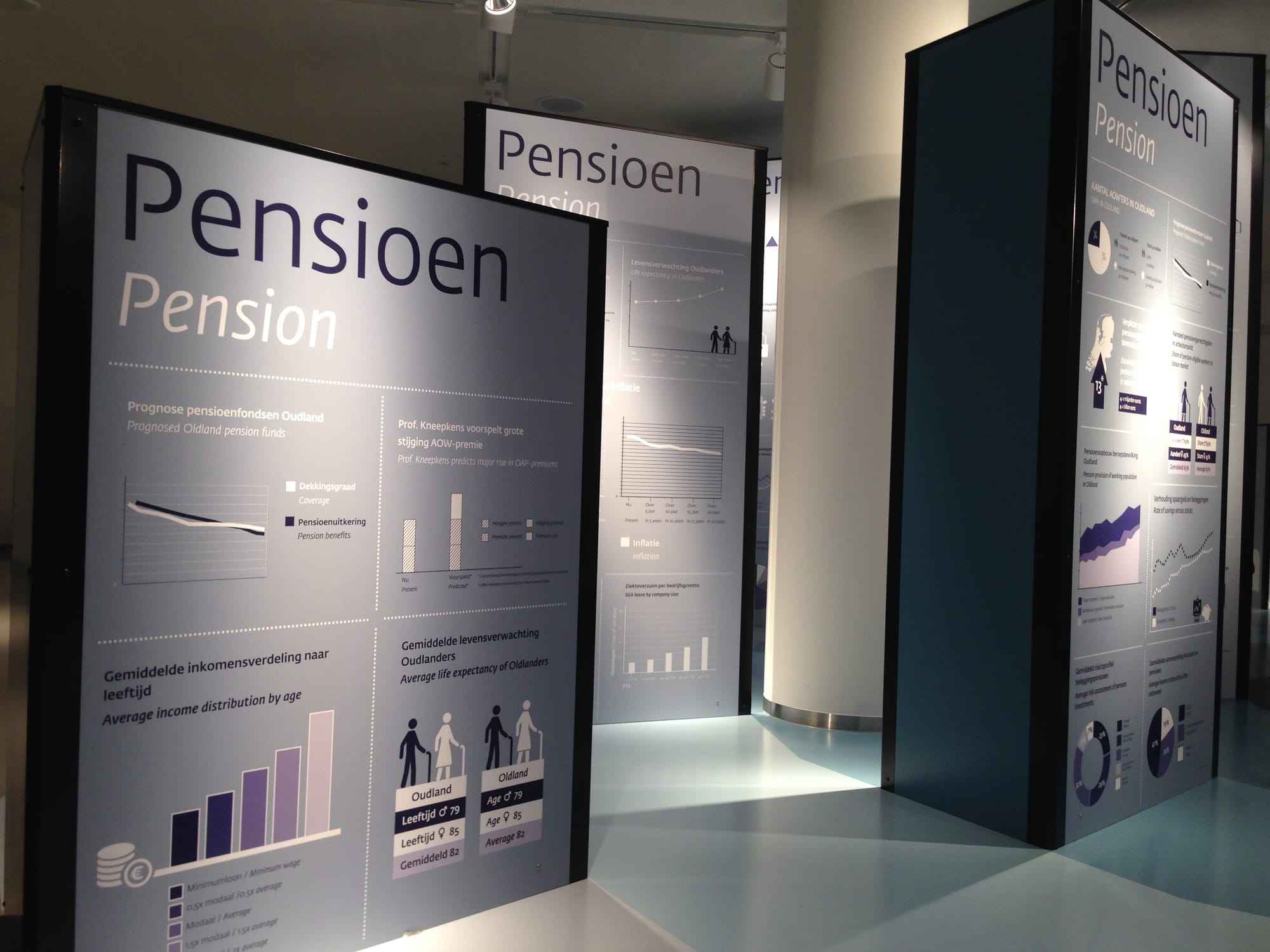
For international readers, this reflects how Korea is balancing a rapidly aging population with fiscal sustainability and social welfare. Decisions about pension generosity and targeting affect consumer spending, tax policy, and government debt dynamics, with potential implications for markets, pension funds, and U.S.-Korea economic ties.
While no final policy has been decided, the government is seeking public input as it weighs reforms to the Basic Pension and its protections for older Koreans. The outcome could influence Korea’s social safety net, and by extension, the stability of long-running U.S.-Korea economic and security partnerships.