Seoul's Han River Bus Project Audited for Overstated Speeds and Flawed Costs
Seoul’s Han River Bus project and the Yeouido Pier development ran into questions of speed, cost and oversight after a national audit found the city proceeded with plans despite knowing the ships would likely fall short of the stated speeds.
The Board of Audit and Inspection (BAI) released its report on March 16, tied to a parliamentary request over the Han River Bus and Yeouido Pier project. The audit concluded that the ships’ anticipated operating speed was only 14.5 to 15.6 knots, yet Seoul publicly announced a speed of 17 knots and used that figure to shape operating plans and timetables. The mileage-time assumptions would have made it difficult for 12 vessels to meet the published fast-service time of 54 minutes or the standard service time of 75 minutes.
Because the planned speeds could not realistically be achieved, the BAI warned there is a real risk the project will not meet its primary objective of improving commuting convenience for citizens who would use the river-transit system.

The audit also found procedural shortcomings in how the project’s total cost was calculated. Seoul’s Future Han River Headquarters reportedly calculated the total project cost using only the city-financed portion, while accepting a broader set of benefits and costs from a Seoul National University analysis that included upper-facility and ship-operation benefits not treated as costs. The BAI said this violated applicable rules and that the miscalculation meant that central government checks—such as the Ministry of the Interior and Safety’s central investment review and specialized feasibility studies—were omitted. As a result, certain administrative reviews could not be deemed legally valid.
On procurement fairness, the BAI said it did not find evidence that the contract awarding process for the shipbuilding or the Yeouido Pier operator conferred undue advantages on a particular contractor. It noted that the contract terms and the bidding process did not, in itself, amount to improper favoritism.
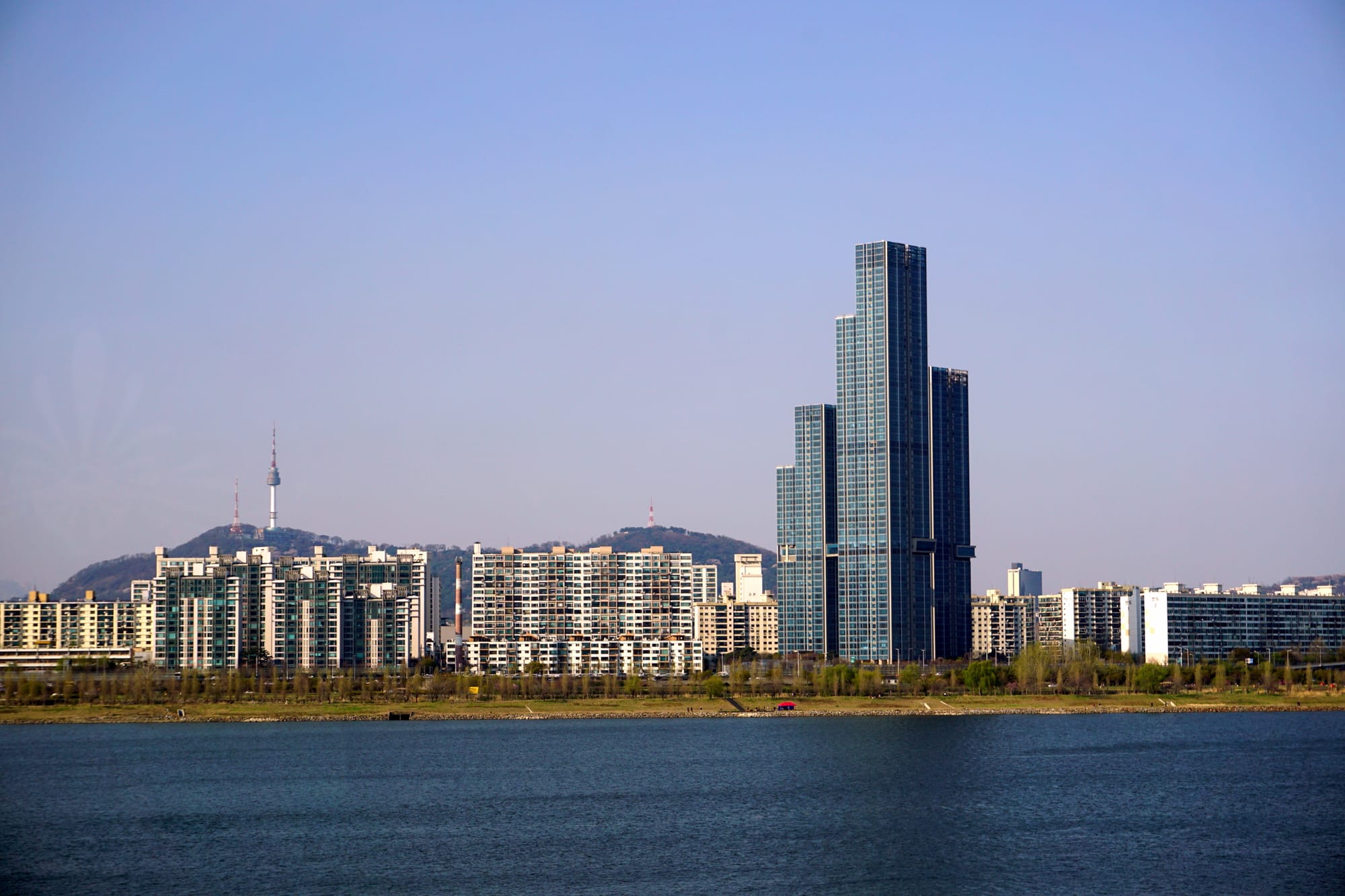
Seoul City accepted the audit findings and said it would implement the recommended improvements. The city argued that determining ship speeds at the project’s outset was difficult and only became verifiable after delivery of the vessels last year. It also said that excluding shipbuilding costs in the total project cost was a consequence of applying precedents from other domestic water-transport projects, where such costs were not treated as capital expenditure; the audit, however, stated that construction costs should be included under local fiscal regulations.
Park Jin-Young, head of Seoul’s Future Han River Headquarters, pledged rapid and thorough corrective actions, stressing that all steps would be conducted in accordance with laws and standards and that information would be shared transparently to bolster public trust.
Why this matters beyond Korea: the case highlights how large-scale urban infrastructure projects rely on accurate performance forecasts, rigorous cost accounting, and independent oversight. For international investors and firms active in public-private partnerships, it underscores the risks of misreported project metrics and the potential erosion of confidence when central reviews are missed or poorly aligned with local accounting practices. The outcome may influence how similar river or waterfront transit initiatives are evaluated and funded in other markets, including those in the United States, where infrastructure programs increasingly depend on robust due diligence, transparent reporting, and clear performance guarantees to protect public budgets and maintain investor trust.