South Korea weighs expanding Cheonghae Unit to Hormuz with National Assembly approval
President Donald Trump, speaking on the 14th, publicly urged five nations—South Korea, China, Japan, the United Kingdom, and France—to dispatch naval ships to the Strait of Hormuz to deter threats in the area. South Korea’s Cheongho Unit, known for counter-piracy duties, is currently deployed in the Gulf of Aden near Somalia, about three to four days’ sail from Hormuz.
South Korea’s government says it will review the request with caution and has not yet received an official offer to deploy. Officials say the government will monitor the intentions and actions of the other mentioned countries as it weighs its next steps.
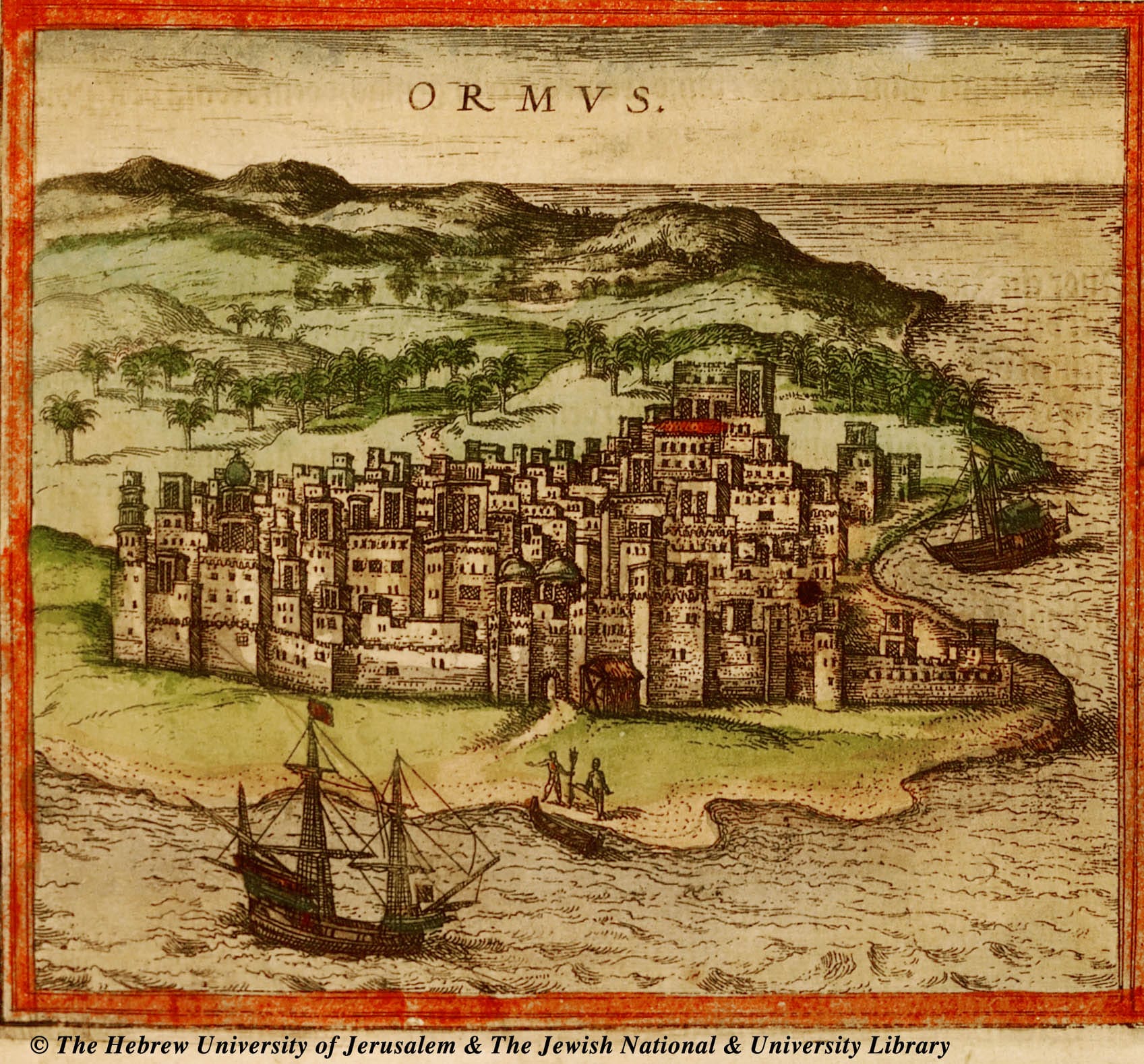
Under South Korea’s current plan, the Cheonghae Unit’s mission area is defined as the Gulf of Aden. Expanding operations to Hormuz would require a new authorization from the National Assembly, and some lawmakers say the existing agreement would need to be revised to broaden its scope beyond the Aden region.
The Cheonghae Unit has a history of responding to U.S. requests during heightened tensions in the region, including a deployment during the Trump administration. If ordered to Hormuz, it would likely be the unit’s most significant expansion of its operating theater to date.
Spain has recently been cited in the broader U.S. context of pressure over allied cooperation, with President Trump threatening the possibility of halting trade as a lever in foreign policy. The current discussion around Korea’s potential deployment is situated within this wider dynamic of U.S.-led security and economic diplomacy.
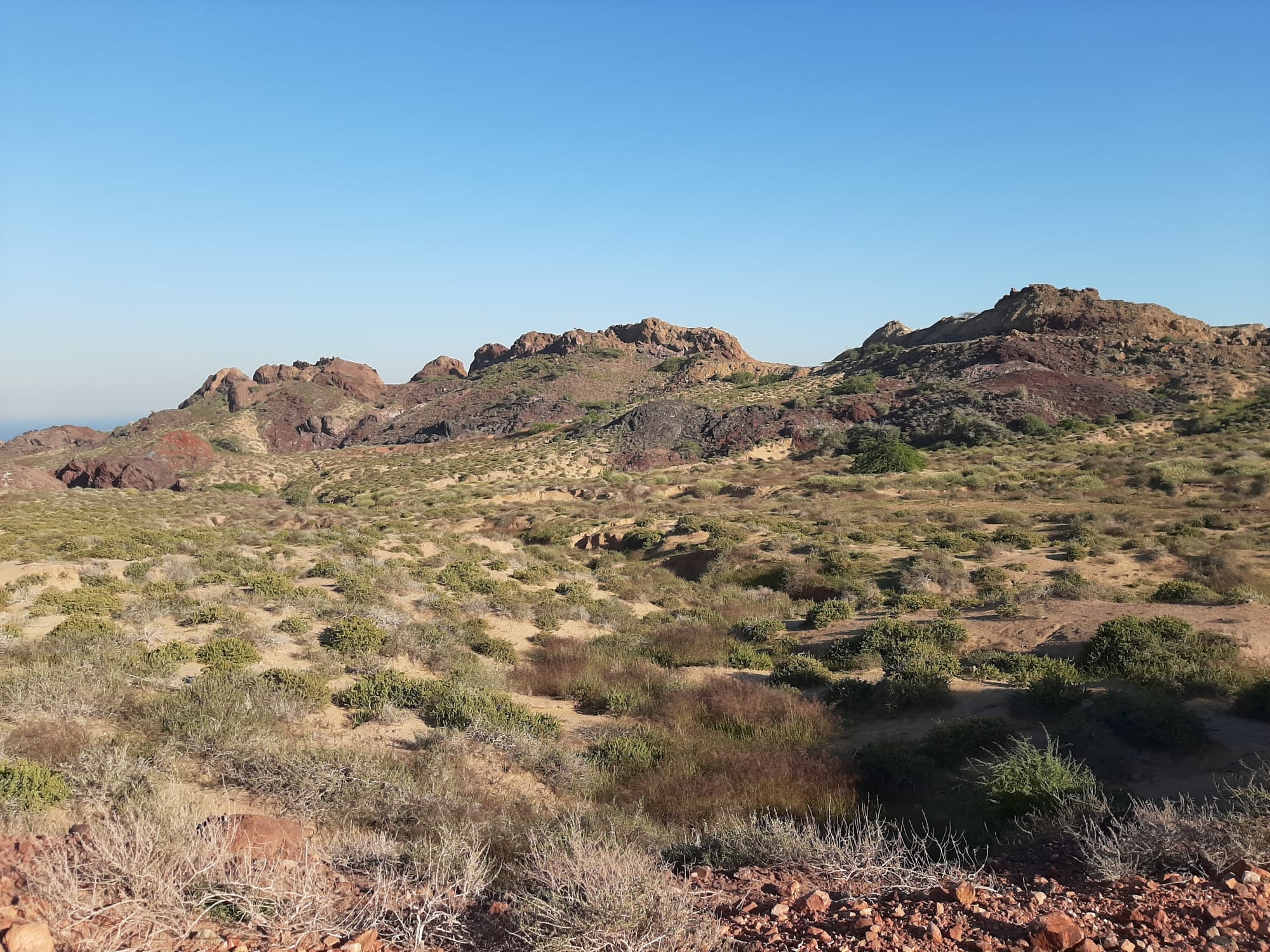
For U.S. readers, the issue matters because Hormuz remains a strategic chokepoint where a large share of global oil and other maritime trade passes. A Korean deployment to Hormuz would reflect ongoing alliance commitments and could influence regional security, supply chains, and energy markets that reverberate beyond Korea and into American energy security and defense planning.
Context for non-Korean readers: Hormuz sits at the mouth of the Persian Gulf, linking the Gulf to the open ocean, and the Cheonghae Unit is a Republic of Korea Navy task force deployed overseas primarily for anti-piracy and maritime security. The National Assembly in Seoul must approve changes to mission scope or area, which adds a potential delay or constraint to any rapid transfer of operations.