Jangseokgak Hosts Woljoongdo Exhibit on Prince Danjong’s Exile in Yeongwol
Jangseokgak, the royal archive under Korea’s Korean Studies Institute, will mount a special public display of Woljoongdo, an eight-panel illustrated album created around 1791 that traces the exile sites of Crown Prince Danjong and the loyalty of his courtiers. The exhibition runs from the 16th of this month through the end of June.
The eight-panel Woljoongdo presents detailed depictions of Danjong’s exile landscape, including his tomb at Jangneung and locations Cheongnyeongpo, Gwanpungheon, and Jakyuru. It also features the Changjeolsa shrine, which houses the tablets of loyalists known as the Sahyeoksin, as well as Minchungsa and Yeongwol’s own maps (Eupchi-do and Yeongwoldo) tied to Danjong’s history.
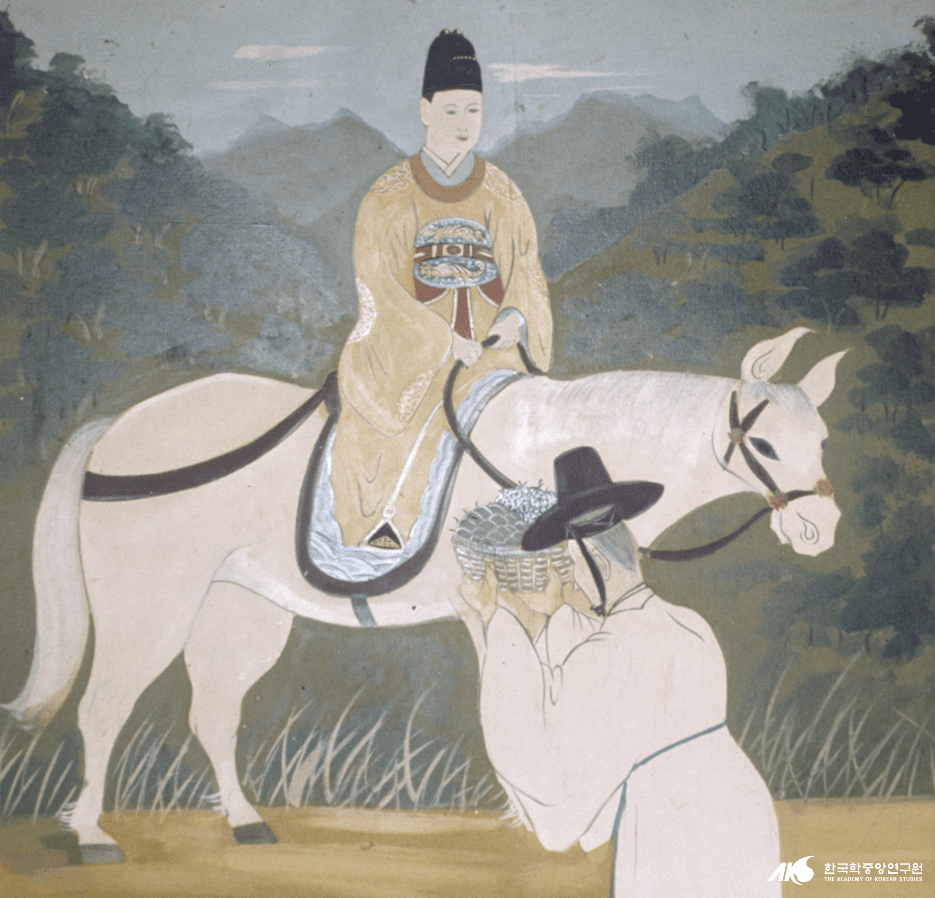
This is not merely a historical painting; it is a documentary record of how the Joseon royal family remembered Danjong’s tragedy and how Yeongwol’s royal sites were maintained in the era of Yeongjo and Jeongjo. The work visually documents state efforts to honor the king’s memory and sustain relics associated with his exile.
A Korean Studies Institute official notes that while the film about Danjong has dramatized his story for contemporary audiences, Woljoongdo provides an opportunity to examine authentic places and people behind the history, offering insight into Joseon-era record-keeping and commemorative culture.
The exhibit aligns with a renewed public interest sparked by the film The Man Who Lives with the King, which has drawn domestic and international visitors to Yeongwol to explore Danjong’s story and related royal sites. The display aims to connect cinema-driven curiosity with archival material and on-site history.
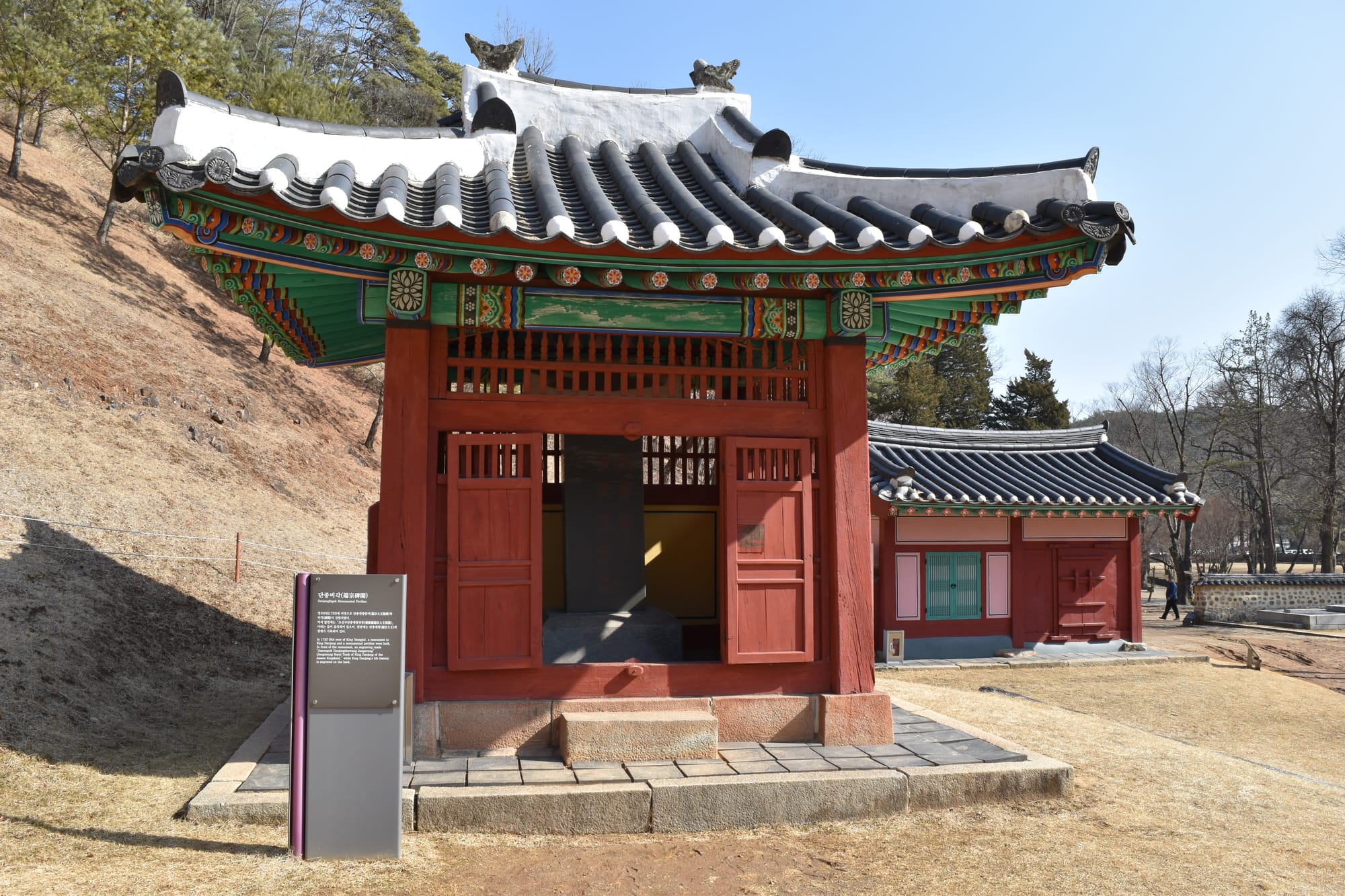
Yeongwol, the site of Danjong’s exile and burial, sits in Gangwon Province and is a focal point for royal history tourism in Korea. The Woljoongdo exhibit helps explain how a single artwork can bridge scholarly archives, popular storytelling, and cultural heritage sites for visitors from around the world.
For U.S. readers, the display illustrates Korea’s approach to preserving and interpreting its royal past through museums, archives, and film-inspired outreach. It highlights how cultural heritage and history can become soft-power assets, potentially informing international collaborations, academic research, and travel interest that connects Korean history with broader global audiences.