South Korea faces dry weekend, temperature swings, and poor air quality
A dry weekend and public holidays are forecast for South Korea, with no rain or snow expected. The main caveat for outdoor plans is a widening gap between daytime and nighttime temperatures, requiring layering for comfort.
Today, Saturday, Seoul is expected to reach a daytime high of about 12°C. Nearby, Chuncheon and Gangneung should see around 13°C, while Daegu and Changwon could top out near 15°C.
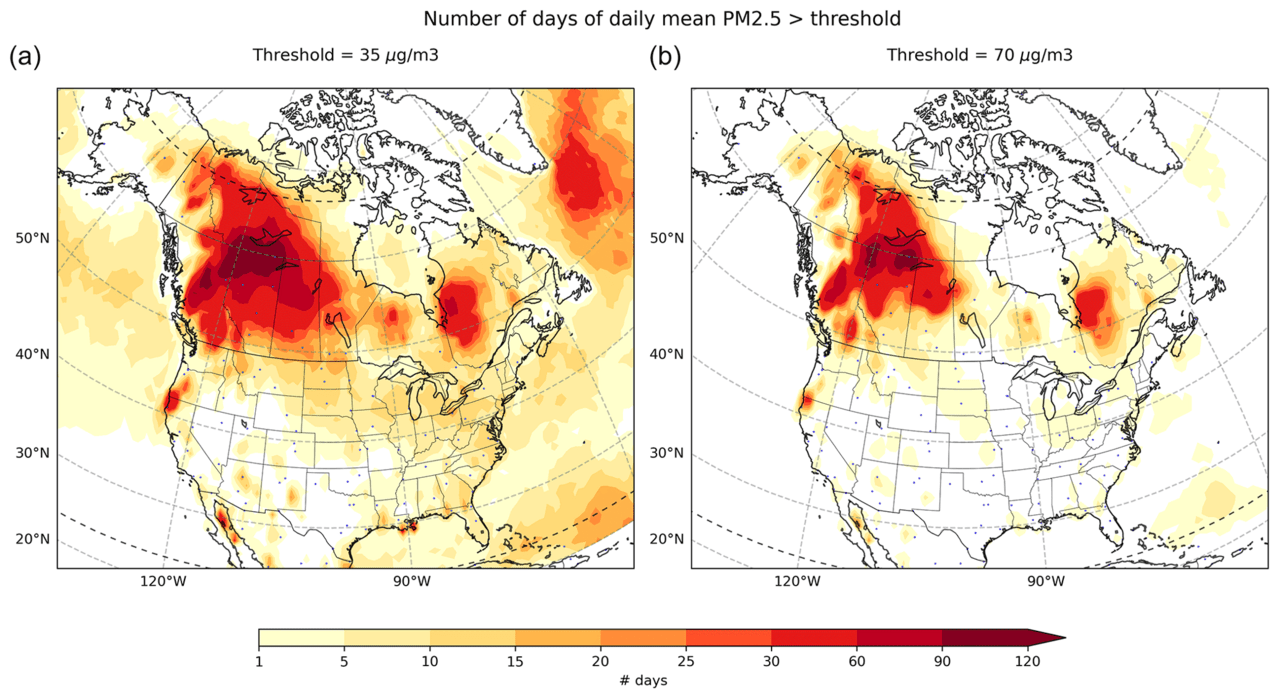
Air quality is expected to deteriorate. Starting tomorrow morning, overseas fine dust is anticipated to enter the atmosphere, and by the afternoon air quality could be poor in most areas.
The central region is expected to experience occasional cloudiness, while the southern regions are likely to remain generally clear. Strong swells are forecast along the East Sea coast and the Jeju coastline, so coastal safety precautions are advised for beachgoers and maritime traffic.
Looking ahead, a significant day-to-night temperature difference will persist for the near term. Next Wednesday, rain is forecast for Chungcheong, the southern regions, and Jeju.
Why this matters beyond Korea: For U.S. readers, the forecast highlights how weather and air quality conditions in a major manufacturing and shipping hub can ripple through global supply chains. South Korea is a key producer of high-tech components and consumer electronics, and disruptions at its ports or in industrial activity can influence timelines for electronics, automotive supply chains, and related markets. Air quality episodes can affect cross-border travel and health considerations for travelers and workers connected to regional trade and tourism. Coastal swells also signal potential impacts on shipping schedules and coastal operations in a region that handles substantial Asia-Pacific maritime traffic.
Context for non-Korean readers: The Korea Meteorological Administration issues local forecasts used nationwide. Seoul is the capital and largest city; Chungcheong refers to the western central provinces, while Daegu and Changwon are major urban centers in the inland and southeastern regions, respectively. The East Sea (also known as the Sea of Japan) and Jeju are important geographic features influencing weather and tourism in the region.