South Korea weighs joining U.S.-led mission to secure Hormuz Strait
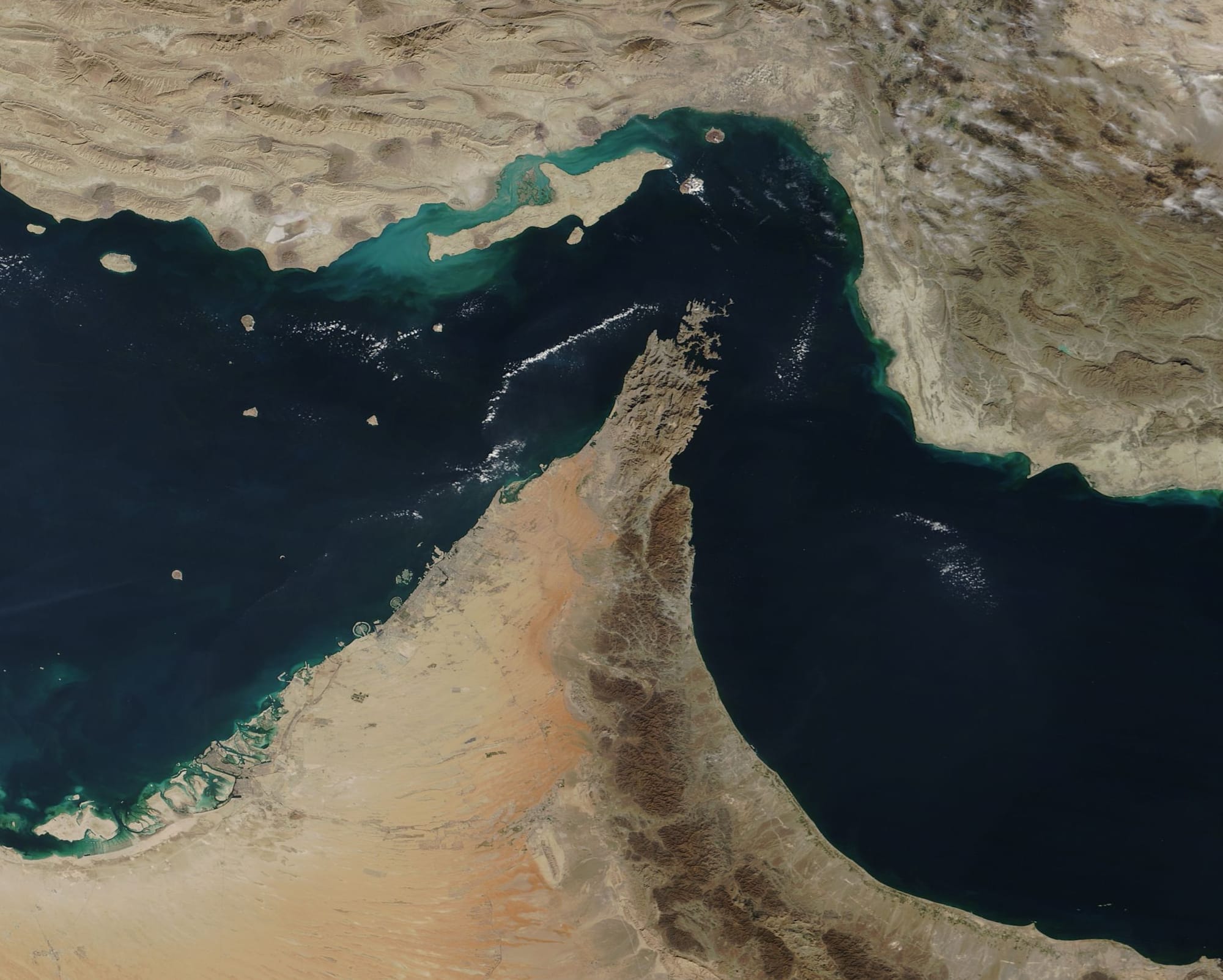
President Donald Trump on March 13 called for ships from five countries, including South Korea, to be dispatched to help ensure safety in the Strait of Hormuz. The Blue House and Korea’s Defense Ministry are reviewing the idea, but officials say it would not automatically count as Korea entering a war.
In a Truth Social post on March 14, Trump named Korea, Japan, China, the United Kingdom, and France as potential contributors. He added that, hopefully, many allied countries would cooperate with the United States to keep the Hormuz Strait open in the face of Iran’s actions.

The issue arrives amid soaring oil prices tied to Iran’s attempts to blockade Hormuz, a key artery for global crude shipments. Washington and its allies warn that a prolonged disruption could destabilize energy markets and broader security in the region.
The Blue House said it would proceed with careful deliberation, noting that Korean-flag ships are already in the Hormuz area. Officials emphasise that any deployment would be scrutinized to determine whether it would constitute participation in hostilities or be framed as an escort mission.
Government officials have not ruled out other allied countries joining beyond the five named by Trump. A senior Blue House official said the five countries were not necessarily exclusive, leaving room for a broader coalition.
If Korea were to dispatch ships, it would likely be under a joint operations framework. The government suggested the South Korean Navy’s Cheonghae Unit—the escort task force known for protecting vessels in high-risk waters—would be the most probable group to carry out any mission, potentially in the Gulf of Aden. However, officials stressed that a solo operation by Cheonghae would be difficult in this scenario, and a coalition approach would be required.
The Cheonghae Unit has previously carried out independent escort missions in the Hormuz area during elevated tensions in 2020. This time, officials indicate, the risk of a broader confrontation makes independent action unlikely, with a multinational command and control structure likely required. The U.S. has not publicly requested Korea to participate in such a mission.