U.S. escalates pressure on Iran as Hormuz tensions rise and oil prices climb
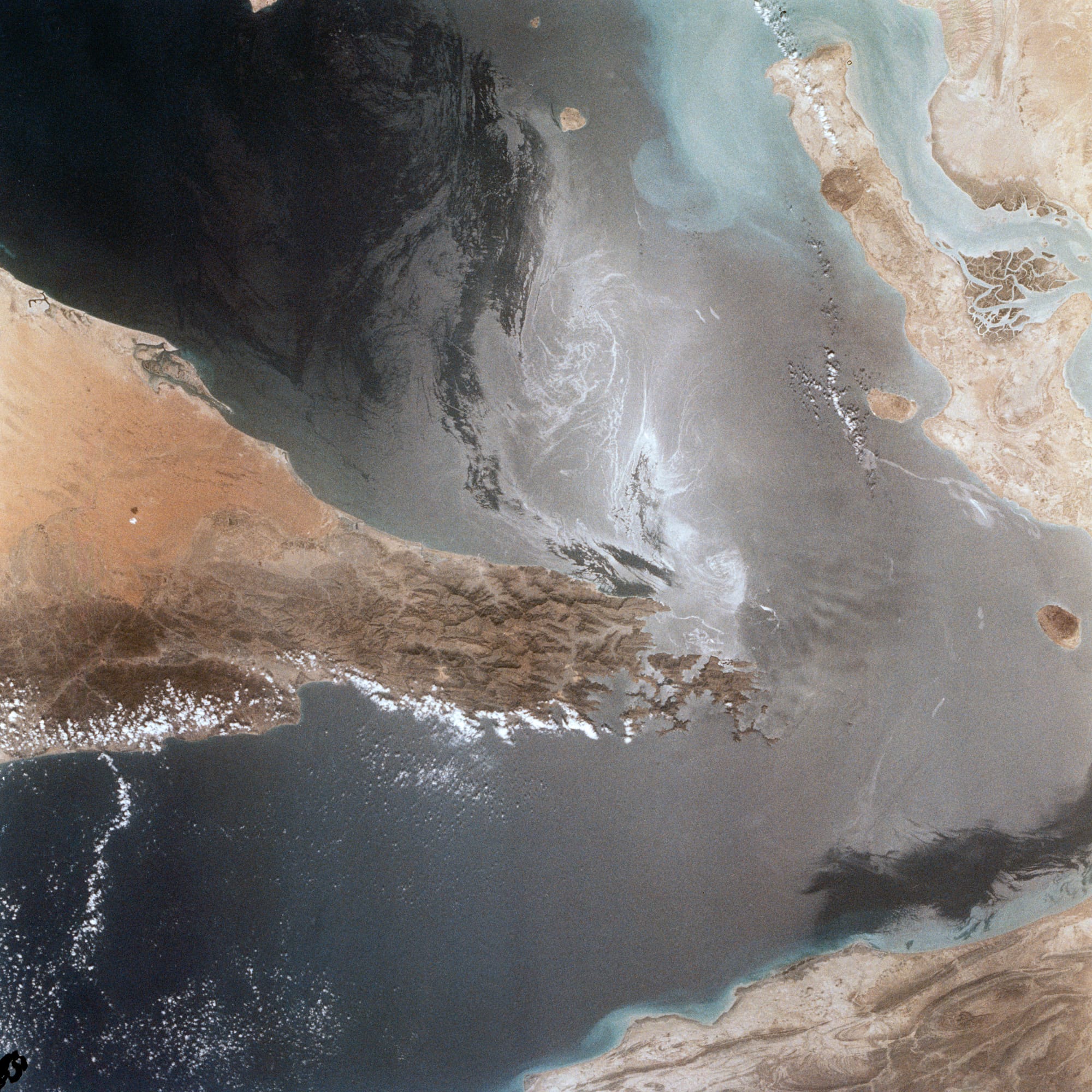
Washington is watching a volatile clash with Iran unfold in unusually assertive terms from U.S. officials and allies. President Donald Trump, in an interview with Fox News Radio, warned that next week would see a very strong U.S. strike on Iran, and hinted that while war could end “sooner than you think,” it might be drawn out for a period of time. He also left open the possibility of U.S. naval escorts for ships passing through the Hormuz Strait if needed, though he said Washington would monitor the situation first.
In parallel briefings, Defense Secretary Hagseth and top military leaders signaled intensified operations. Hagseth said Iran would see more air and ground strikes than usual in the coming hours, while Chairman of the Joint Chiefs Gen. Dan Cane said the current actions aim to disrupt Iran’s naval and mine-laying capabilities and to protect commercial shipping from attack. The statements framed Iran as a central target in a broadening confrontation.
Hagseth also commented on the Iranian leadership, claiming the supreme leader Mosahta… actually Mojtaba Khamenei may be injured or disfigured, with his father dead and the leadership in disarray. He asserted Iran is in a state of confusion, and questioned who is effectively commanding the country. The official did not provide corroborating evidence, and U.S. officials have offered no public confirmation of any leadership change in Tehran.
Asked about whether Iran has mined the Hormuz Strait, Hagseth said there is no clear evidence to confirm that claim to date. Separately, the U.S. State Department reiterated a reward offer of up to $10 million for information leading to the location and fate of Iran’s senior leaders, including Mojtaba Khamenei, underscoring Washington’s intent to apply leverage beyond kinetic actions.
The confrontation has unsettled energy markets. Brent crude traded above $103 a barrel, marking a third day of gains and a roughly 42% increase since the last major Iran-related conflict raised prices. West Texas Intermediate rose to about $98.70 a barrel. Market nerves persisted even as the United States signaled it would ease some Russian oil restrictions to boost supply, a move traders viewed as insufficient to calm volatility.
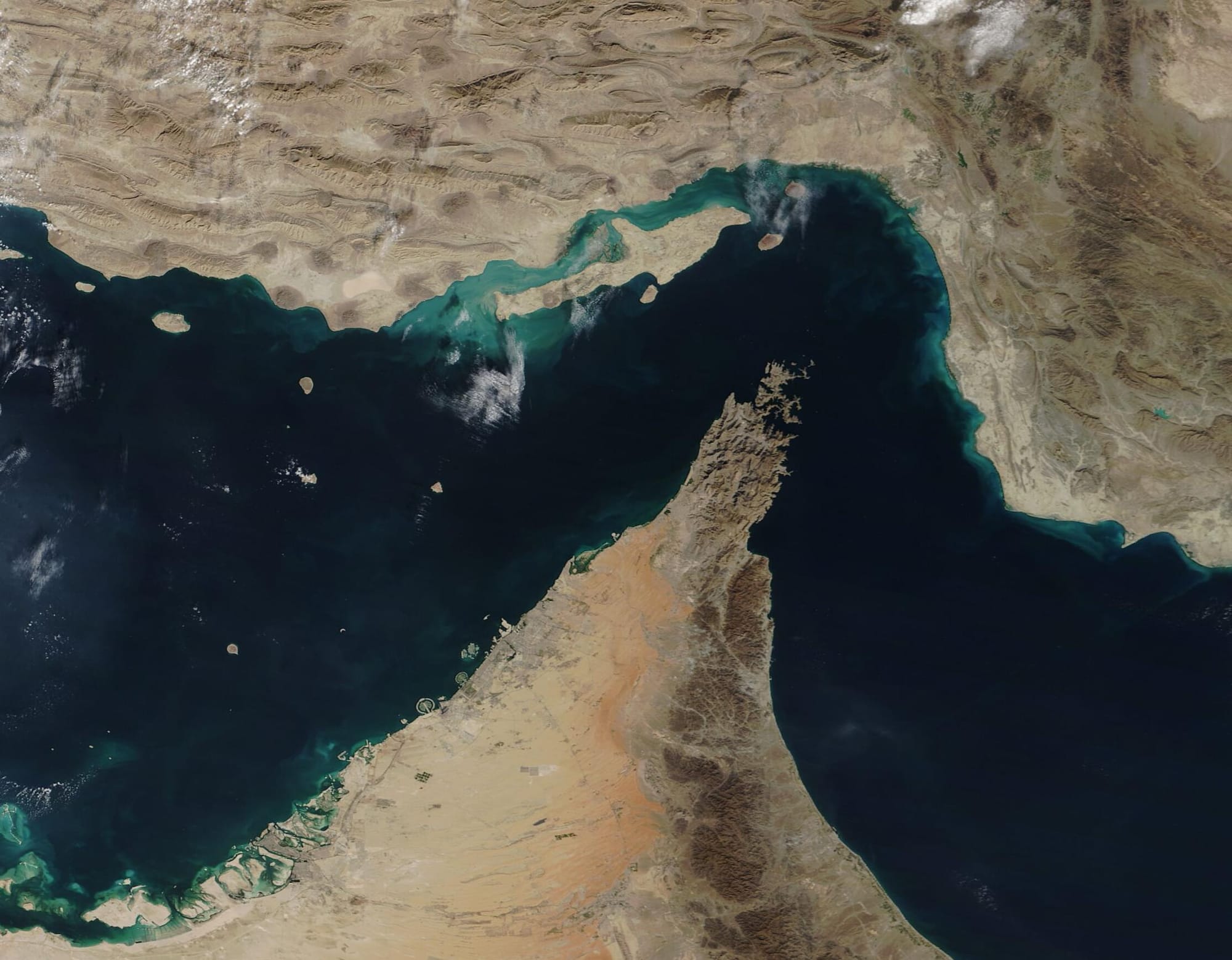
U.S. stock markets ended lower as investors weighed the risk of broader conflict and continued supply concerns. The developments come as global buyers monitor potential disruptions to the critical Hormuz Strait, a chokepoint through which a substantial share of the world’s oil passes.
For U.S. readers, the stakes go beyond regional security. A widening Iran confrontation could influence global energy prices, the reliability of oil and refined products, and the stability of supply chains in manufacturing, transportation, and technology sectors. Washington’s policy choices, including potential temporary waivers of the Jones Act to ease domestic fuel shipments and the use of sanctions or bounties to deter leadership activity, could shape oil markets and investor sentiment in the near term. The situation also underscores how aligned or divergent U.S. and allied strategic goals are with ongoing efforts to deter Iranian escalation while avoiding a broader regional war.