North Korea displays 600mm rocket system with potential tactical nuclear capability; Kim watches.
North Korea’s state media reported that Kim Jong Un attended a 600mm ultra-precision long-range rocket artillery drill on the 14th, involving 12 launch tubes and two artillery battalions. The event was conducted by a unit described as the Western Front long-range artillery detachment, and Kim was accompanied by his daughter, Kim Ju-ae.
KCNA quoted Kim saying the drill’s purpose was simply to “let the army do its job,” adding that the exercise would unsettIe enemies within a 420-kilometer range and help deepen understanding of the destructive power of tactical nuclear weapons.
Observers interpreted the emphasis on a 420-km range as signaling a capability directed at targets in the region, including South Korea, though North Korea did not specify targets by name. The report also asserted the system can carry a tactical nuclear warhead known as Hwasan-31.
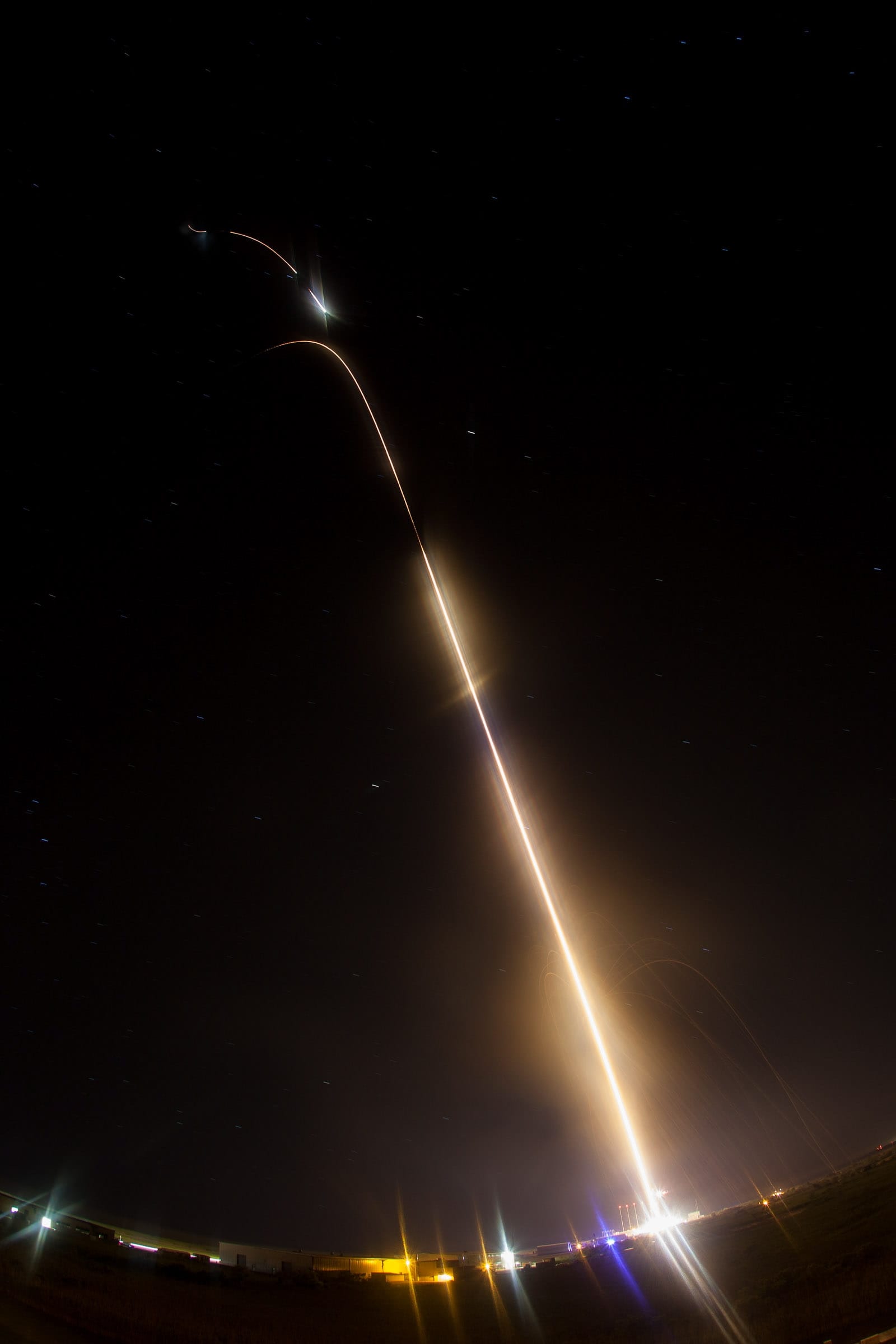
The agency released photographs showing 12 rocket tubes firing in sequence and depicted Kim watching the launches, with Ju-ae seen nearby being briefed during the event. The report framed the moment as a success of performance and a demonstration of the weapon’s potential.
The weapon is thought to be a newly unveiled 600mm large-diameter rocket system that North Korea unveiled at a ceremony last month. The barrel reportedly bore markings indicating a particular unit.
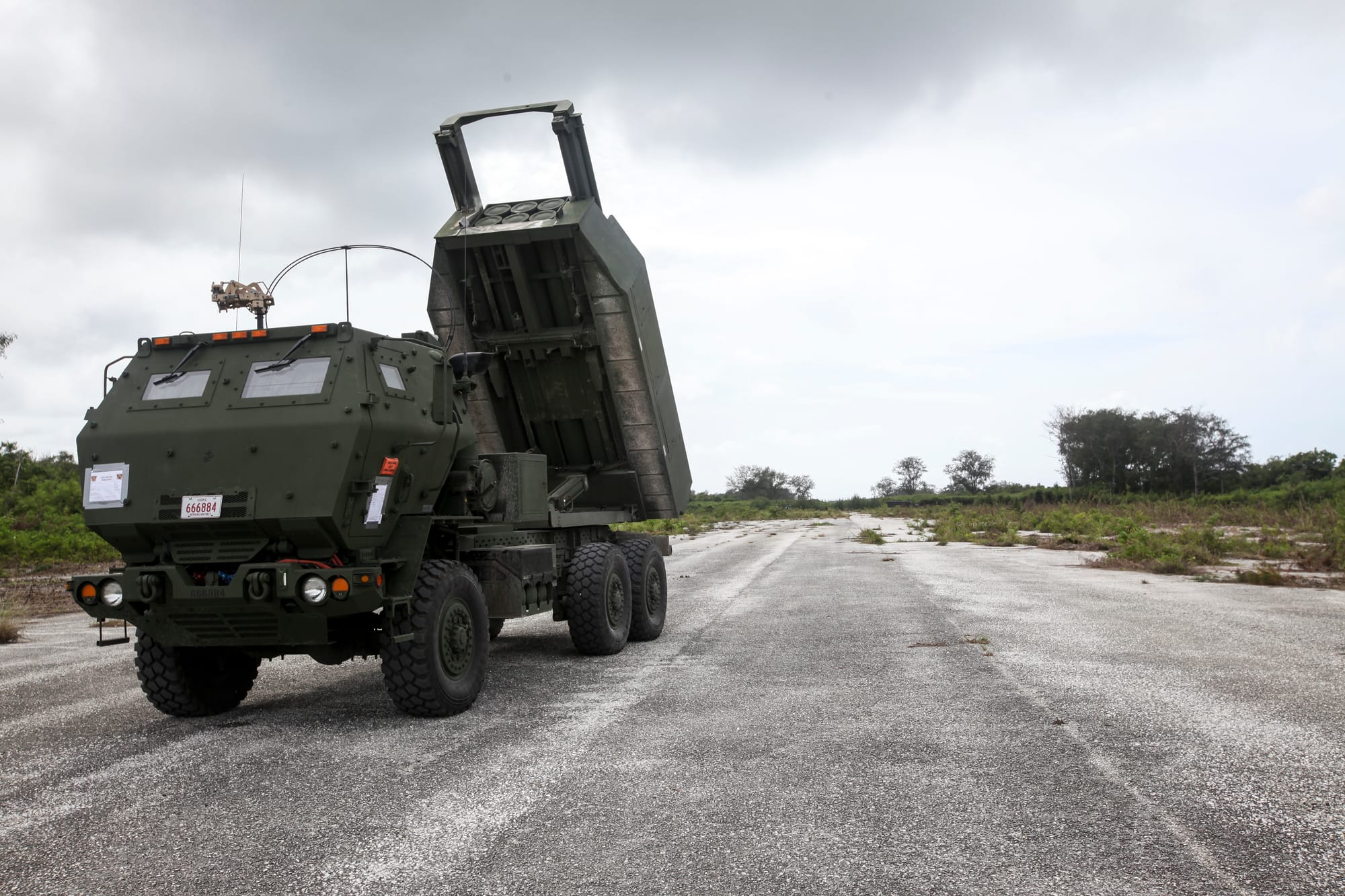
Analysts cited by Korean security outlets noted that describing the force as two battalions could imply a six-tube-per-battalion arrangement and that the system may already be in a form of operational deployment. In a separate statement, South Korea’s Joint Chiefs of Staff said about 10 ballistic missiles were fired toward the East Sea from the Sunan area around 1:20 p.m. the previous day, describing the event as a provocation.
The reported provocation followed a period in which U.S. and South Korean sources discussed dialogue and diplomacy, with the report noting it occurred after what it described as a signal of willingness by U.S. President Donald Trump to engage with Kim Jong Un. Some analysts also view the move as a response to the ongoing U.S.-South Korea joint defense exercises, such as Freedom Shield.
Why this matters for the United States and global audiences: North Korea’s push to showcase and deploy a more capable conventional and potentially nuclear-capable rocket system raises regional security concerns for allies in Asia and for U.S. forces stationed on the Korean Peninsula. It affects U.S. extended deterrence commitments, regional stability, and the risk calculus around diplomacy, sanctions enforcement, and defense planning. The episode also intersects with global supply chains and markets by contributing to heightened risk in a region where many economies depend on security assurances and predictable trade flows.