DC judge voids grand jury subpoena targeting Powell in Federal Reserve probe
A federal judge in Washington, D.C., on March 13 voided a grand jury subpoena aimed at Federal Reserve Chair Jerome Powell as part of a criminal investigation led by the U.S. Attorney’s Office in D.C. The 27-page ruling by Judge James Boasberg criticized the prosecutors for using the criminal-justice system to punish political opponents or advance an agenda, and said there was no evidence Powell committed a crime beyond policy disagreements with President Trump.
The decision does not end the inquiry. Prosecutors said they would consider an appeal, but Boasberg’s ruling creates a serious hurdle to compelling Powell to testify or produce records. The ruling also risks delaying the Senate’s consideration of a Powell successor, a nomination that has drawn intense partisan scrutiny.
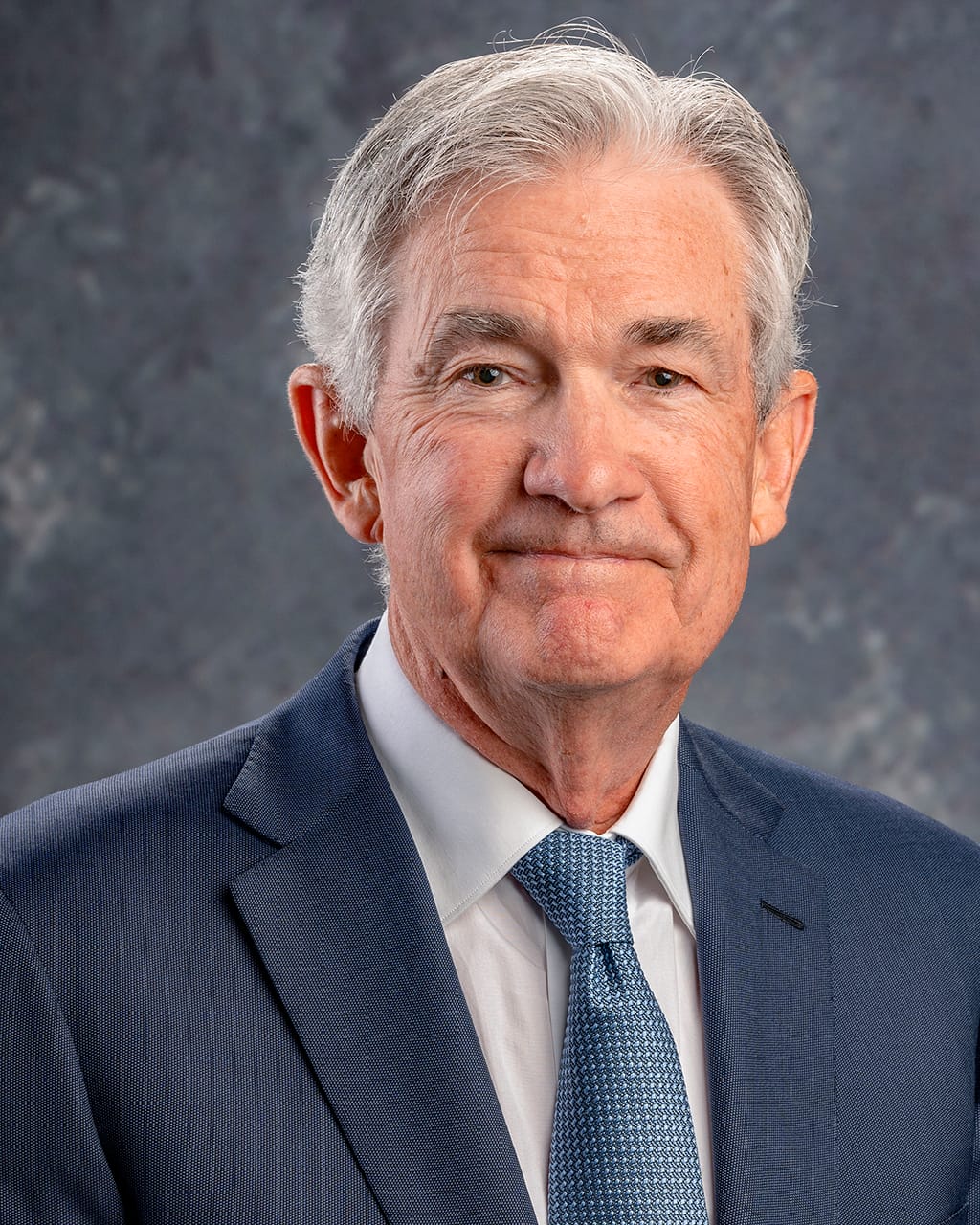
The investigation began last year when the U.S. Attorney’s Office issued subpoenas to the Fed’s Board of Governors. Authorities sought records related to renovations of the Fed Board building and Powell’s testimony about the project in Congress. The renovation project has been described as ballooning in cost, with total projected expenditures around $2.5 billion and about $700 million over the original budget.
Powell has long resisted White House pressure to lower borrowing costs, a stance that Trump has publicly criticized. The prosecutors’ inquiry has been framed by some as a push to extract policy concessions, while officials say it is a legitimate exercise of oversight.
The ruling has broad implications for the independence of the Federal Reserve, a cornerstone of U.S. economic policy. Market participants watch the Fed’s moves closely, since perceptions of political interference could affect expectations for interest rates, inflation, and financial conditions.
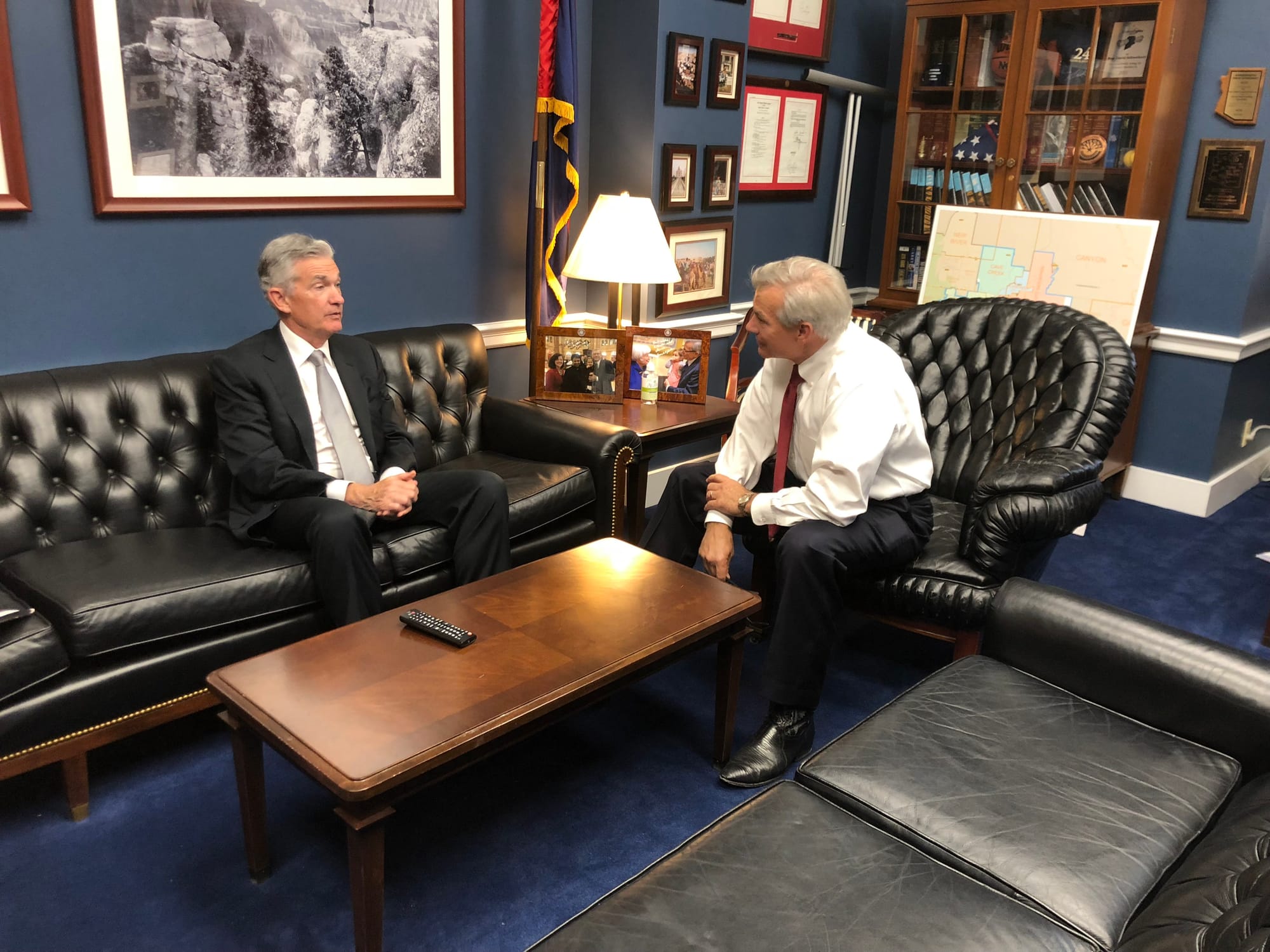
Republicans and Democrats alike expressed skepticism about the case. Some Republican lawmakers who supported Powell warned that pursuing an appeal could further delay the confirmation process for a new Fed chair nominee, who would need Senate approval.
For U.S. readers, the episode underscores the sensitivity of monetary policy to political dynamics in Washington. It also highlights how high-profile investigations involving the central bank can influence confidence in the Fed’s independence, with potential downstream effects on markets, lending conditions, and the broader economy.