South Korea moves to public financing for Nonghyup cooperative elections
Seoul and the ruling party are advancing a reform of the Nonghyup Central Association’s nationwide leadership election by introducing public campaign financing, aiming to curb costly and potentially influence-filled campaigns in one of Korea’s largest grass‑roots bodies.
Under the plan, each candidate would be subject to a campaign spending cap of about 155 million won. The 100 million won base would be complemented by roughly 55 million won drawn from the federation’s 1,110 member cooperatives, with 50,000 won allotted per cooperative. The final spending limit would be determined by the Central Election Commission, but would reflect the government’s proposed formula and could be adjusted over time.
Candidates would be required to report campaign income and expenditures to the election authorities, and expenses could be reimbursed by the state depending on vote share: those winning 15 percent or more would receive full reimbursement, those with 10 to under 15 percent would receive half, and candidates below 10 percent would bear their costs themselves.
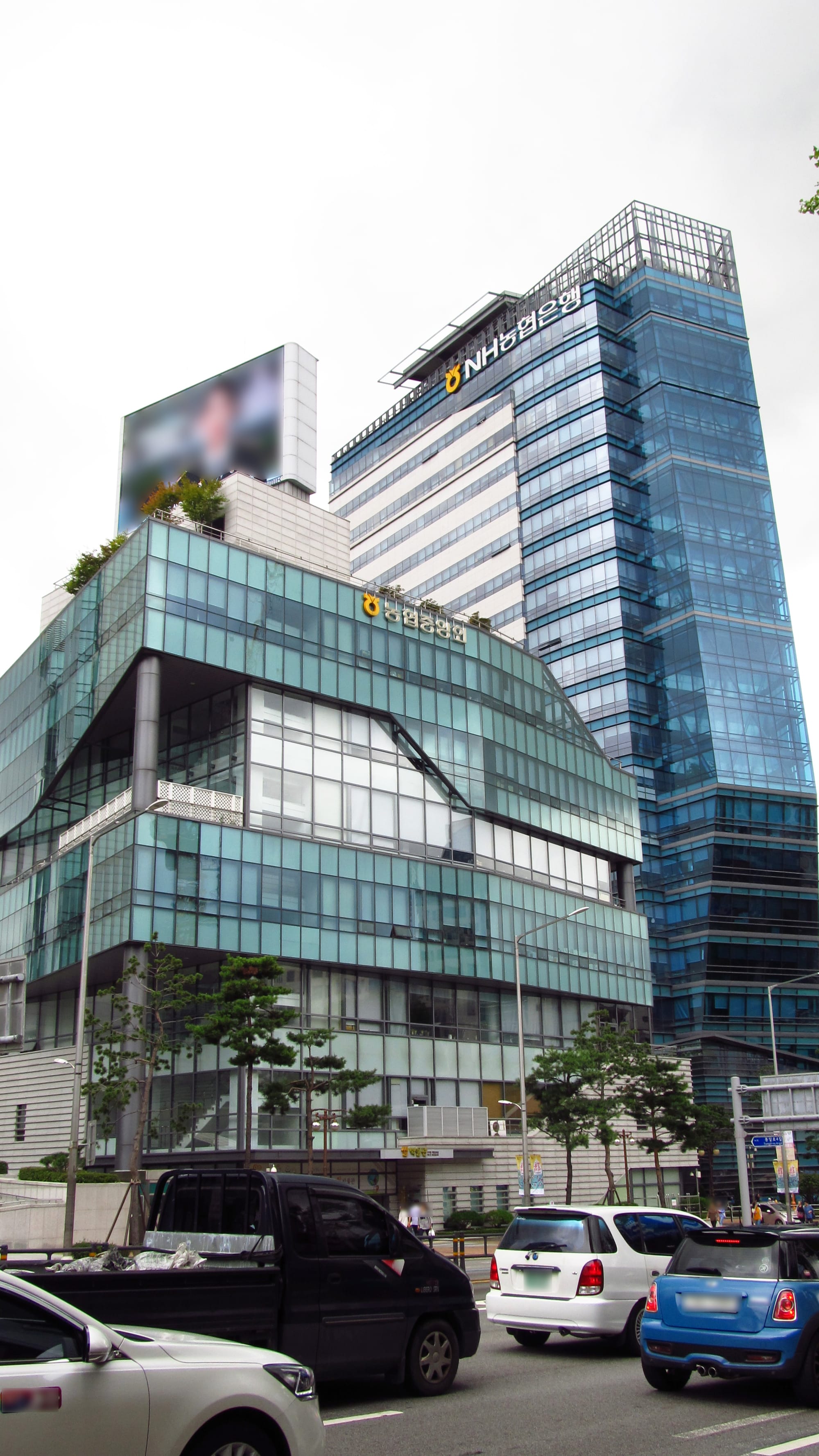
The push to reform Nonghyup’s election process follows persistent criticisms that large‑scale cooperative elections can invite expensive campaigns and improper influence. It comes amid public attention to allegations involving former Nonghyup chairman Kang Ho-dong, who is under investigation for allegedly channeling funds through the Nonghyup Foundation to support his election and related figures amounting to about 490 million won.
In addition to financing rules, the plan would introduce policy-focused elements, including candidate debates broadcast on TV and YouTube to encourage substantive policy competition rather than purely financial advantage. The government argues such debates would elevate the quality of discourse among candidates.
The proposed changes also tighten penalties for election irregularities in Nonghyup elections. Bribery in farming coop elections would carry a maximum of five years in prison or a 50 million won fine, up from the current three years or 30 million won. The period during which elected officials are barred from running again would be extended from four to eight years.
The bill was filed on the 11th by the ruling party in conjunction with the Ministry of Agriculture, Food and Rural Affairs, with the aim of completing parliamentary processing before the June local elections. If enacted, the reforms would apply to a nationwide election involving all 1,110 cooperatives under the Nonghyup umbrella.
Why this matters beyond Korea: Nonghyup oversees a large network that finances and supports Korean farmers, influences rural credit and supply chains, and interacts with Korea’s broader agricultural policy. Public campaign financing could shift how money influences governance in a major state‑backed agricultural institution, with potential implications for agricultural trade, commodity markets, and U.S. agribusiness partners active in Korea. The proposals also reflect Korea’s broader effort to strengthen transparency and accountability in public organizations’ elections, a topic of interest to policymakers in the United States and to investors watching how Korea manages governance and regulatory reforms that touch critical supply chains.