Israel Faces Severe Interceptor Shortage, Raising U.S. Supply Questions

A U.S.-based outlet, Semafor, reported on Tuesday that Israel has told Washington it is severely short of ballistic-missile interceptors as its war with Iran intensifies. The report says Israel entered the current conflict with depleted stocks after firing interceptors during last year’s June “12-day war” with Iran.

The article notes that CNN had previously reported Iran was adding payload capabilities to missiles, which could exacerbate Israel’s interceptor shortages. Israel relies on long-range interceptors to counter ballistic missiles, while its Iron Dome system handles short-range threats and operates separately from the long-range capability.
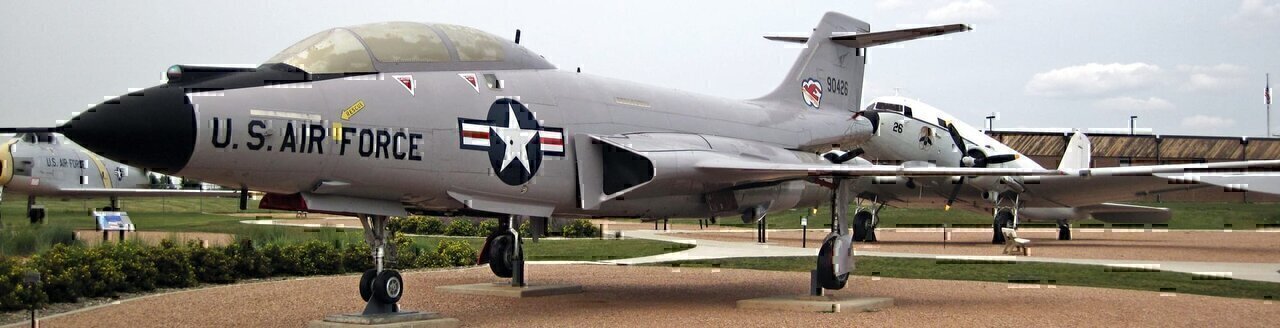
(South Dakota Air and Space Museum collection, Ellsworth Air Force Base, Rapid City, South Dakota, USA)


The F-101B Voodoo is a United States Air Force plane used in the 1950s to 1980s.  It is a two-seat, twin-jet engine, interceptor-fighter plane.


From exhibit signage:
F-101B Voodoo
Top Speed - 1,100 miles per hour
Crew - 2
Range - Continental
Payload - 4 air-to-air missiles, or 2 missiles and 2 Genie nuclear rockets
Partners in the Cold War: the Royal Canadian Air Force
Jets like this one served as interceptors: they defended the nation's borders against aerial attack.  But although they were designed for our Air Force, American aerospace companies also supplied our allies.  F-101s (designated CF-101s) were the primary air defense for the Royal Canadian Air Force for over 20 years.  In the Voodoo, Canadian pilots intercepted Soviet planes testing North American defenses.


See info. at:

<a href="https://en.wikipedia.org/wiki/McDonnell_F-101_Voodoo" rel="nofollow">en.wikipedia.org/wiki/McDonnell_F-101_Voodoo</a>
Representative image for context; not directly related to the specific event in this article. License: CC BY 2.0. Source: Wikimedia Commons.

U.S. officials are said to have been aware for months that Israel’s intercept capacity was lower than desired, and that this situation had been anticipated. The United States, however, stressed that American interceptor stocks are not in the same tight supply as Israel’s, according to the report.

It remains unclear whether the United States would provide interceptors to Israel under current conditions. If such support were offered, the article notes, it could also strain U.S. stocks, potentially affecting Washington’s own readiness and supply commitments.

The report highlights ongoing questions for U.S. readers about allied defense cooperation, defense stockpiles, and the broader implications for regional security. The United States has a history of supplying defense systems and ammunition to Israel, reflecting the long-standing security partnership between the two countries.
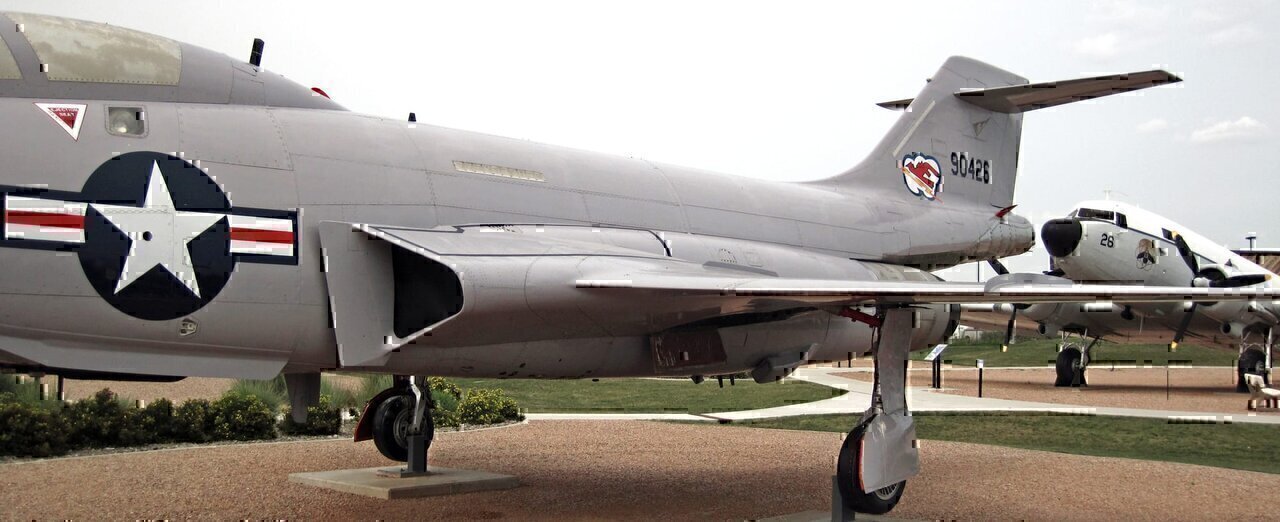
(South Dakota Air and Space Museum collection, Ellsworth Air Force Base, Rapid City, South Dakota, USA)


The F-101B Voodoo is a United States Air Force plane used in the 1950s to 1980s.  It is a two-seat, twin-jet engine, interceptor-fighter plane.


From exhibit signage:
F-101B Voodoo
Top Speed - 1,100 miles per hour
Crew - 2
Range - Continental
Payload - 4 air-to-air missiles, or 2 missiles and 2 Genie nuclear rockets
Partners in the Cold War: the Royal Canadian Air Force
Jets like this one served as interceptors: they defended the nation's borders against aerial attack.  But although they were designed for our Air Force, American aerospace companies also supplied our allies.  F-101s (designated CF-101s) were the primary air defense for the Royal Canadian Air Force for over 20 years.  In the Voodoo, Canadian pilots intercepted Soviet planes testing North American defenses.


See info. at:

<a href="https://en.wikipedia.org/wiki/McDonnell_F-101_Voodoo" rel="nofollow">en.wikipedia.org/wiki/McDonnell_F-101_Voodoo</a>
Representative image for context; not directly related to the specific event in this article. License: CC BY 2.0. Source: Wikimedia Commons.

For American audiences, the situation matters beyond bilateral ties. A protracted Iran-Israel conflict could influence Middle East stability, impact defense procurement and supply chains, shape Washington’s arms policy and aid calculations, and bear on global defense markets and technology development.

The information comes from Semafor, based on reporting about Israel’s communications with the United States and corroborating coverage from CNN. The original report also references Yonhap News Agency coverage from New York. As with most fast-moving conflicts, details and assessments may evolve as more information becomes available.

Subscribe to Journal of Korea

Don’t miss out on the latest issues. Sign up now to get access to the library of members-only issues.
jamie@example.com
Subscribe