Iran Allows Two Indian LPG Carriers Through Hormuz Strait After Modi-Raisi Talks
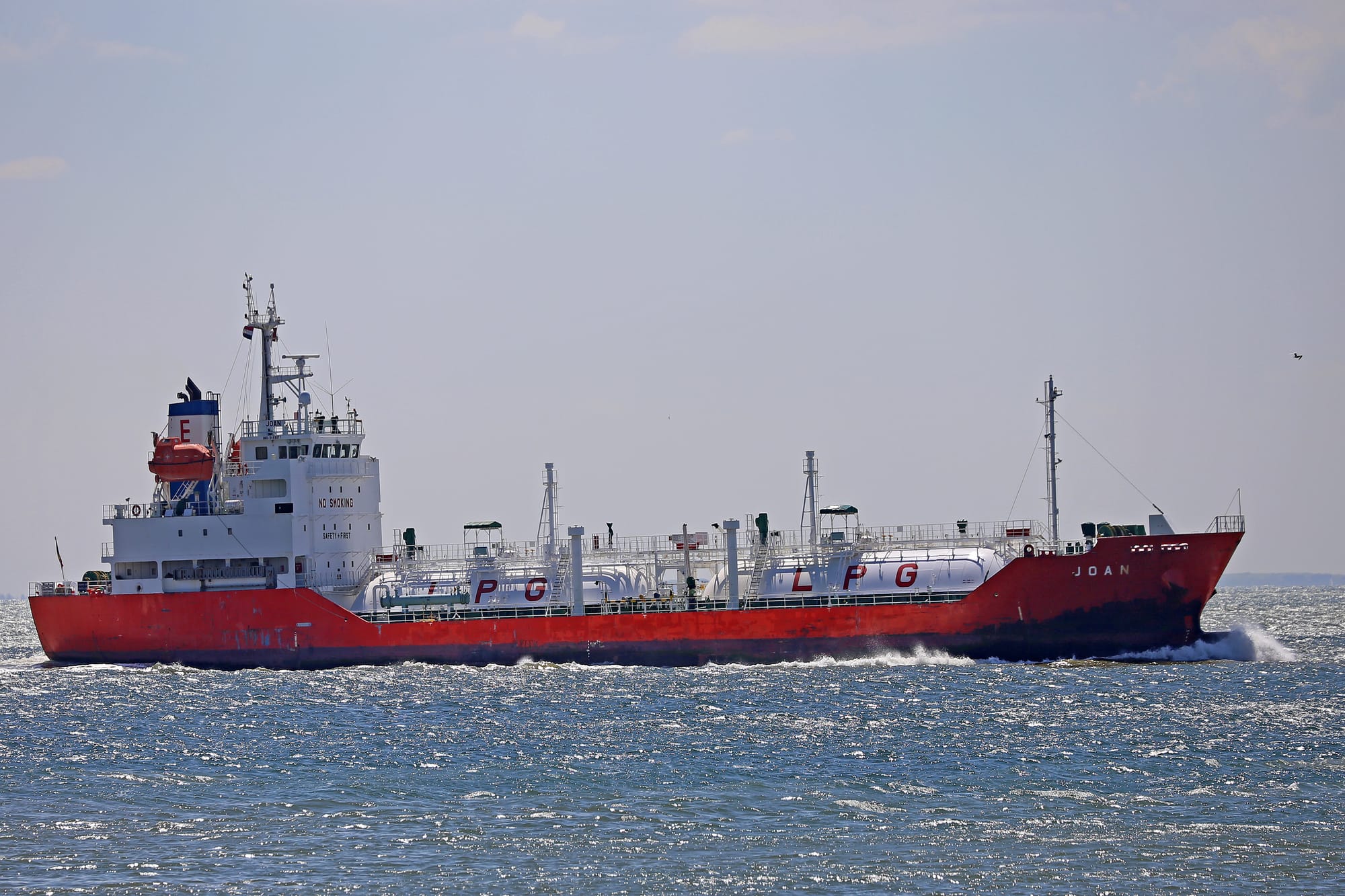
Iran has, in an unusual move, allowed two Indian liquefied petroleum gas (LPG) carriers to transit the Hormuz Strait, a waterway it has effectively blocked in recent days. Reuters reported that one Indian LPG carrier recently passed through the strait under naval escort, with another carrier expected to transit soon.
The decision came at India’s request. Prime Minister Narendra Modi held an emergency meeting with Iranian President Ebrahim Raisi on energy transport issues on the 12th, according to the report, highlighting the importance of reliable routes for energy shipments.
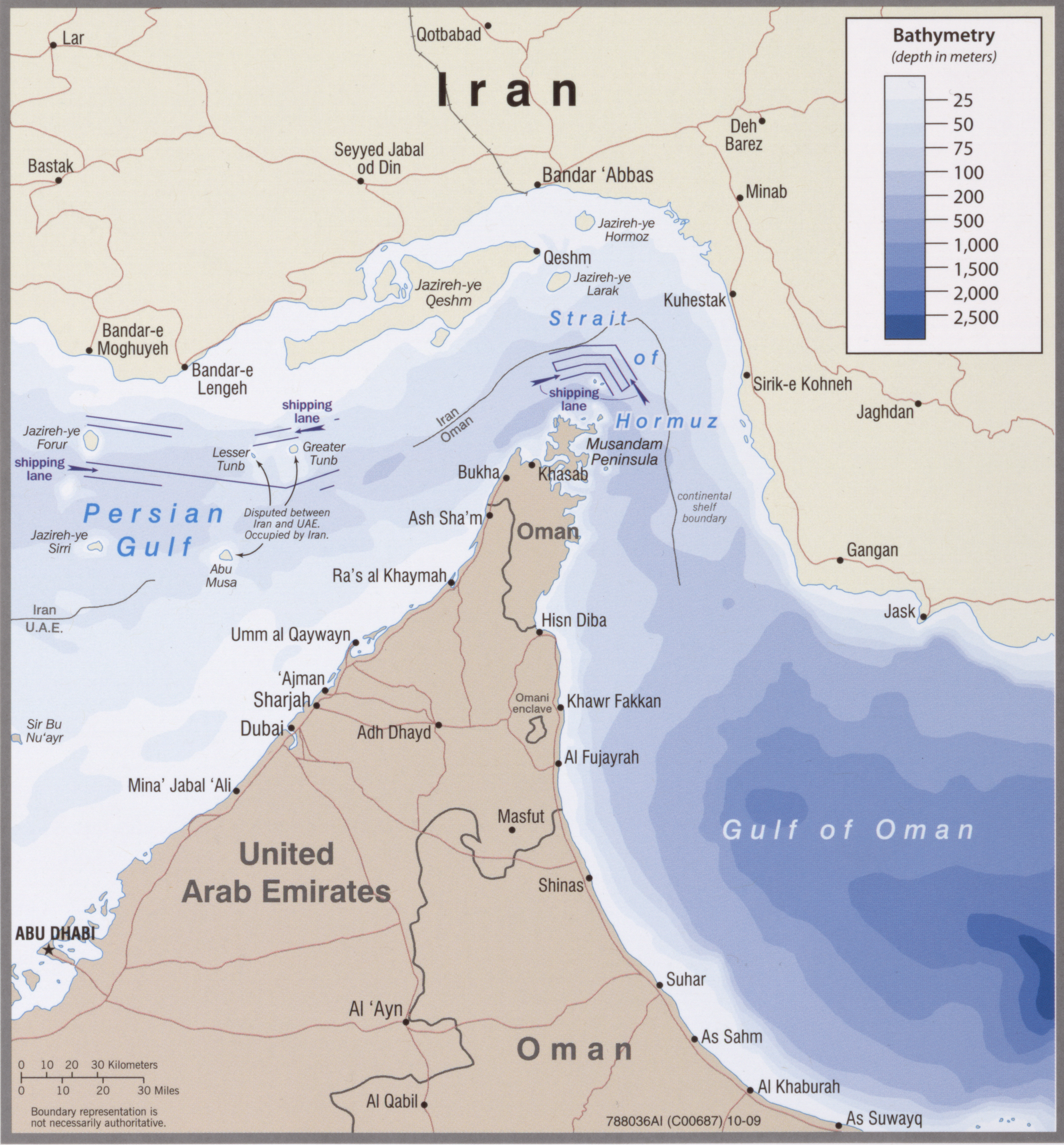
The Hormuz Strait connects the Persian Gulf with the Gulf of Oman and the Arabian Sea, and remains a critical chokepoint for global energy shipments. The corridor handles a substantial volume of crude oil and LPG moving from Gulf producers to world markets.
For India, LPG is a significant energy commodity, and the transit arrangement illustrates how diplomacy can influence shipping routes amid regional security concerns and sanctions pressures in the broader energy landscape.
The episode is relevant to U.S. readers because India is a growing energy partner and a strategic ally in regional security, and shifts in Hormuz traffic can ripple through global energy prices, supply chains, and markets. Any easing or tightening of restrictions at the strait can affect petroleum and LPG prices and the timing of shipments to energy-importing economies.
Analysts note that while such exemptions are uncommon, they reflect how transit leverage can be used in Gulf diplomacy. The development underscores the ongoing, delicate interplay between diplomacy, security, and global energy flows in a region that remains pivotal to international markets.