South Korea Police Delivers First Official Apology for 1960 Masan Uprising
In a ceremony on March 14 in Masan, a district of Changwon in South Gyeongsang Province, Gyeongnam Police Agency Chief Kim Jong-cheol delivered the first official apology by the police for the violent suppression of the 1960 March 15 uprising, at the National 3·15 Democratic Cemetery. The event marks the police’s formal acknowledgment of past abuses and responsibility.
Kim spoke at the Memorial Service for the Victims of the March 15 Uprising, representing the police, and bowed his head as part of the apology. The gesture followed decades of calls from victim families and veterans groups for a formal admission of wrongdoing by the police.
In his memorial address, Kim said, “The police, which should prioritize the protection of life and human rights of the people, ended up using force against the people and caused numerous casualties, which is a clear mistake.” He added, “Although it is late, as someone who inherited responsibility for the police organization at the time, I offer a sincere apology.”
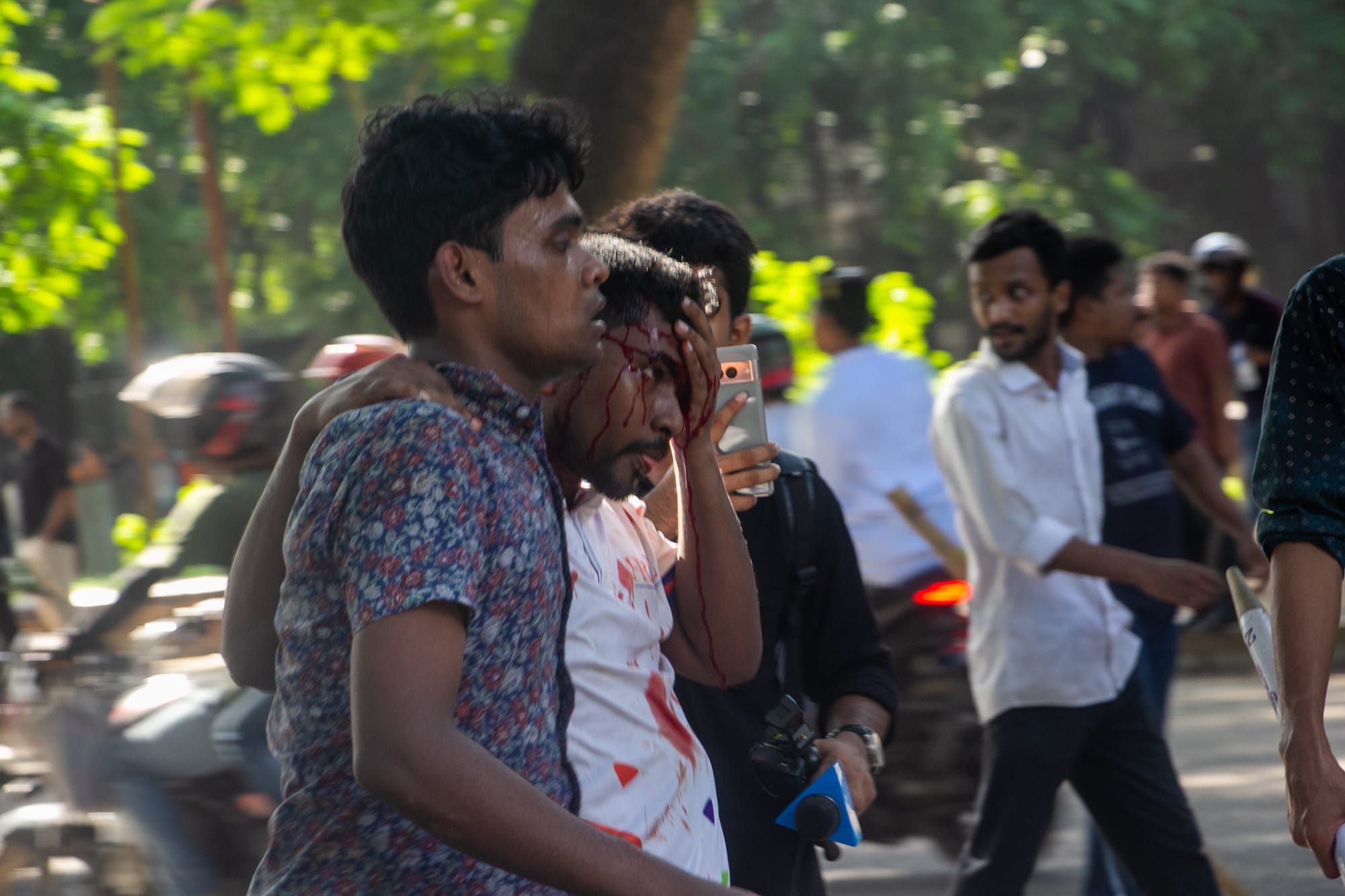
He emphasized the historical significance of the March 15 Uprising, calling it “a turning point for Korean democracy,” and pledged that the police would never forget the sacrifices made by the victims as democracy developed in the country.
The police chief also stressed that the apology should not be a one-off, announcing that institutional safeguards would be put in place. He pledged to strengthen democratic oversight and ensure thorough human rights education within the force to prevent power from being misused.
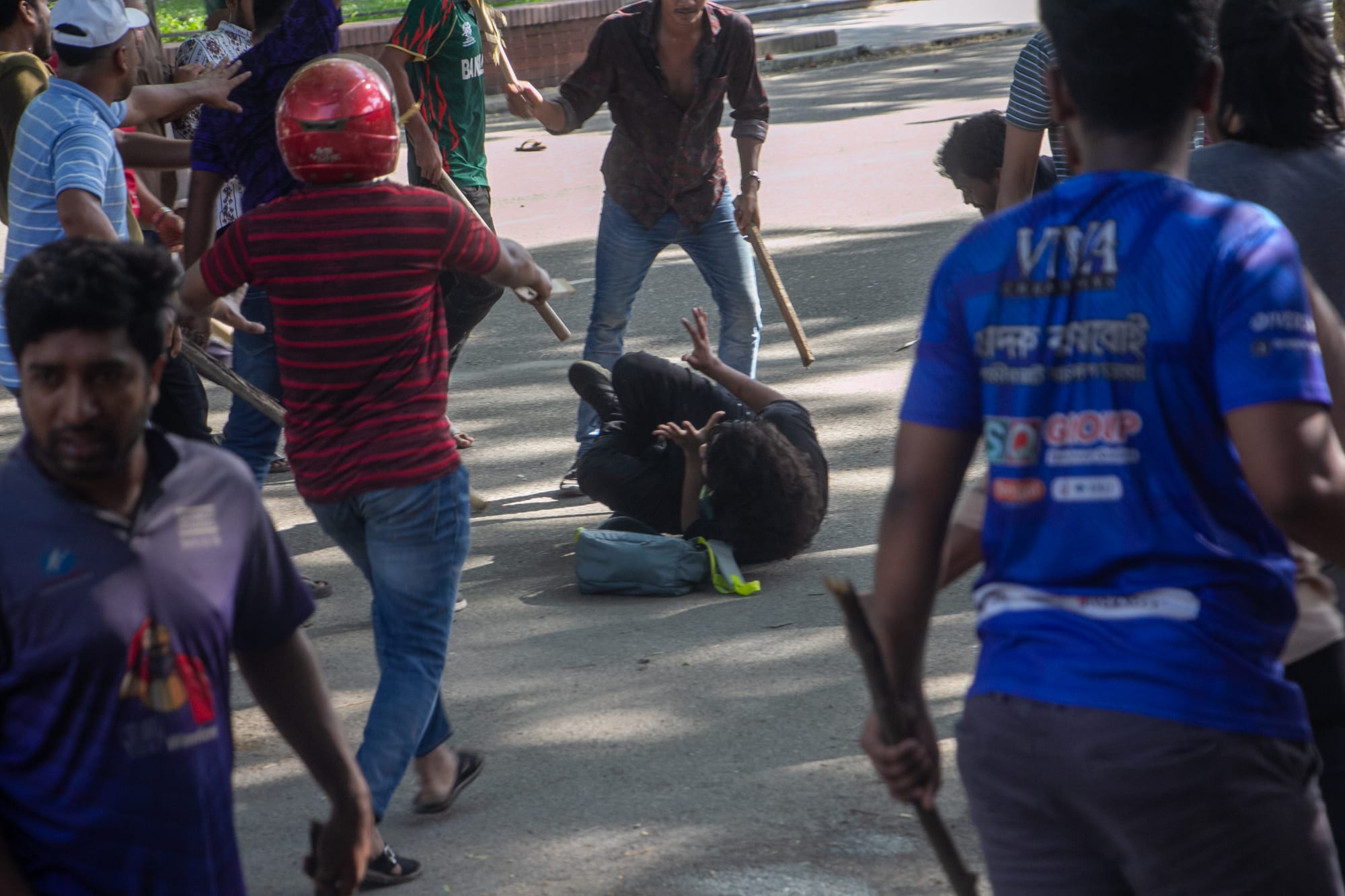
As background, the March 15 uprising in 1960 was a democratic protest by Masan residents and students against alleged electoral fraud during the regime of Syngman Rhee. The confrontation left 16 people dead and hundreds injured, and the subsequent discovery of the body of Kim Ju-yeol helped ignite the April 19 Revolution that year.
Families of victims and members of veterans’ organizations attended the ceremony, offering flowers and observing moments of silence to honor those who died. The public acknowledgment by the police comes as South Korea continues to wrestle with how best to reconcile with its political past while reinforcing governance and accountability.
For U.S. readers, the development matters beyond Korea because it signals ongoing efforts in a key U.S. ally to confront historical abuses and bolster democratic governance and policing accountability. Strong, transparent institutions in South Korea are relevant to regional security, the reliability of the U.S.–Korea alliance, and the business climate that affects American firms and supply chains operating in Korea. It also reflects broader international norms around civil liberties and human rights training within security forces that can influence diplomatic engagement, regional stability, and corporate risk management.