U.S. reportedly strikes Kharg Island as Trump claims Iran defeated
The United States reportedly carried out a large-scale airstrike on Kharg Island, an Iranian oil export hub, on March 13 local time. The report, carried by South Korea’s Newsis, included a photo captured from former President Donald Trump’s Truth Social account showing the strike.
Hours after the strike, Trump claimed on Truth Social that Iran had been “completely defeated,” and he criticized “fake news” outlets for not reporting the United States’ success. He said Iran is now seeking negotiations, but added that any deal would not be acceptable to him.
In a separate post, Trump said U.S. Central Command conducted “one of the most powerful bombardments” in Middle East history and asserted that all military targets on Kharg Island had been destroyed. He urged Iran’s forces and supporters to lay down their weapons and warned that the regime’s broader ambitions in the region had been thwarted.
Trump also released a roughly one-minute video on Truth Social showing footage of the strike, according to the report.
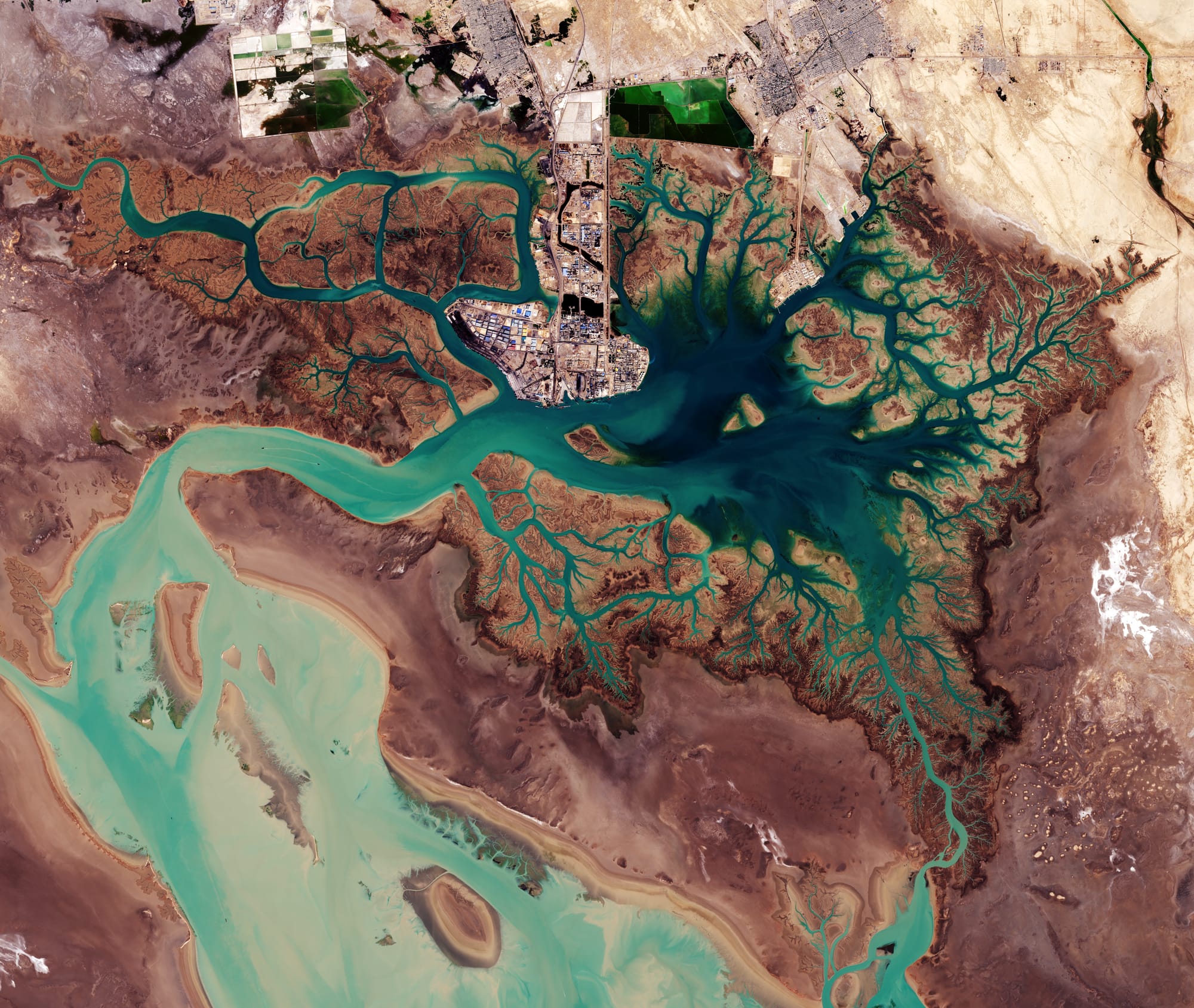
Kharg Island is a strategic oil-loading facility in Iran’s Persian Gulf and has long been cited as a focal point in discussions of Iran’s energy exports and related sanctions. A strike on its facilities would mark a high-profile escalation in U.S.-Iran tensions and could have implications for global energy markets.
For U.S. readers, the episode matters because disruptions to Iranian oil exports can influence global crude prices, shipping costs, and energy security for the United States and its allies. The development also intersects with broader U.S. foreign policy and regional security considerations in the Middle East.
The report notes that the principal claims originate from Trump’s social-media posts and a circulated video, with no independent verification provided in the cited sources. Verification from U.S. defense officials or Iranian authorities would be needed to confirm the strike’s scope and impact.