Japan PM attends Defense Academy graduation, signals possible Article 9 reform.
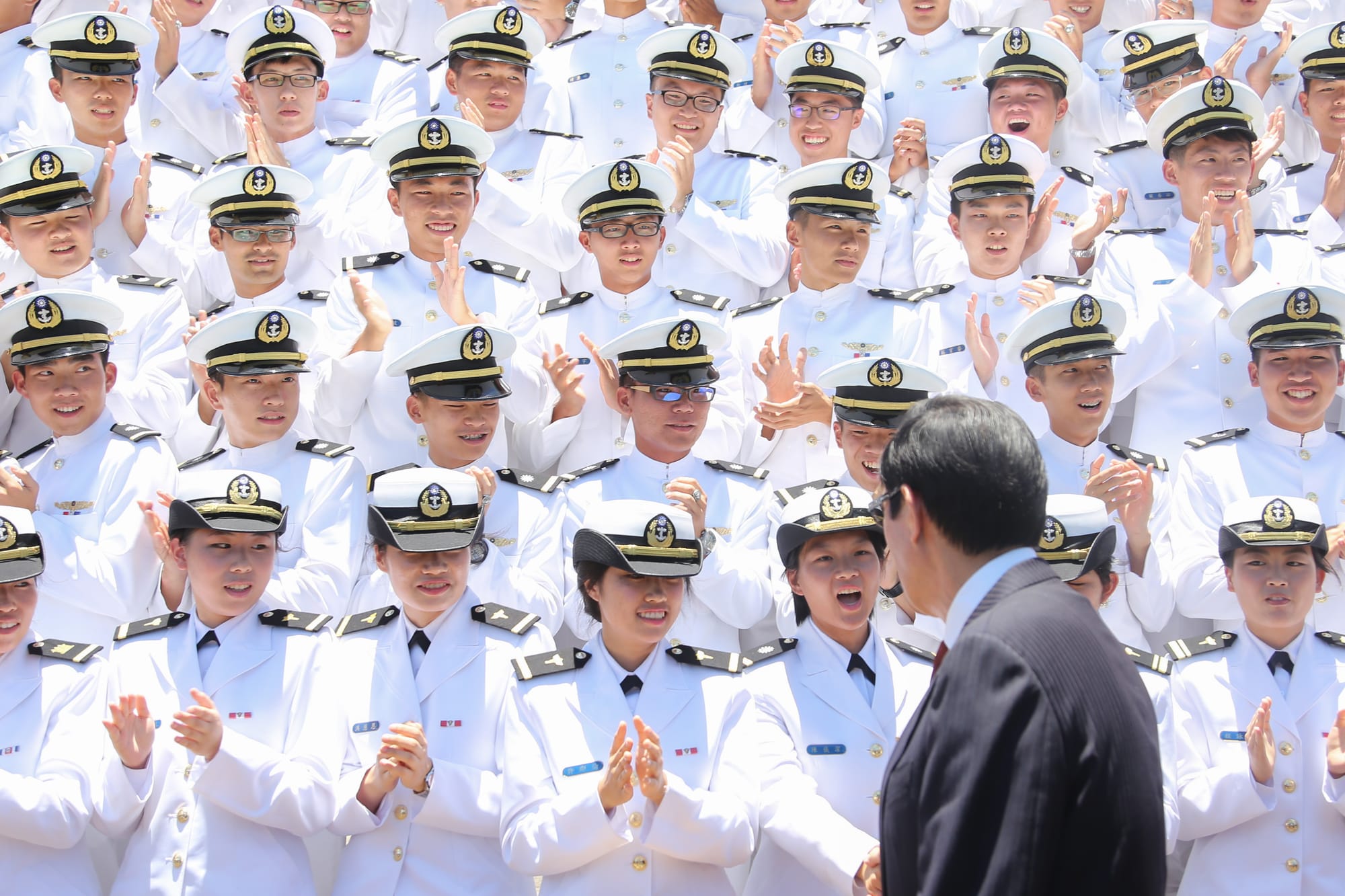
Tokyo has observed a new signal from Prime Minister Sanae Takai, who attended the Defense Academy graduation in Yokosuka, Kanagawa Prefecture, on the 14th. The Defense Academy is a four-year national university under the Defense Ministry that trains Self-Defense Forces officers. Takai’s appearance at the graduation marks the first time a sitting prime minister has attended the ceremony since she took office in October 2025.
In her address, Takai said the government would not rule out any option and would review all possibilities to safeguard Japan and its people, including how the Defense Ministry and the Self-Defense Forces are organized. Her comments fed ongoing speculation that she intends to reconsider Japan’s postwar security framework.
Her remarks touched on constitutional reform, suggesting that changing Article 9 of Japan’s pacifist constitution—often cited as the basis for keeping the Self-Defense Forces outside a formal military—could be part of broader discussions aimed at strengthening deterrence. The idea of formally defining the SDF as a military force has been a longstanding topic in Japan’s security debates.
Takai pointed to a more challenging security environment around Japan, citing growing defense capabilities of North Korea and China, and closer ties between North Korea and Russia. She described the regional security landscape as the most demanding and complex since World War II, underscoring the perceived need for stronger deterrence.
The prime minister also referred to shifting warfare concepts, including the large-scale use of unmanned systems, and stressed the importance of preparing for long-term conflict. She called for deepening security cooperation within the U.S.-Japan alliance and expanding ties with regional partners, including South Korea and the Philippines.

Behind the ceremony lies a broader policy framework. Japan is revising its three key security documents—the National Security Strategy, the National Defense Program Guidelines, and the Defense Capability Development Plan—to reflect a stronger defense posture. Takai’s comments align with a push to accelerate these revisions and to clarify Japan’s defensive capabilities in a changing threat landscape.
Analysts note that the Defense Academy, established after World War II and Japan’s postwar restructuring of the armed forces, remains a central institution in shaping Japan’s officer corps. Reports also indicate that Yoshida Yoshihide, a retired four-star general and former head of the Integrated Defense Staff, has been nominated to lead the Defense Academy, fueling discussion that Japan may be edging toward a more traditional military posture.