Vance's Iran intervention stance under scrutiny amid White House debate
U.S. Senator J. D. Vance of Ohio faced questions about his views on possible U.S. military action against Iran, according to a Politico report citing unnamed current and former Trump administration officials. The story says Vance’s stance during the Trump era was characterized as skeptical about the plan and concerned about its prospects for success.
Politico describes Vance’s role as one intended to bring all perspectives to the table, with officials saying his job was to provide “every angle” of a given issue to the president and the administration. The account portrays his input as part of a broader debate inside the White House about foreign military actions.
The outlet notes that Vance’s Marine service in Iraq shaped his approach to military intervention, contributing to a view that conflicted with some administration optimism about rapid success in potential operations. Analysts cited by Politico argue this background helped fuel ongoing speculation about tensions between him and President Donald Trump over strategy.
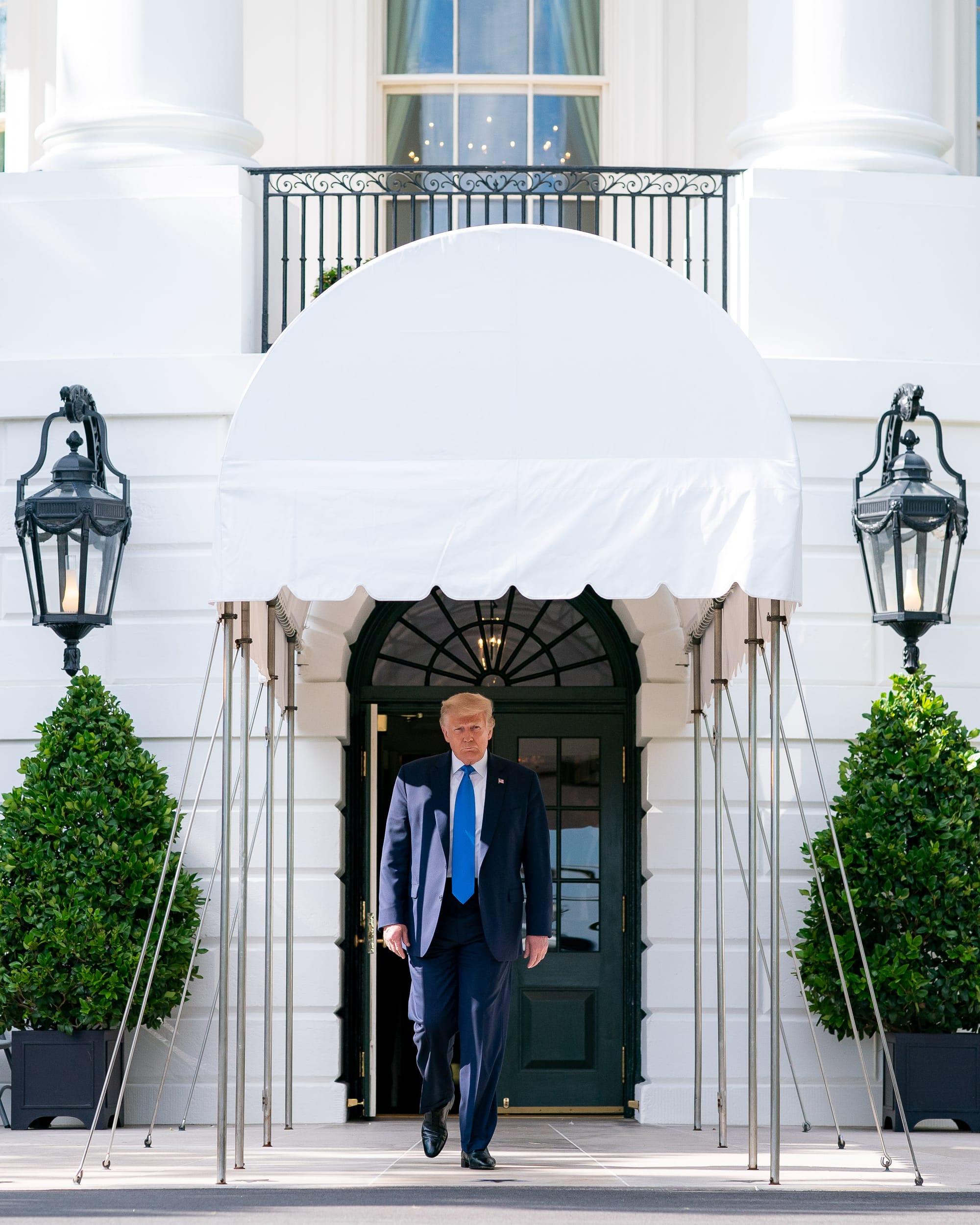
The report also references past instances when Vance publicly differed with Trump on military actions, including discussions among government security staff about Yemen strikes against Houthi militants being considered by some as a mistake, based on messages circulated on the messaging app Signal.
In another instance cited by Politico, Vance wrote on X (formerly Twitter) after a U.S. strike on an Iranian nuclear facility last year that people’s concerns about America getting involved overseas are natural following decades of what he called foolish foreign policy.
The Politico piece notes a recent Washington Post interview in which Vance described himself as a skeptic of overseas military entanglements, reinforcing a pattern of cautious language about foreign interventions.
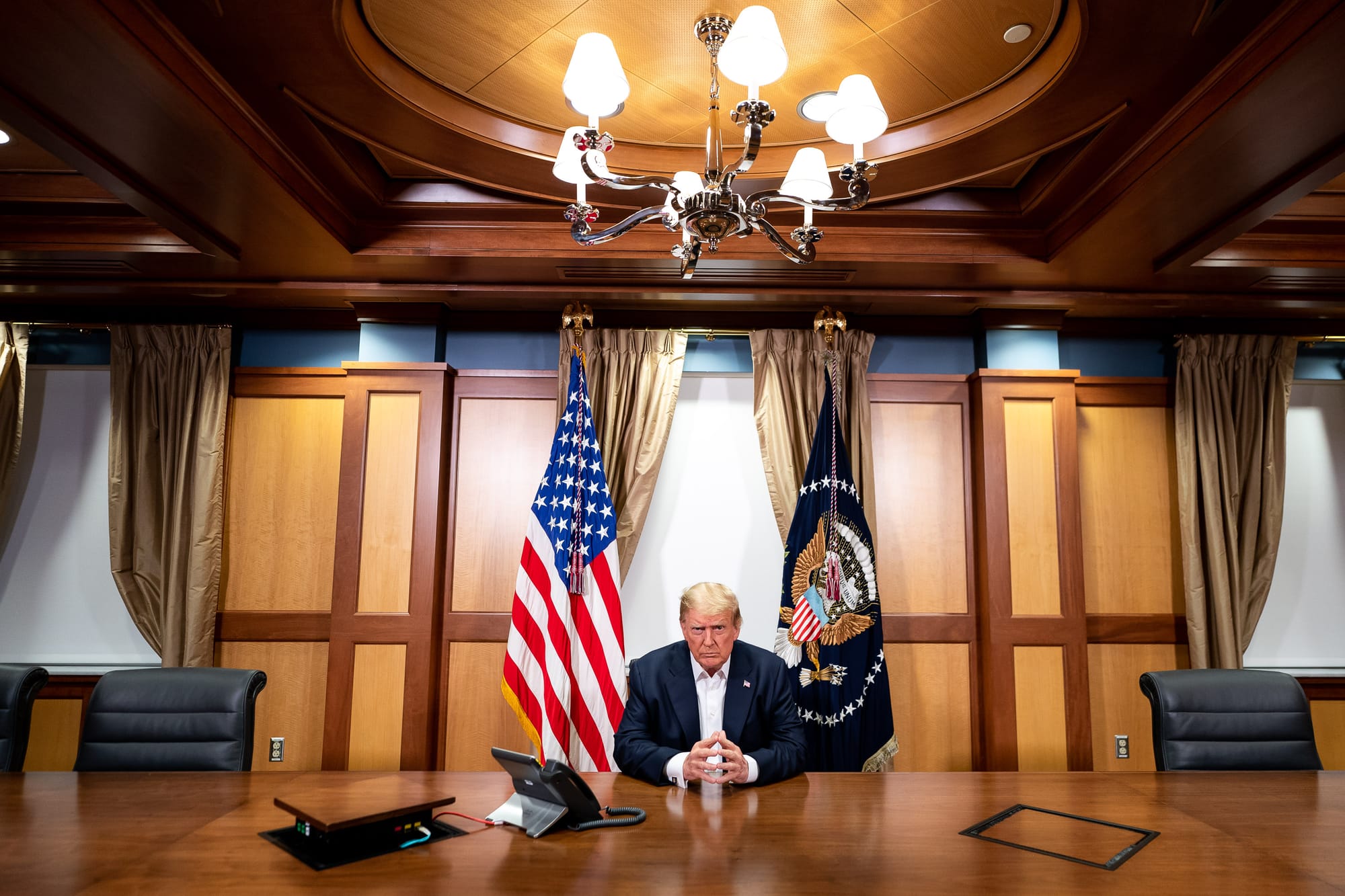
Trump publicly acknowledged philosophical differences with Vance, saying at a press event that Vance “philosophically” differed and that while Vance might be less eager to engage in war, he remained “still quite passionate.” The remarks underscored a broader public airing of viewpoints within the Republican foreign-policy spectrum.
White House deputy press secretary Ana Kelly pushed back on the idea of a rift between Trump and Vance, saying it was wrong to portray them as divided. She asserted that the president values diverse opinions within a capable national security team and that Vance remains a significant asset to the administration.
Why this matters beyond Korea: U.S. readers should watch how internal debates among top policymakers and lawmakers influence American decisions on Iran, the Middle East, and broader security policy. Publicly visible disagreements can affect confidence in Washington’s ability to manage risk, coordinate with allies, and deter escalation. For markets and supply chains, debates over intervention risk in the region can influence oil prices, energy security planning, and the reliability of global trade routes. The episode also illustrates ongoing intra-party dynamics over doctrine on the use of military force, Congressional oversight, and the balance between skepticism and intervention in U.S. foreign policy.