Iran Grants Rare Concession, Allows Two Indian LPG Carriers Through Hormuz
Iran, after being subjected to air attacks by the United States and Israel, has effectively blocked the Hormuz Strait. In a rare move, Tehran allowed two Indian liquefied petroleum gas (LPG) carriers to transit the waterway.
Reuters reported that the Indian LPG carrier Shivalik passed through the Strait of Hormuz with naval escort. It also said another Indian LPG carrier, Nanda Devi, was expected to pass soon, in what the agency described as an exceptional concession at India’s request.

India had been facing LPG supply shortages since the blockage, tying the easing to diplomacy with Tehran. Indian Prime Minister Narendra Modi spoke with Iran’s President Ebrahim Raisi on the 12th about issues related to the transport of goods and energy.
The incident matters beyond Korea because the Strait of Hormuz is a global energy chokepoint, through which a large share of Middle East oil and gas shipments—including LPG—move to international markets. Any disruption or selective permissions in that corridor can influence energy prices and supply chains worldwide.
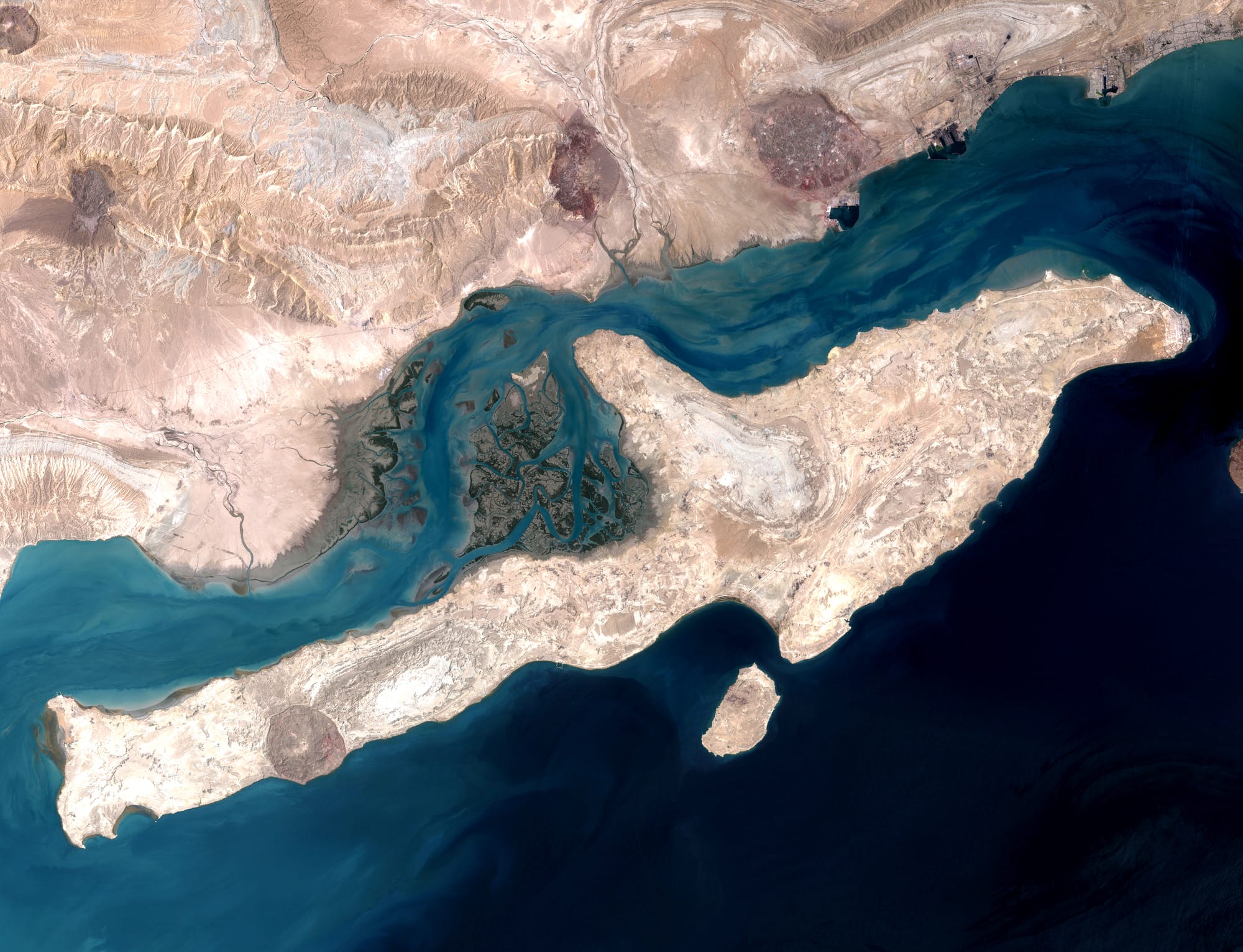
For the United States, the development is relevant to energy security, sanctions policy, and regional stability in the Gulf. A perceived willingness by Iran to permit limited transit under certain conditions could affect market expectations, supply reliability, and strategic calculations in Washington’s approach to Iran and Gulf diplomacy.
Contextual background: the Hormuz Strait sits between Iran and the Arabian Peninsula, forming a key route for global energy trade. India, one of the world’s major LPG consumers, has sought reliable imports to meet domestic demand, even as geopolitical tensions affect shipping routes and insurance costs. The situation remains fluid, with further shipments possible depending on Tehran’s decisions and broader regional dynamics.