U.S. broadens Venezuela licenses, easing fertilizer and petrochemical imports
The U.S. Treasury renewed three general licenses related to Venezuela’s energy sector and petrochemical products, expanding sanctions relief aimed at stabilizing global commodity markets and helping keep inflation in check for American consumers. The move was reported by Reuters on the 13th.
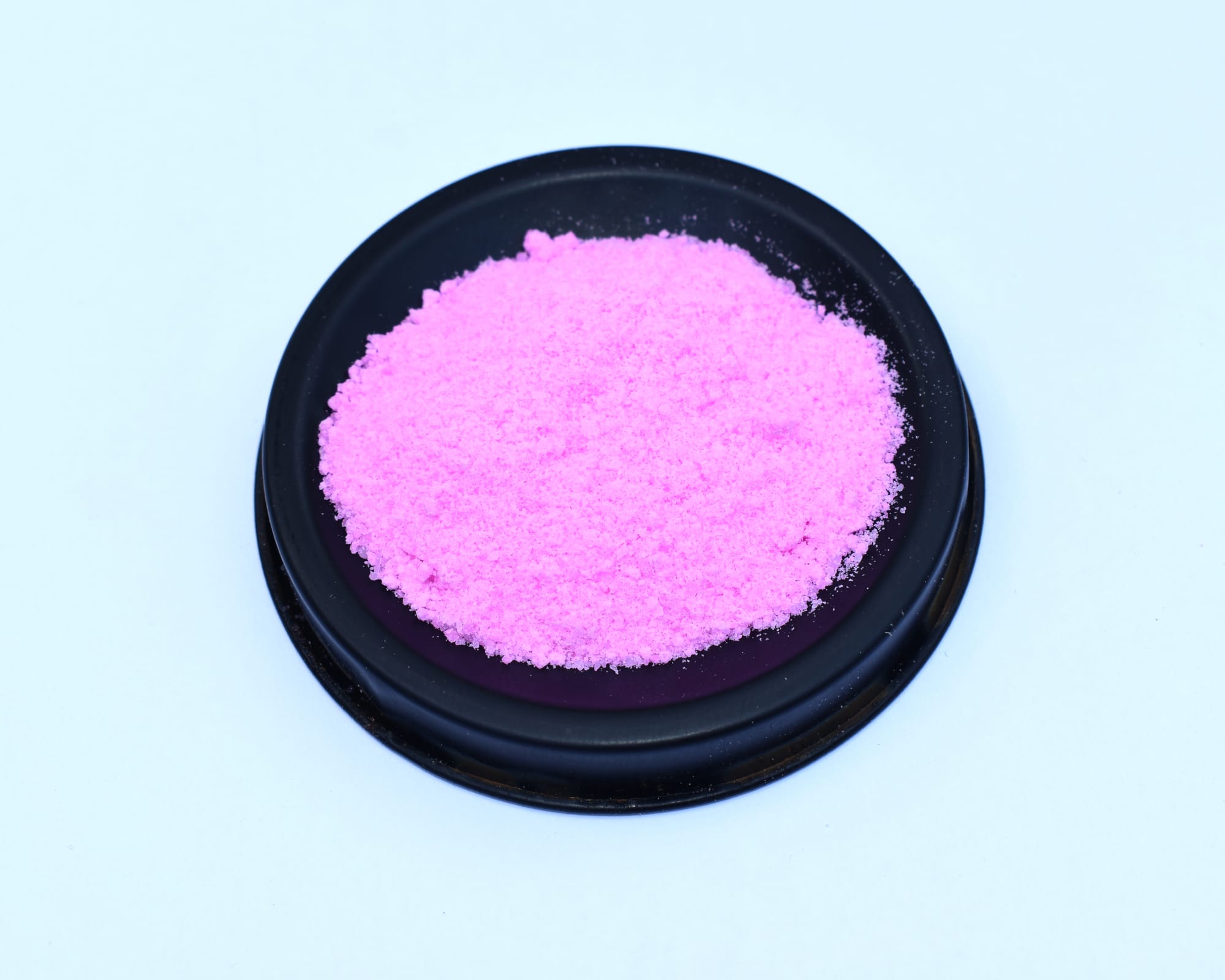
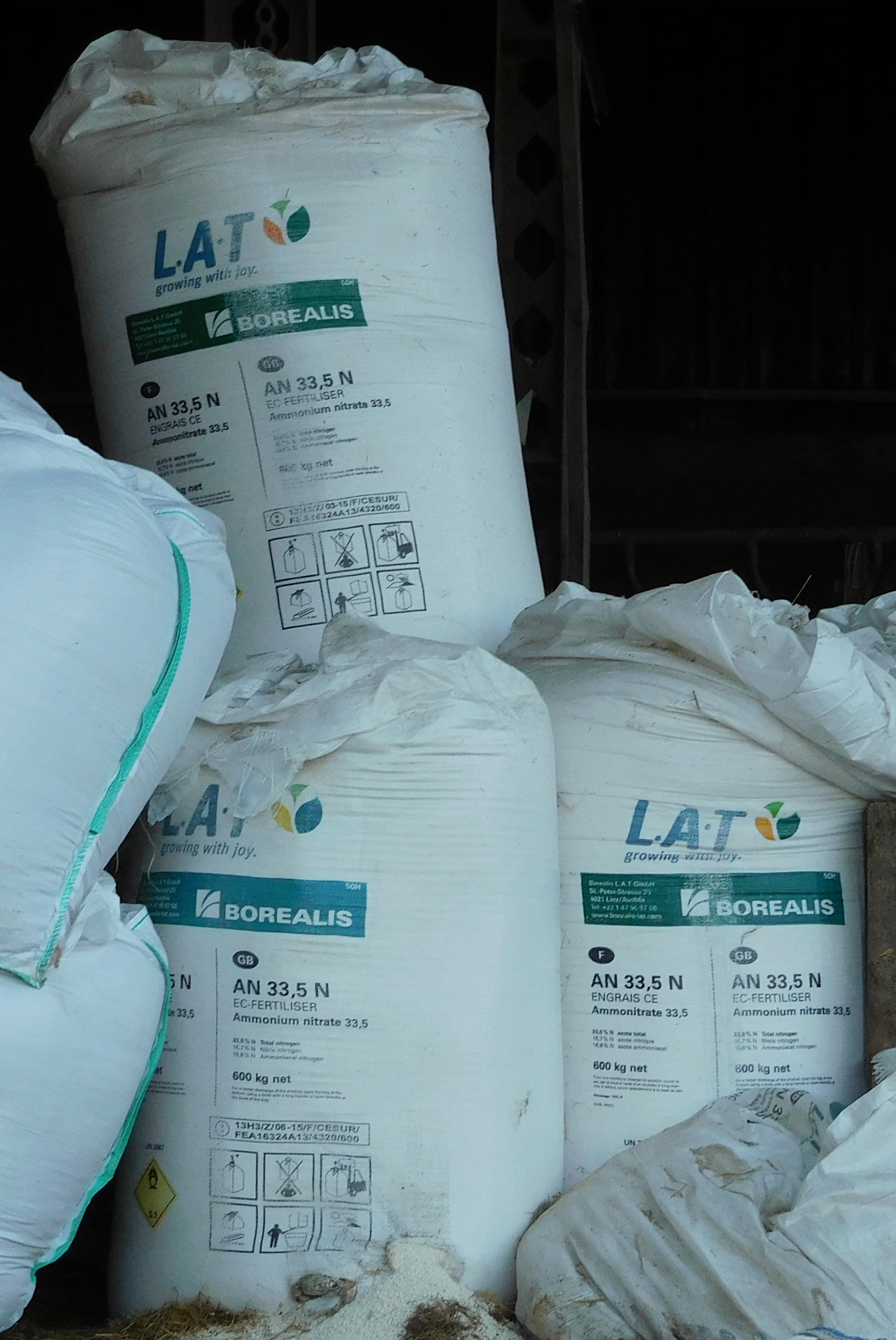
The licenses would allow U.S. companies to purchase Venezuelan petrochemical goods, including fertilizers, and import them into the United States. Final contracts would still require separate approval from the Office of Foreign Assets Control (OFAC), the Treasury department unit that administers sanctions.
The action comes as Washington has sought to improve ties with Venezuela’s interim government after January, when the United States began reengaging with Caracas and rolled out a sequence of sanctions-relief measures. The new licensing aligns with those broader diplomatic and economic adjustments.
U.S. officials have said the relief aims to support the flow of energy and related commodities to global markets while mitigating inflation risks at home, including higher costs for farm inputs such as fertilizer and fuel. Fertilizer prices and supply have been a particular concern as disruptions in global trade and energy markets mount.
Analysts have linked rising oil and fertilizer costs to broader geopolitical strains, including Iran-related conflict that has affected shipping and price levels. Some countries have faced difficulties importing fertilizers as a result of these tensions and the associated volatility in energy markets.
In a related move, the previous day the United States temporarily eased some oil-related sanctions on Russia, allowing shipments of already loaded petroleum products to be sold for about a month to curb a potential price spike. The measure reflects the administration’s broader aim of stabilizing energy prices amid global disruptions.
A Treasury official emphasized that expanding Venezuela-related exemptions would help U.S. farmers by enabling direct fertilizer imports from Venezuela, thereby supporting farm productivity and attempting to blunt input-cost-driven inflation in the United States.