Korea Sees 26% Rise in Glaucoma, Emphasizes Regular Eye Exams
Glaucoma is identified in Korea as one of the three leading causes of blindness, alongside age-related macular degeneration and diabetic retinopathy. The disease often progresses with little or no early warning signs, meaning vision loss can advance before patients notice it. Experts stress that regular eye exams are crucial, especially for people over 40 or those with risk factors, to catch damage before it becomes permanent.
Korean health data show a notable rise in glaucoma cases from 2020 to 2024. The number of patients visiting clinics for glaucoma grew from 967,554 to 1,222,254, about a 26 percent increase over five years. While the largest share remains among people 60 and older, there has also been growth among younger adults: roughly 104,000 in their 20s and 30s in 2020 rising to about 118,000 in 2024, an increase of around 13 percent.
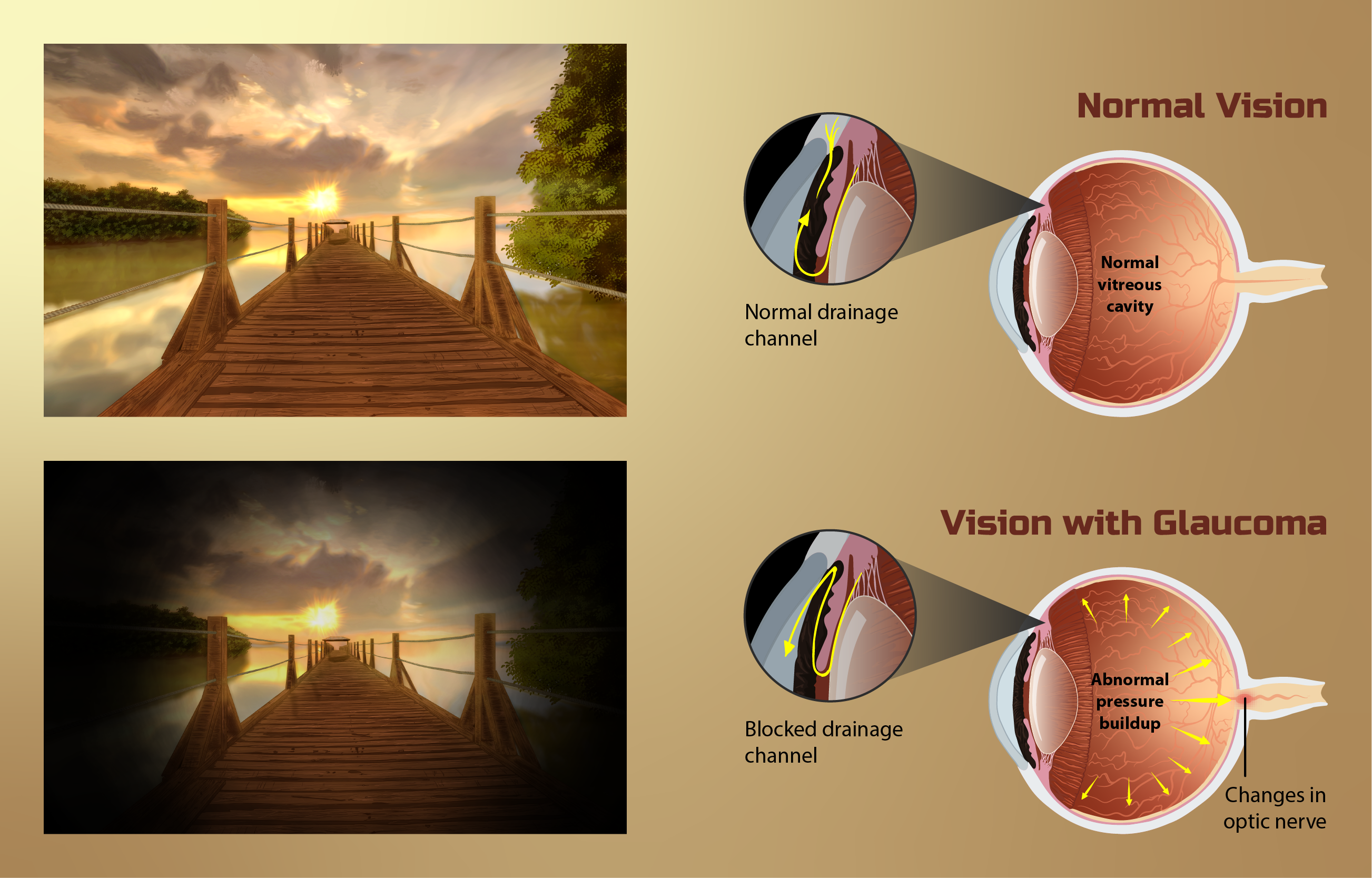
Glaucoma is a progressive optic neuropathy caused by multiple factors. Open-angle glaucoma is the most common form and typically starts with peripheral vision loss, gradually narrowing the field of view. Acute angle-closure glaucoma, by contrast, is an emergency that requires rapid treatment. While elevated intraocular pressure is a major risk factor, many patients experience optic nerve damage even when their pressure readings are normal—a condition known as normal tension glaucoma.
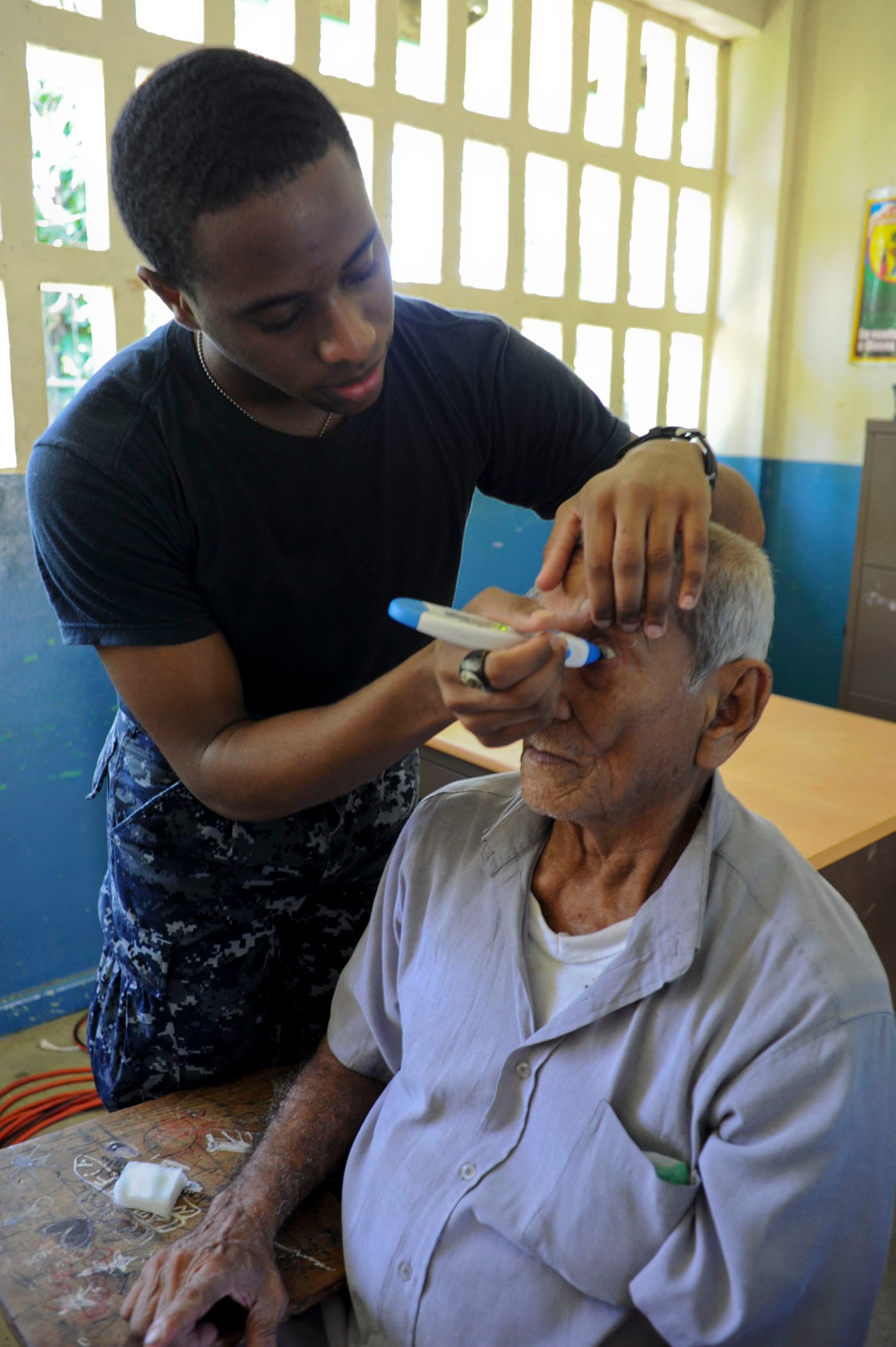
Diagnosis combines several tests: measuring intraocular pressure, examining the optic nerve, and using imaging and visual field tests to assess nerve health and function. Corneal thickness is also measured, because it helps doctors interpret pressure readings more accurately. With the rise of refractive surgery such as LASIK, corneal thickness becomes particularly relevant in evaluating true risk. In some cases, additional retinal tests help distinguish glaucoma from other nerve diseases.
Treatment centers on lowering intraocular pressure to protect the optic nerve. First-line therapy typically involves daily eye drops. If pressure remains high, doctors may use laser procedures such as trabeculoplasty or, in some cases, surgical options like trabeculectomy or glaucoma drainage devices. Minimally invasive glaucoma surgery (MIGS) has gained traction for its safety and faster recovery, though it may reduce pressure less than traditional surgeries in some patients. Acute angle-closure glaucoma requires emergency pressure reduction followed by procedures such as laser iridotomy to restore drainage.
Public health experts reiterate that early detection matters most. The Korea Society of Ophthalmology and other clinicians advise annual eye examinations for individuals aged 40 and older or for those with risk factors such as high myopia or a family history of glaucoma. Longer steroid use or conditions like diabetes and hypertension also heighten risk, underscoring the need for vigilant monitoring.
Why this matters to U.S. readers: glaucoma is a global health challenge that affects aging populations and can impose substantial long-term costs on healthcare systems. The Korean data reflect trends seen in many countries, including the United States, where early screening and access to effective treatments—including advanced imaging and minimally invasive surgical options—can prevent disability and preserve quality of life. For policymakers, insurers, and healthcare providers, the emphasis on routine screening, accurate diagnosis, and a range of treatment options has implications for costs, device and drug markets, and the allocation of ophthalmic care resources.
Context and sources: the statistics come from Korea’s Health Insurance Review & Assessment Service, which tracks national health data, alongside insights from Kangdong Kyunghee University Hospital’s ophthalmology department. Dr. Park Sehee, a professor there, underscored the importance of early screening for those at risk, noting that catching glaucoma early helps protect lifelong vision.