Trump urges allied navies, including South Korea, to bolster Strait of Hormuz shipping
On the 14th of the month, President Donald Trump posted on Truth Social urging that warships from five countries, including South Korea, join the United States in sending vessels to the Strait of Hormuz to keep the chokepoint open and secure.
In his post, Trump said, “Countries affected by Iran's attempt to close the Strait of Hormuz will send warships with the United States to keep the strait open and safe.” He added that, “we have already destroyed Iran's military power 100%, but no matter how badly they've been defeated, it's easy to send one or two drones somewhere, drop mines, or fire short-range missiles.” He named China, France, Japan, Korea, and the United Kingdom as the other countries involved.
The Strait of Hormuz, running between Iran and Oman, is a critical maritime corridor through which a sizable share of the world's crude oil and petroleum products pass. The region has long seen naval patrols and escort operations by the United States and allied forces to safeguard shipping and deter risk from Iran and other regional actors.
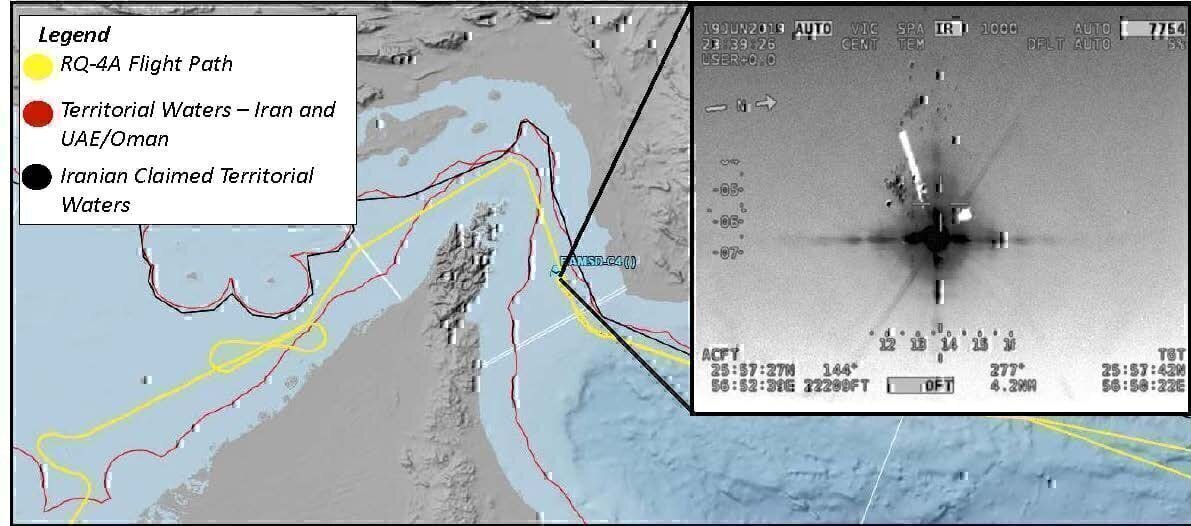
Trump’s call for allied naval involvement comes amid ongoing tensions in the Gulf, where Iran has repeatedly threatened to disrupt shipping in response to sanctions and U.S. pressure. Analysts say any disruption to Hormuz could ripple through global energy markets and affect prices worldwide.
For U.S. readers, the episode underscores potential implications for energy security and prices. An escalation or sustained disruption in Hormuz could squeeze global supply chains and influence inflation, with spillover effects for industries, transportation costs, and consumer energy bills in the United States.
South Korea’s mention among the countries cited highlights its role as a major energy importer and its security ties with the United States. Seoul relies on Middle Eastern oil and gas, and it participates in international maritime security efforts with Washington, even as it weighs economic and diplomacy considerations in any broader regional maneuver.
The report comes from Yonhap News Agency, South Korea’s largest news wire, which cited Trump’s Truth Social post in coverage that situates the narrative within domestic U.S. political messaging and its international implications.
Overall, the Hormuz issue remains a focal point of U.S.-Iran tensions and broader Middle East policy, with potential consequences for allies, partners in Europe and Asia, and the stability of global energy markets.