Korean historical drama draws 12 million viewers, renews interest in Joseon King Danjong
A South Korean historical drama has drawn huge audiences and sparked conversations about history itself. The film The Man Who Lives with the King has surpassed 12 million viewers, a milestone that has brought the fate of Joseon King Danjong back into public discussion. An anecdote shared online—about a theatergoer saying, “I didn’t think you could die in real life; I thought you’d pretend to kill him and run away”—has become a focal point for debates over how accurately the film portrays history.
The remark triggered a broader debate about historical literacy among contemporary movie audiences. Some commenters argued that the casually stated line reveals a lack of historical knowledge, while others said viewers may have expected the ending to be different or fictionalized. The discussion illustrates how popular cinema can influence what people think they know about Korea’s past.
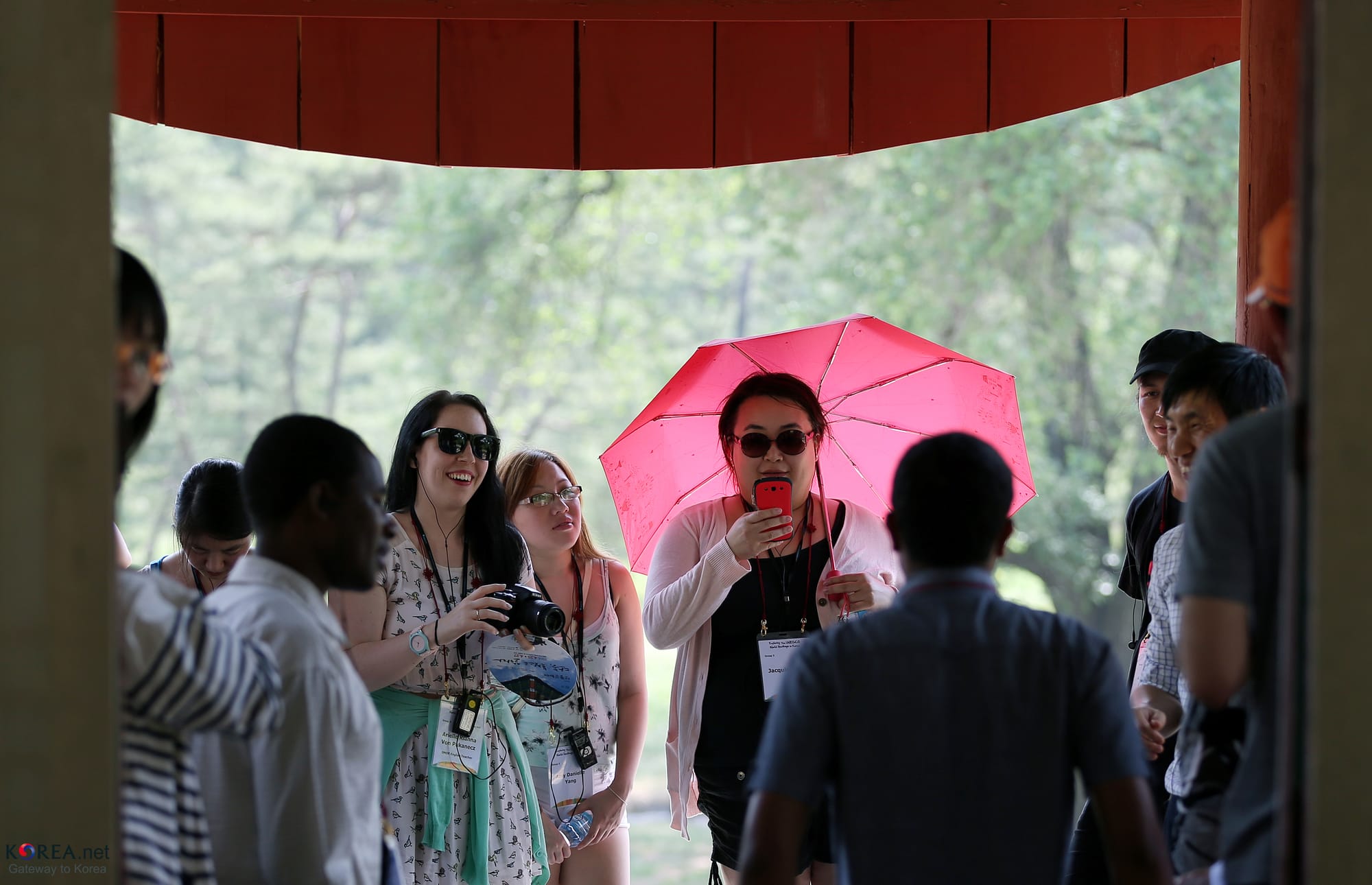
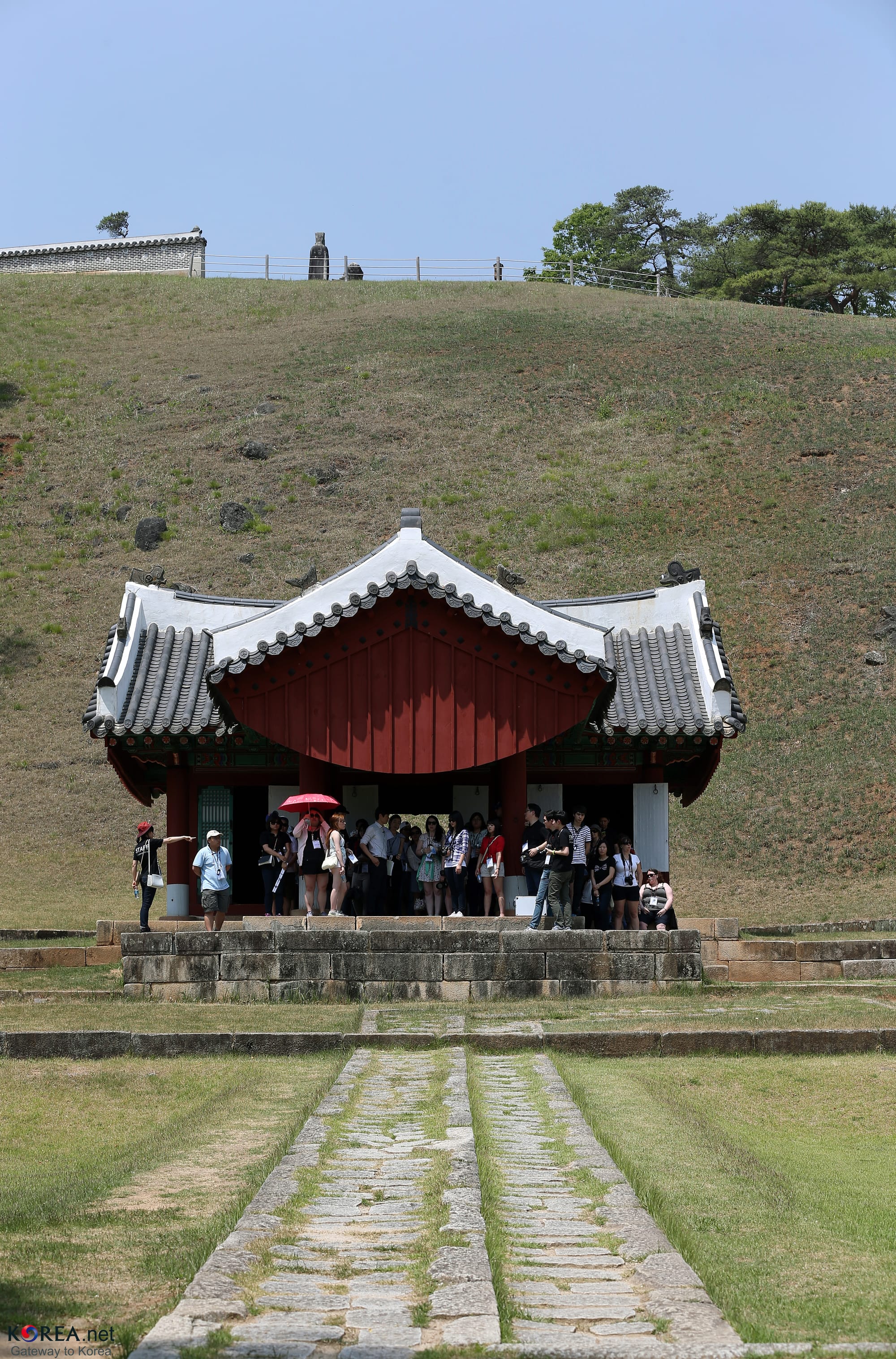
Beyond the controversy, the film’s popularity has coincided with heightened interest in Danjong and the Joseon era. Tourists and locals alike are engaging more with the historical background that the movie draws on, including sites tied to Danjong’s life and reign. In Gangwon Province, Yeongwol’s Jangneung, where Danjong’s memorial portrait hangs, has seen visitors linked to the film’s surge in attention.
In bookstores, the film’s lift in interest is measurable. Kyobo Book Centre in Seoul reports that from the film’s opening last month through this month, sales of books tied to the Joseon Dynasty Annals jumped about 2.9 times compared with the prior period. Titles featured among the top sellers include Seomin Seok’s Joseon Dynasty Annals, Park Young-gyu’s One-Book Guide to the Joseon Dynasty Annals, and Jo Ara’s The Annals as Told by the King, with particular focus on the Sejong, Munjong and Danjong volumes.
Online retailers show an even more pronounced spike. Yes24 reports that during the month since the film’s release, searches and sales under the keyword “Danjong” surged by about 2,565 percent year on year. A children’s history title, The Tears of a Little King, posted a jump of roughly 4,600 percent, landing among children’s most-bought books. The revival extended to literary history as well, with the 1920s Dong-A Ilbo serialized novel Danjong’s Love seeing renewed interest and publishers preparing new editions now that copyright considerations have expired.
Experts describe the trend as a positive byproduct of popular cinema: it rekindles public interest in Korea’s history and heritage. They also caution that the current wave risks being consumed in a test-focused environment where casual familiarity replaces deeper understanding of contexts, events, and longer historical processes.
For U.S. readers, the development is notable for several reasons. It underscores Korea’s cultural export strength—films that spark cross-media interest, from books to tourism to historical inquiry. It also signals potential opportunities for U.S. universities, publishers, and streaming platforms to engage more with Korean history content, from classroom use to broader audience programming, while highlighting the need for accessible, accurate historical education alongside entertainment.