Mahama to Chair AU Next Year, Champions Africa Health Sovereignty and Financing Reform
Ghana’s John Dramani Mahama, 67, told Yonhap News Agency in Seoul that he will chair the African Union in the coming year, as he governs again after winning in 2024 and taking office in January last year. The interview highlights Mahama’s long political arc and his stated priorities for Africa’s health and finance governance.
Mahama is a veteran figure in Ghanaian politics. Born in 1958 in Damango, in the country’s northwest, he is the son of Immanuel Adama Mahama, a prominent politician who held parliamentary roles and advised presidents. After earning a history degree in 1981, Mahama taught high school before pursuing further study abroad and then entering politics in the late 1990s.
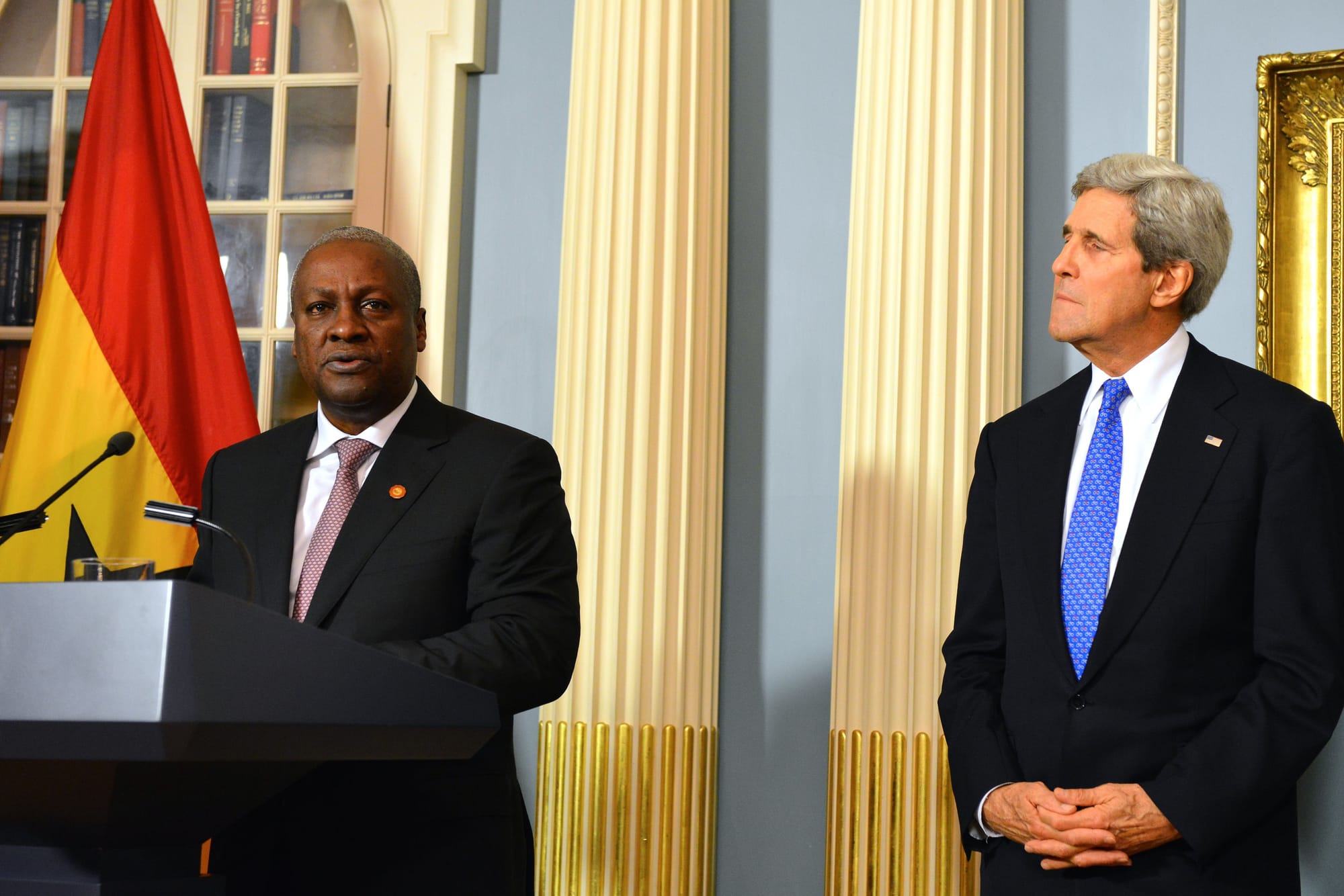
He was elected to Parliament in 1996 and held senior roles in communications, including ministerial posts. He emerged as the running mate to John Atta Mills and became vice president in 2009. When Mills died in 2012, Mahama ascended to the presidency, won the subsequent ballot, and served a full term from 2012 to 2016. After defeats in 2016 and 2020, he secured victory again in 2024 and assumed office in January of the following year.
Internationally, Mahama is viewed as a friend of South Korea, having visited Korea four times. He met South Korea’s leaders during Mills’ era and again in subsequent years, including a 2010 visit as vice president to meet President Lee Myung-bak. He personally uses a Hyundai Genesis as his official vehicle and has appointed a Korean-descended Ghanaian diplomat as ambassador to Seoul, signaling close bilateral ties.
In Davos and at the United Nations General Assembly, Mahama has pushed Africa toward greater self-reliance in health and development funding. He described the Accra Reset, a concept he led at the World Economic Forum, as a plan to secure health sovereignty for Africa and to build the capacity to finance health decisions domestically, especially as Western aid scales back. He argued that African nations must mobilize internal resources and financial strength to sustain health systems rather than rely solely on external aid.
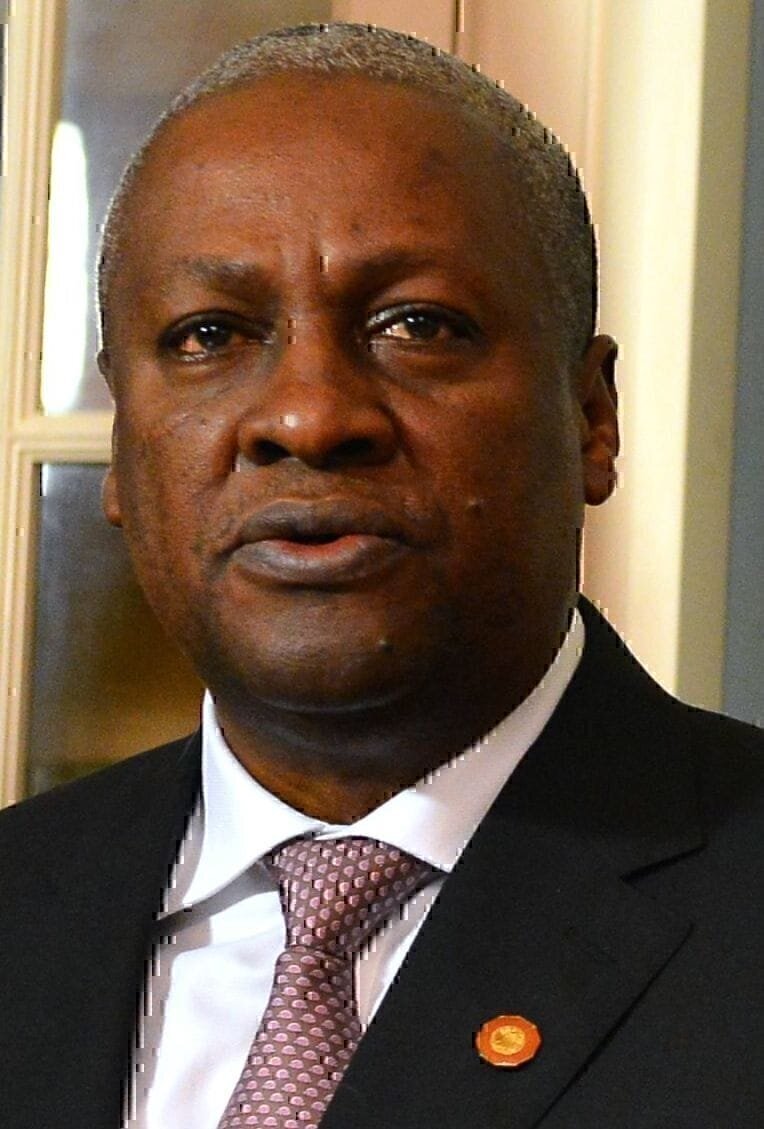
Mahama has also criticized the current pattern of foreign exchange reserves staying abroad, urging that funds be redirected to Africa to secure affordable borrowing. He calls for a continental financing framework, including the creation of an Africa-led IMF, to help respond to crises with affordable funding and more control over macroeconomic policy.
For U.S. readers, the implications extend beyond Ghana. As Africa rises as a focal point for global growth, health security, and technology investment, leadership that favors self-reliance in health financing and regional financial institutions could influence how Western partners, including the United States, collaborate on aid, trade, and investment. Mahama’s leadership of the AU next year positions him to shape continental cooperation on key issues from vaccine manufacturing and health supply chains to regional finance and development architecture. The symbolic diplomacy of a Ghanaian-Chinese and Korean-linked leadership also signals how Africa seeks to diversify partnerships in a shifting global order.