Korea, Japan launch regular policy dialogue on LNG and supply chains
In October last year, South Korea’s Minister of Trade, Industry and Energy, Kim Jung-kwan, and Japan’s Economy, Trade and Industry Minister Akazawa Ryosei met in Tokyo and agreed to establish a regular joint channel between their ministries to coordinate responses to global supply-chain crises.
The talks prioritized LNG cooperation as energy supply concerns rose amid ongoing tensions surrounding the United States and Iran. Kim attended the First Indo-Pacific Energy Security Ministers’ Meeting in Tokyo and held a bilateral meeting with Akazawa on the sidelines.
Both sides agreed to create a regular platform, the Korea-Japan Industrial and Trade Policy Dialogue, to review and manage cooperation across trade, economic security, supply chains, steel, and mineral resources. The aim is to strengthen and align policy approaches in these overlapping areas.
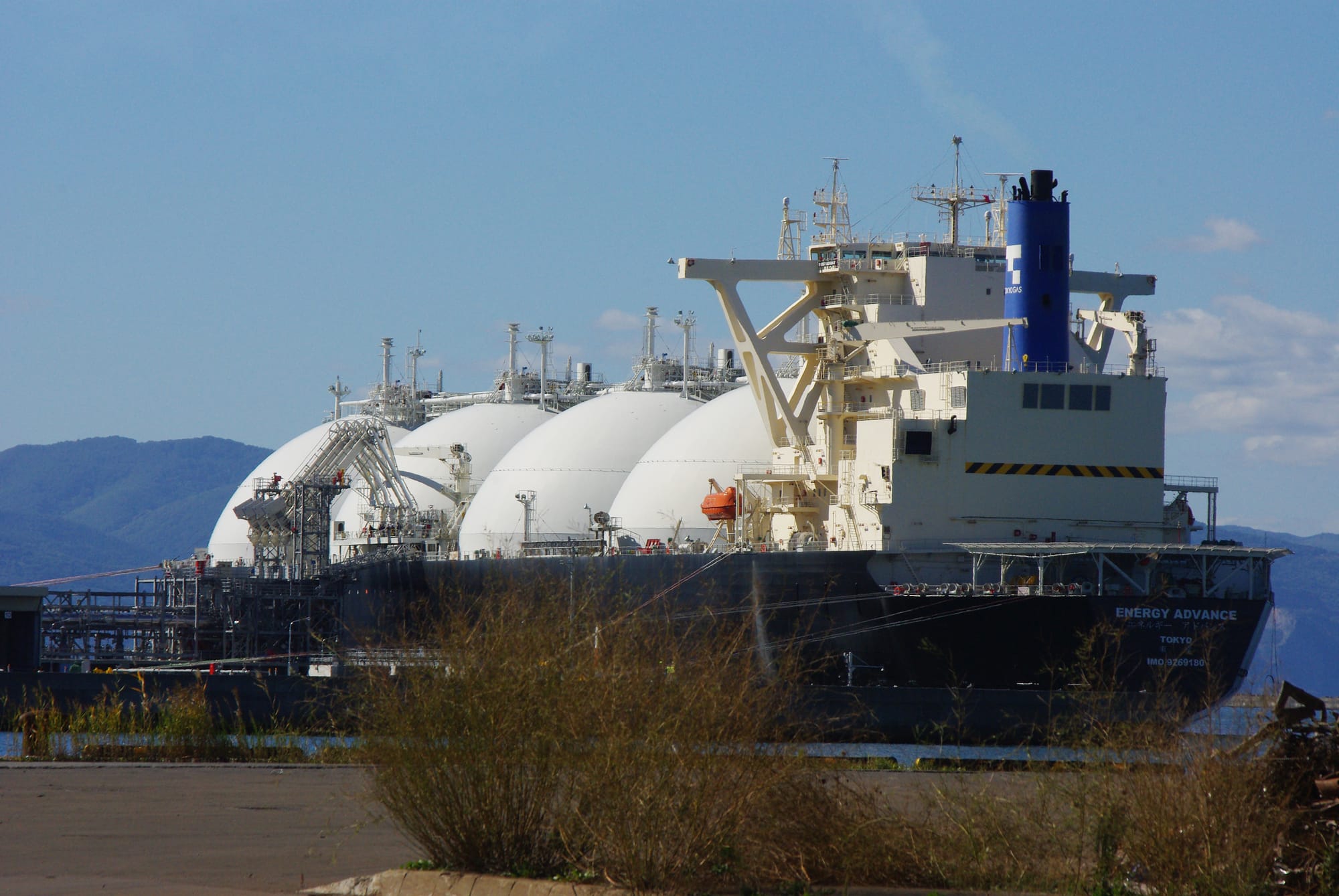
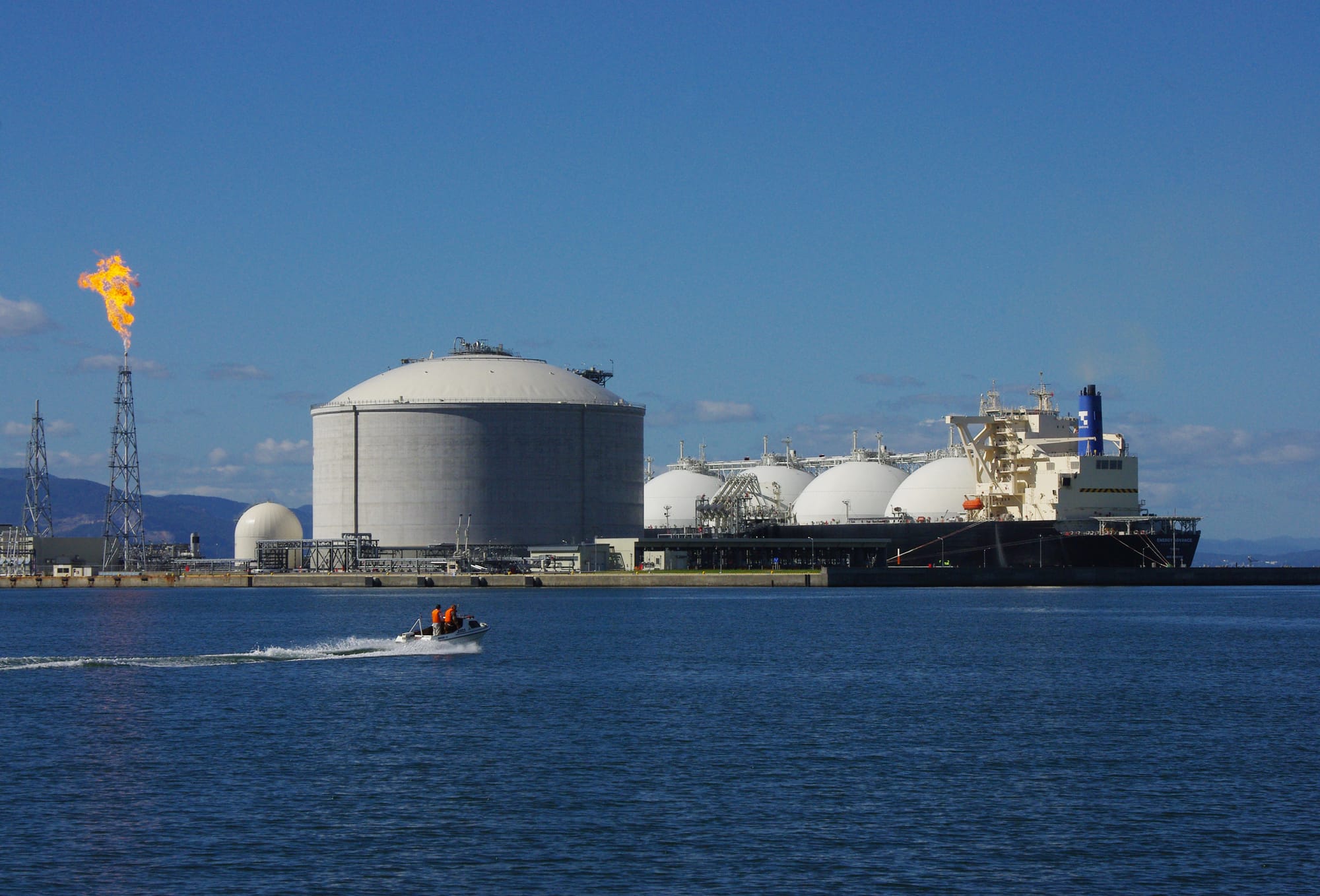
Ahead of the discussions, the two countries stressed the importance of LNG supply stability since both are major LNG importers. Korea Gas Corporation (KOGAS) and Japan’s energy company JERA signed an LNG supply cooperation agreement that includes LNG swaps as part of the arrangement. Industry officials say the pact helps establish a framework for joint responses to LNG supply disruptions.
The leaders also signed a Korea-Japan Supply Chain Partnership (SCPA) to reinforce mutual cooperation during supply-chain disruptions. Under the agreement, the nations would notify each other of disruption indicators and, upon request, hold emergency meetings within five days if a disruption occurs.
The agreements also call for avoiding measures that could negatively affect mutual supply chains and for cooperation on joint exploration and investment in critical minerals, as well as sharing global market monitoring information.
Kim stressed that amid a reshaping global trading order and increased energy and resource volatility, Korea and Japan—both aligned in policy goals—are coordinating closely. He said he hopes to advance a forward-looking, mutually beneficial industrial and trade relationship on the 60-year basis since their diplomatic normalization.
Context for U.S. readers: LNG markets are global, and disruptions in Major importers like Korea and Japan can influence prices and supply chains worldwide. The agreements underscore how close coordination between two key regional partners can affect energy security, supply-chain resilience, and commodity markets that feed into U.S. manufacturing, infrastructure, and energy planning. The developments also reflect broader regional efforts to strengthen energy security and economic coordination in the Indo-Pacific.