Iran's Kharg Island, vital oil hub, guarded as Hormuz tensions rise
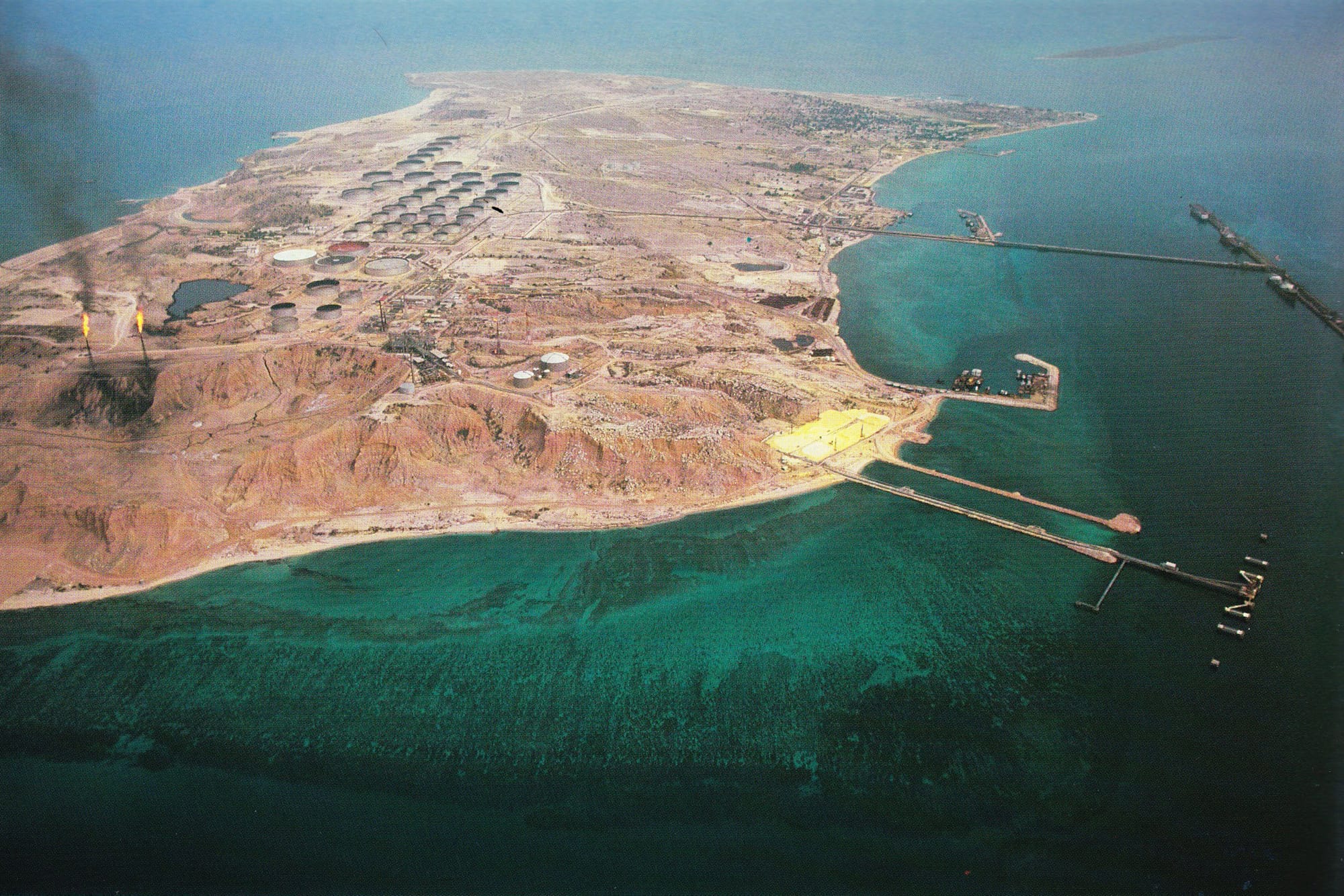
Kharg Island, a coral island off Iran’s coast, measures about 8 kilometers in length and 4 to 5 kilometers in width, with an area of roughly 22 square kilometers. It sits about 28 kilometers from the Iranian mainland in deep waters that can accommodate ultra-large crude carriers. The island has long been Iran’s oil export hub, handling a large share of the country’s crude shipments, and it is widely described as a critical nerve center of Iran’s oil industry.
Security on Kharg is reported to be highly stringent. The island is ringed by steel walls and guarded by lookout towers, with the Islamic Revolutionary Guard Corps maintaining tight surveillance and security. The protective measures underscore the island’s importance to Iran’s energy and economic interests.
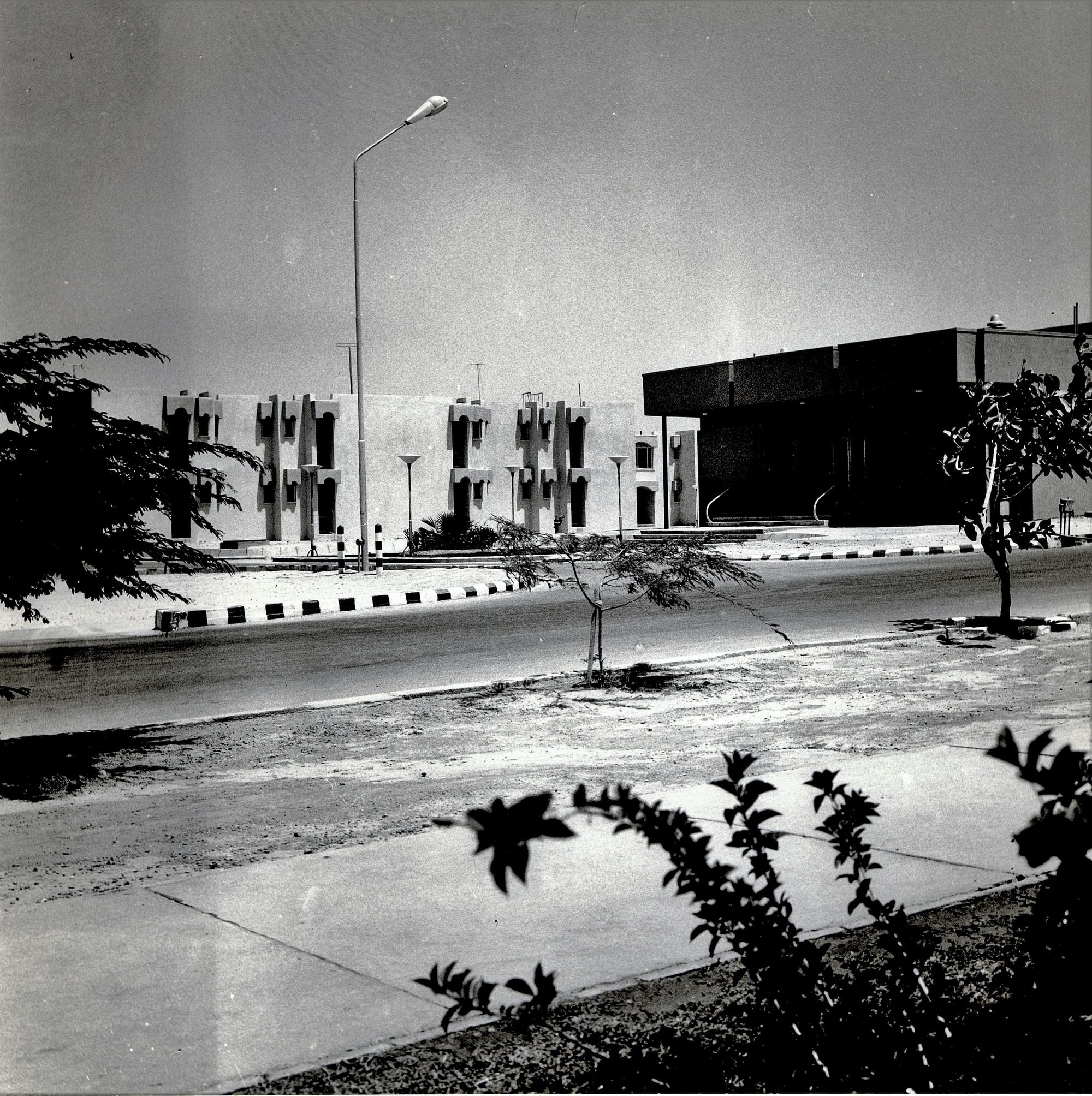
Kharg’s development dates to the 1960s when Amoco, then Standard Oil Company of Indiana, built facilities there. Historically, the island’s loading capacity peaked at about 7 million barrels per day, but Iran’s national oil exports have since fallen, with current total exports around 1.6 million barrels per day. Kharg remains a site that also manages volumes to meet domestic demand.
Analysts cited by CNBC have said that attacking or seizing Kharg would likely require ground troops, making it a major military commitment. Some estimates put the needed force at around 5,000 troops, and such action would be expected to push global oil prices higher.
Meanwhile, reports attributed to the current U.S. administration outline a trajectory in which the United States could target Iran’s energy infrastructure if pressure on Hormuz shipping persists. A focus on military facilities on Kharg was described as a priority, with the possibility of striking energy facilities if disruption to Hormuz shipping continues.
In the United States and globally, Kharg Island’s significance goes beyond Iran. The island sits at the heart of Iran’s oil-export network, and disruptions here could tighten global crude supply, influence energy prices, and affect supply chains for American refiners and consumers. The Strait of Hormuz, adjacent to this basin, is a key transit chokepoint for a substantial portion of world oil trade, making developments around Kharg relevant to U.S. energy security, sanctions policy, and regional security dynamics.