U.S. Refueling Aircraft Crashes in Western Iraq; Four Dead, Other Lands in Israel
An air-refueling aircraft of the U.S. military crashed in western Iraq on the 14th local time, during operations associated with the aircraft carrier USS Abraham Lincoln, the U.S. Central Command said on X.
Four of the six crew members aboard were confirmed dead, and rescue efforts were ongoing, CENTCOM added.
Two aircraft were involved in the incident: one crashed in western Iraq, and the other made an emergency landing at Ben Gurion Airport in Israel, according to CENTCOM.
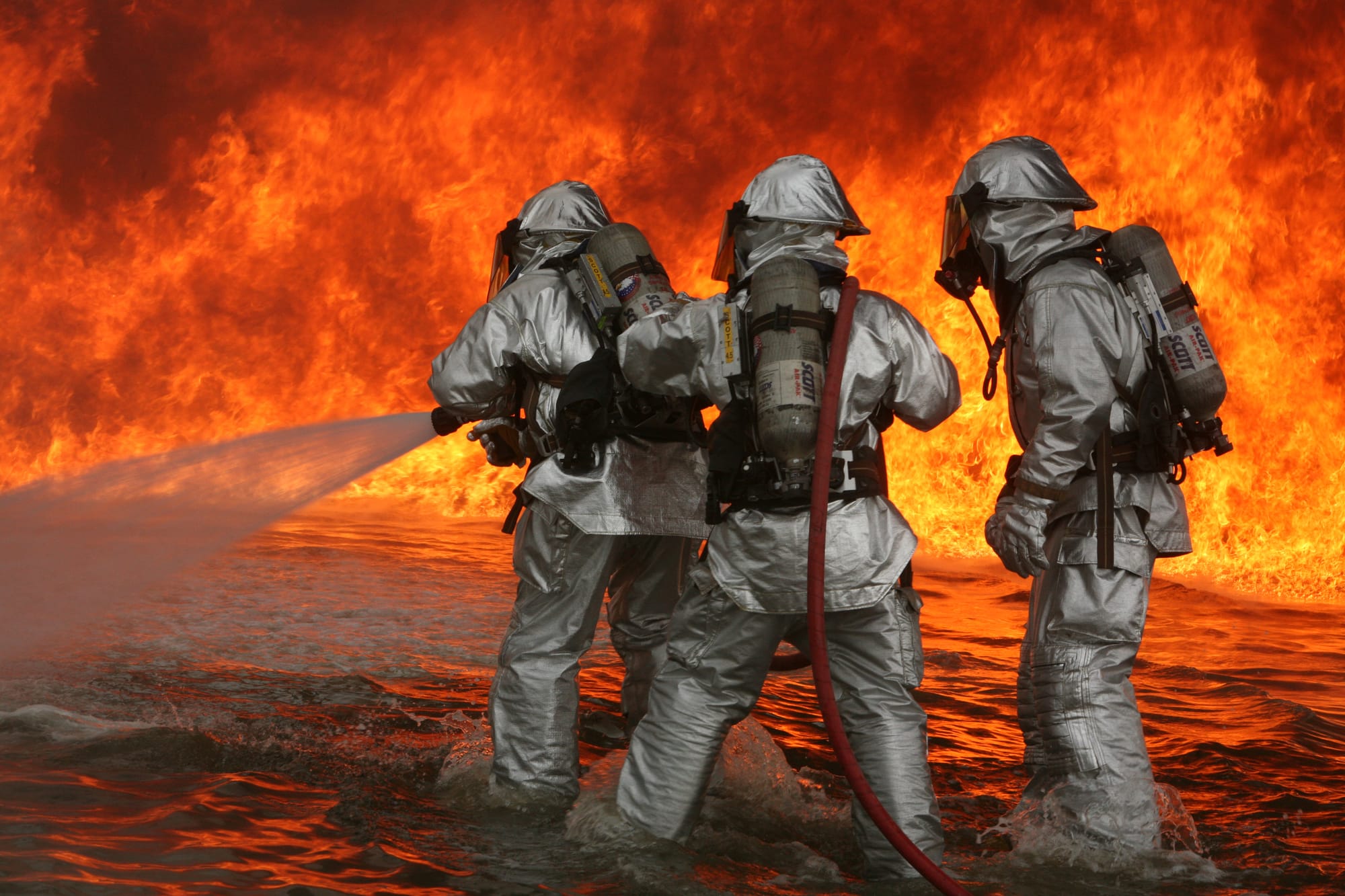
CENTCOM said the incident occurred in friendly airspace during Operation Grand Fury, and that the cause was not the result of enemy attack or misidentification. It promised to release additional information as the situation develops.
The crash highlights the risks faced by U.S. forces conducting air operations in the Middle East, where carrier strike groups rely on aerial refueling to extend air power in the region and around Iran.
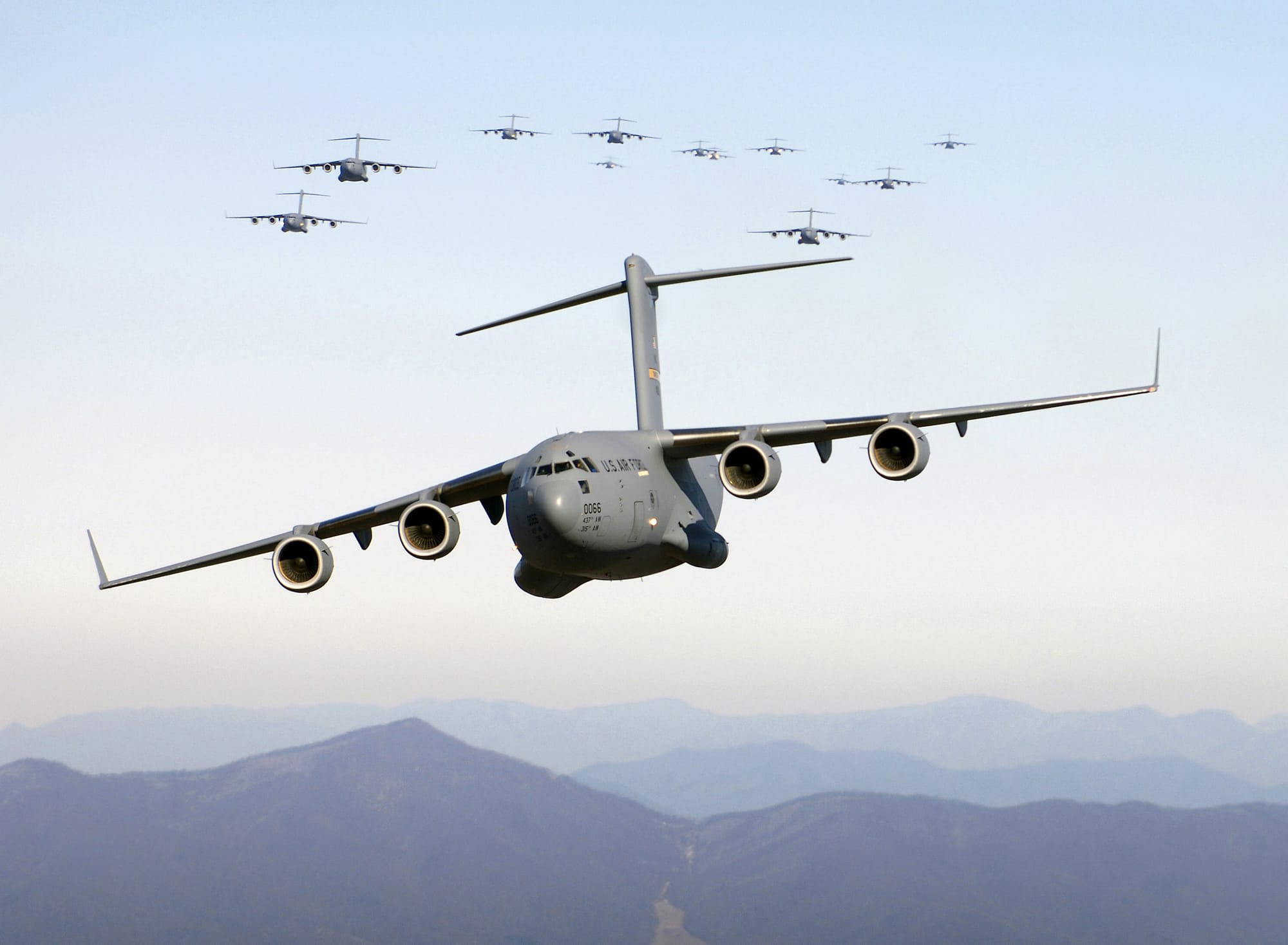
The USS Abraham Lincoln is a Nimitz-class aircraft carrier based in Norfolk, Virginia, that has been deployed to support operations in the broader Persian Gulf area and near Iran.
Ben Gurion Airport serves the Tel Aviv area and is Israel’s main international gateway, illustrating how events in one part of the region can involve allied security coordination and shared airspace considerations.
For U.S. readers, the incident matters for defense readiness, alliance cooperation, and regional stability, including how air-refueling capabilities and ongoing operations in the Middle East may affect U.S. military posture and risk management in a volatile security environment.