South Korea's Wangsa-nam boosts Danjong tourism in Gangwon Province
Cities in Gangwon Province are turning the regional tale of Korea’s fifth king, Danjong, into a film-driven tourism push centered on the blockbuster movie Wangsa-nam, which opened in early March and has accumulated more than 12 million admissions. In Yeongwol, sites tied to Danjong’s exile and death—Cheongnyeongpo, Jangneung, and Gwanpungheon—have drawn sizeable crowds, with about 120,000 visitors to those sites this year as of March 12.
The surge is being used to market nearby attractions linked to the Danjong story, and local authorities note the film’s popularity is translating into real tourism gains for Yeongwol and its surroundings. Businesses around Gwanpungheon have been designated as food-safety trusted establishments by the Ministry of Food and Drug Safety (MFDS) after the influx, while Yeongwol Central Market received recognition as Gangwon Province’s first “food-safety district.”
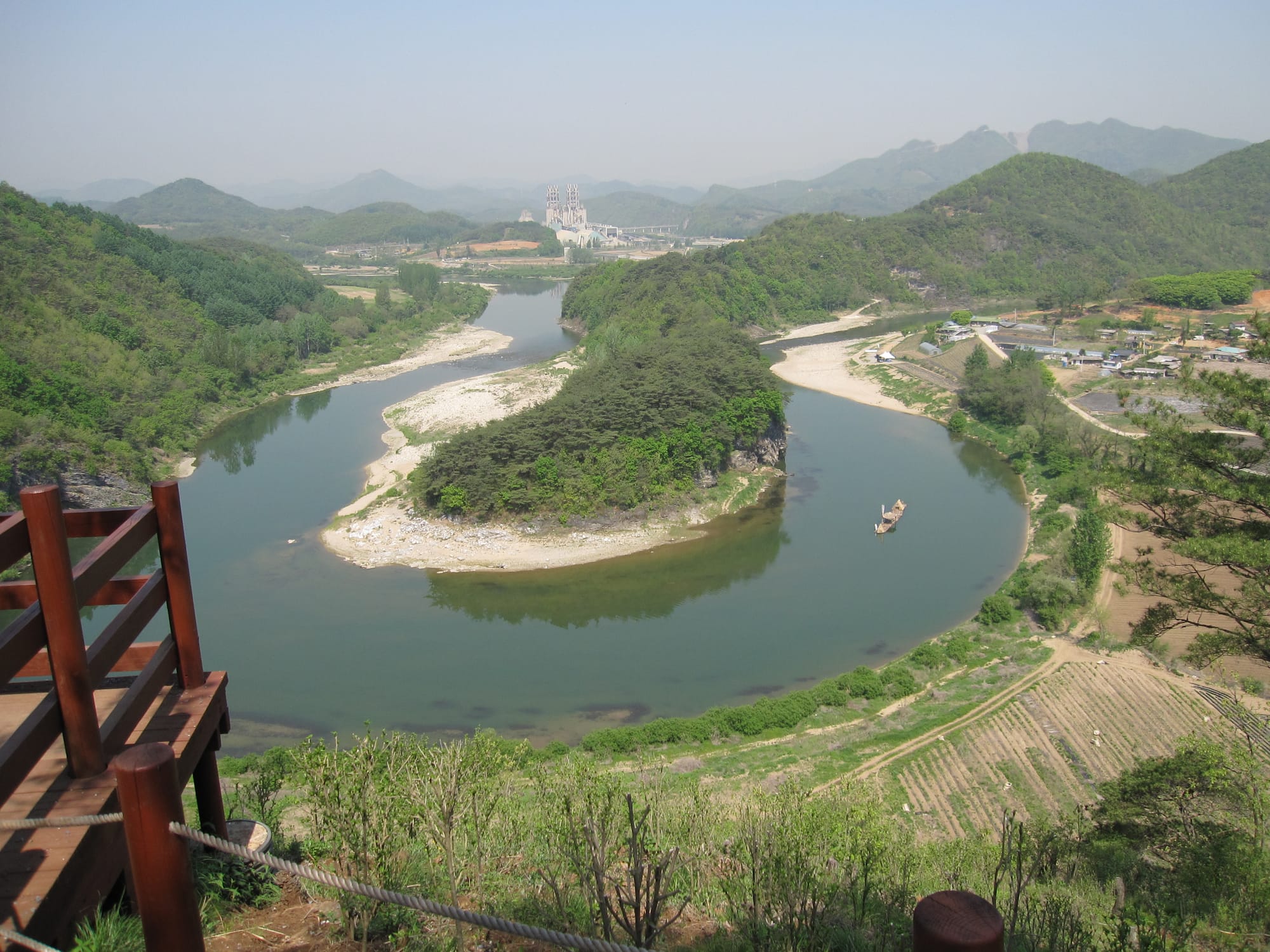
neighboring cities are piggybacking on the trend. Taebaek’s 365 Safe Town safety experience center is running a Danjong-themed event titled “Yeongwol’s King, Taebaek’s Guardian,” offering free cable car rides and other experiences to visitors who show admission receipts or tickets from Cheongnyeongpo or Jangneung. The city aims to attract travelers from Yeongwol to explore Taebaek’s own related sites, including the Danjong memorial pavilion.
Wonju is planning to capitalize on the markings of Danjong’s exile route as well. The city expects the 22nd Wonju Love Walking Festival, scheduled for August 26–30, to feature a Danjong exile-path trekking program within Wonju, under a provisional title that translates to the Danjong Exile Path Trekking, Wonju section.
Pyeongchang, which hosts part of the well-known Dongmakgol filming locations, has also joined the promotional effort. The Welcome to Dongmakgol site in Mitan-myeon is now being highlighted as a key filming location associated with Wangsa-nam, specifically noting spots tied to the film’s early 2000s-era action and lore.
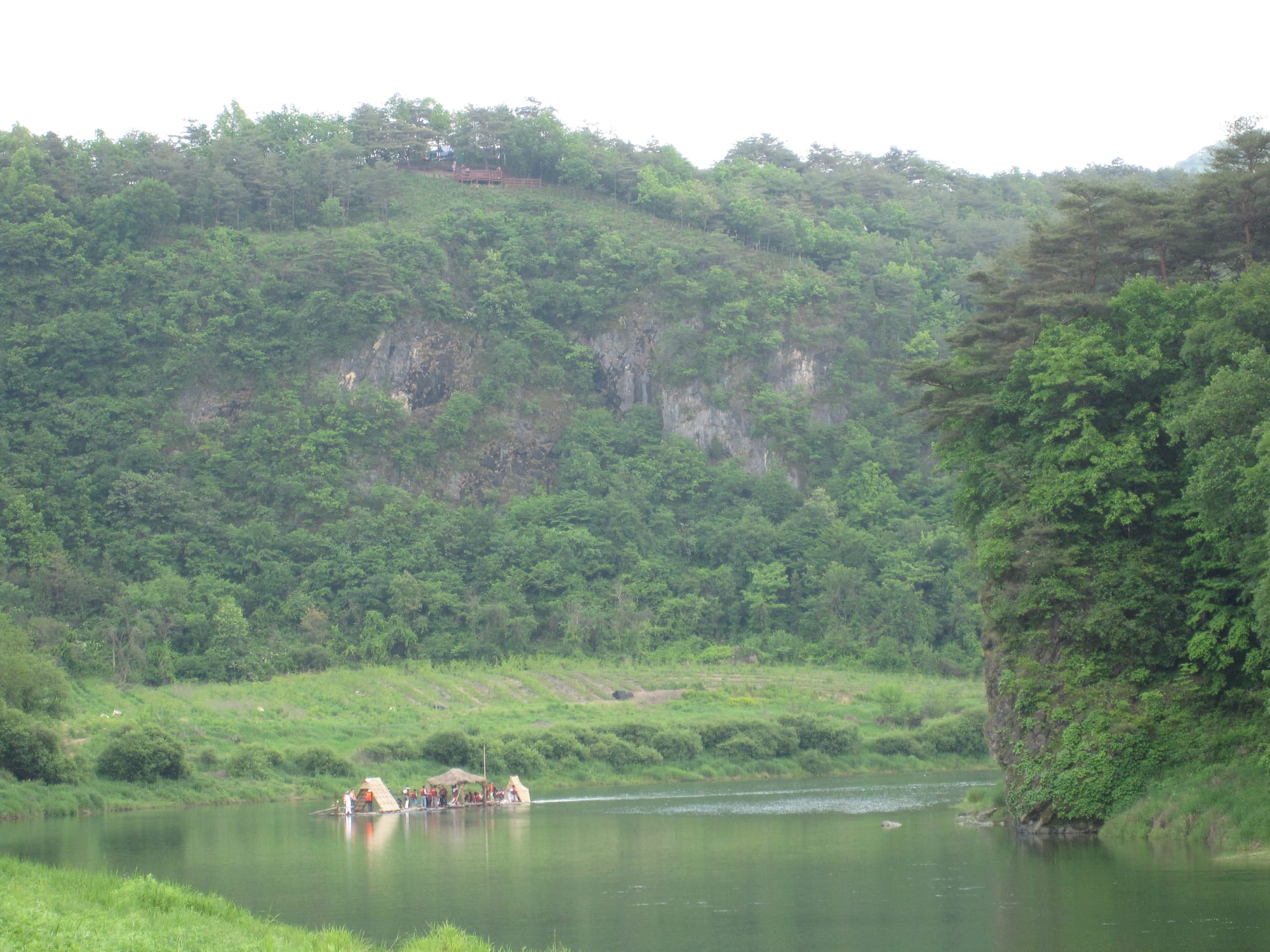
Officials say the Wangsa-nam success has energized regional tourism and prompted neighboring cities to reorganize attractions and itineraries to capture spillover visitors. They emphasize a coordinated approach to link multiple Danjong-related sites and filming locations to create a broader “Danjong route” that can sustain tourist interest beyond the film’s initial surge.
For U.S. readers, the episode illustrates how a single Korean film can catalyze regional development and cross-border cultural interest. Film-induced tourism can boost local hospitality and transport sectors, expand cultural exports, and provide test cases for how American audiences might engage with Korean cinema through tours, streaming catalogs, and collaborative marketing. It also highlights how governments use heritage and cinema to diversify regional economies, create new marketing channels for destinations, and strengthen supply chains that support travel, hospitality, and experiences tied to popular culture.