Jeju Island fishing vessel sinks after blaze; two Korean sailors missing
Jeju, South Korea — A 29-ton fishing vessel named A-ho caught fire and sank about 90 kilometers southwest of Cha Gui Do, off Jeju Island, on March 14. The ship carried 10 crew members, four Koreans and six Indonesians; two Korean sailors, both in their 50s, were reported missing.
Fire officials said the blaze intensified quickly after the fire was reported around 10 a.m. Local time, with the hull about 80% burned by about 10:50 a.m. The Coast Guard and other agencies fought the fire for about seven hours, with extinguishing achieved around 4:53 p.m., but the vessel then sank at about 5:44 p.m. The hull’s fiber-reinforced plastic construction is believed to have hindered firefighting efforts.
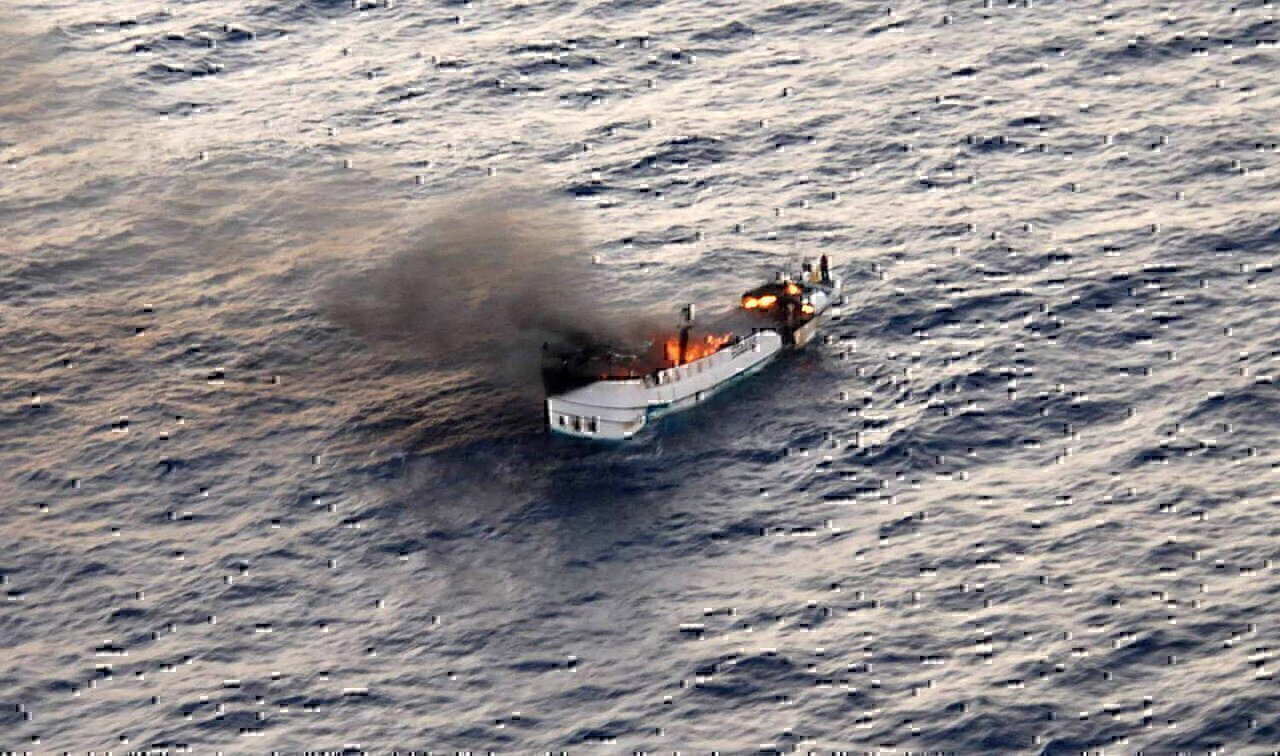
Eleven vessels and three helicopters were mobilized to fight the fire. The A-ho's crew included four Koreans and six Indonesians. Witnesses said two Korean sailors, both in their 50s, remained inside the vessel and could not escape as the fire spread.
Eight crew members were rescued by nearby fishing boats: two Koreans and six Indonesians. Four Indonesian crew members who inhaled smoke were airlifted to a hospital in Jeju City. The remaining four survivors were scheduled to be brought to Jeju Port later that night by a Coast Guard patrol boat; those four were reported to be in good health.
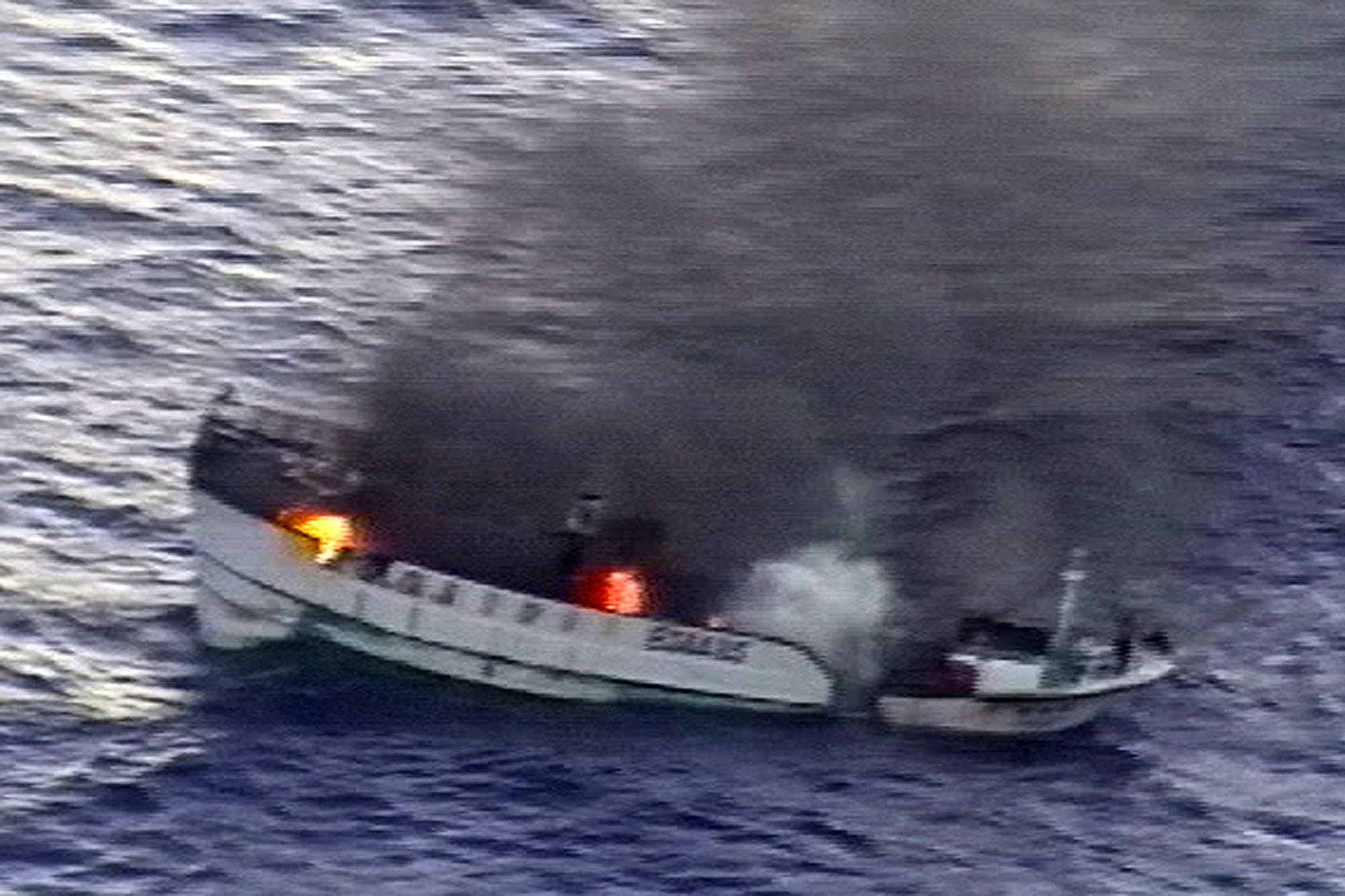
The Jeju Coast Guard said they would continue the search operation around the disaster area into the night and into the following day, deploying additional resources as needed. The exact cause of the fire remains under investigation.
This incident centers on Jeju’s busy southern maritime region, where small, fiberglass-hulled fishing vessels are common. For international audiences, it underscores persistent safety challenges faced by regional fishing fleets, the reliance on migrant labor aboard many Korean-flagged vessels, and the potential implications for seafood supply chains that reach U.S. markets. South Korea’s Coast Guard and naval authorities routinely coordinate safety and search-and-rescue missions in these waters, reflecting the broader international interest in maritime safety, crew welfare, and cross-border labor practices in East Asia.