Seoul Sogong Building fire injures 10, triggers evacuations and road closures
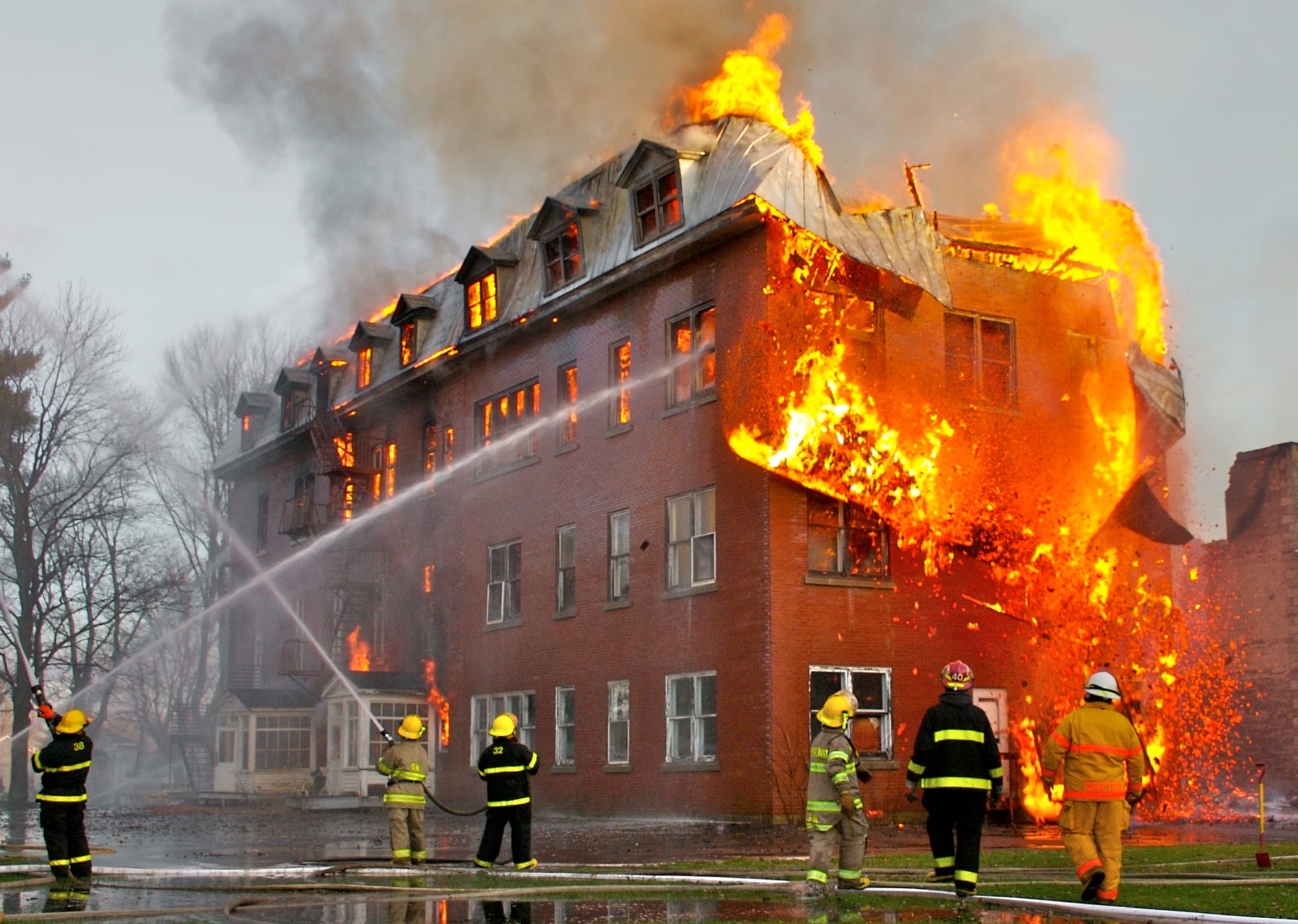
A fire broke out on the third floor of the Sogong Building, located at 81 Sogong-ro in Jung-gu, central Seoul, on March 14 at about 6:10 p.m. Local police and firefighters reported dense smoke filling the area as crews moved to control the blaze.
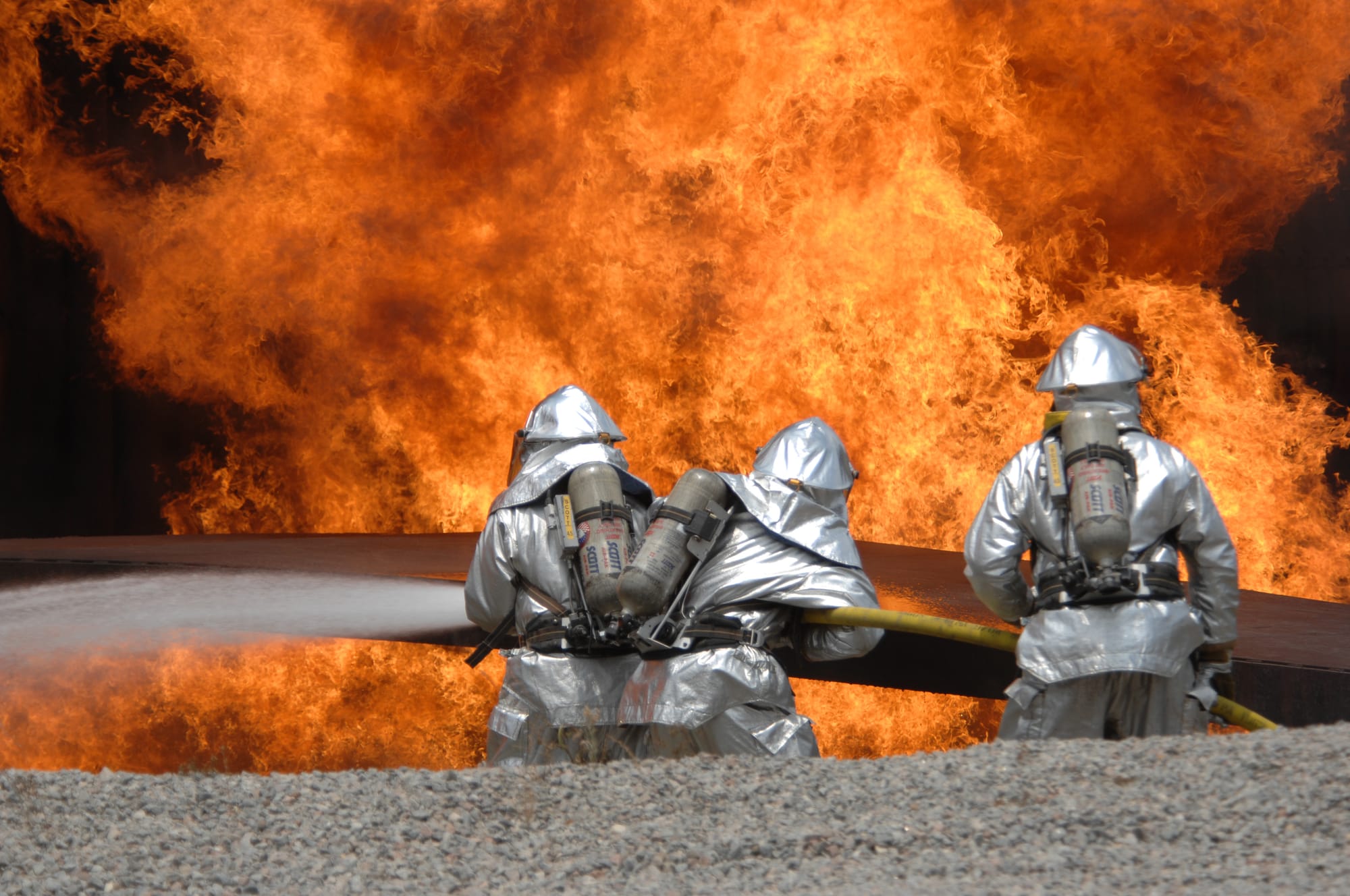
Fire officials have issued a Level 1 response and are concentrating on suppressing the flames. The Jungbu Fire Department and Jung-gu District Office said they are working to bring the fire under control while evacuations and traffic control are underway in the vicinity.
Ten people were injured in the incident: two are in serious condition and eight sustained minor injuries, according to the authorities. The spokespersons indicated there were no confirmed fatalities at the time of the report.
The fire began in a guesthouse on the third floor of the Sogong Building. The building houses commercial space and lodging on upper floors, and the surrounding area has been affected by smoke and heat as responders work to extinguish the fire.
Road access to the area is restricted. Detours are in place, with specific closures along Sejong-daero 18-gil from the City Hall junction to Namdaemun-ro 7-gil, and along Sogong-ro near Daemun Gate to Namdaemun-ro 7-gil and the Sogong Building itself.
The Jung-gu District Office has issued safety advisories, asking residents and commuters to wear masks to reduce smoke inhalation and to use alternate routes. Local authorities are urging people in the area to stay clear of the scene.
Why this matters beyond Korea: Seoul’s central business district is a hub for multinational companies, government offices and international travel. A significant fire and related road closures can disrupt meetings, late-stage travel plans, and regional supply chains that depend on quick access to Seoul. For U.S. businesses with operations or partnerships in Korea, the incident underscores the importance of contingency planning for urban disruptions, safety protocols in high-occupancy buildings, and monitoring local emergency responses.