Wall Street Journal: Trump Briefed on Iran Blocking Hormuz, Approved Strike Plan
The Wall Street Journal reported that President Donald Trump was briefed in advance about the possibility that Iran would block the Hormuz Strait, yet approved an attack anyway. The report says Trump believed Iran would capitulate before blocking the waterway or that U.S. forces could manage the situation if it occurred. Dan Main, identified in the article as the chair of the U.S. Joint Chiefs of Staff, was said to have warned repeatedly that Iran could try to seal the strait with mines, drones and missiles.
Before any strike, officials discussed measures to protect sea lanes, including Navy escorts for oil tankers passing through Hormuz. The aim would have been to maintain critical energy shipments even as the United States prepared for broader actions.
Defense Department officials, however, warned that the war could be protracted and that, if Iran’s coastal defenses were not destroyed, U.S. ships escorting tankers could become targets. The concern highlighted the risk of wider confrontation and retaliation at sea.
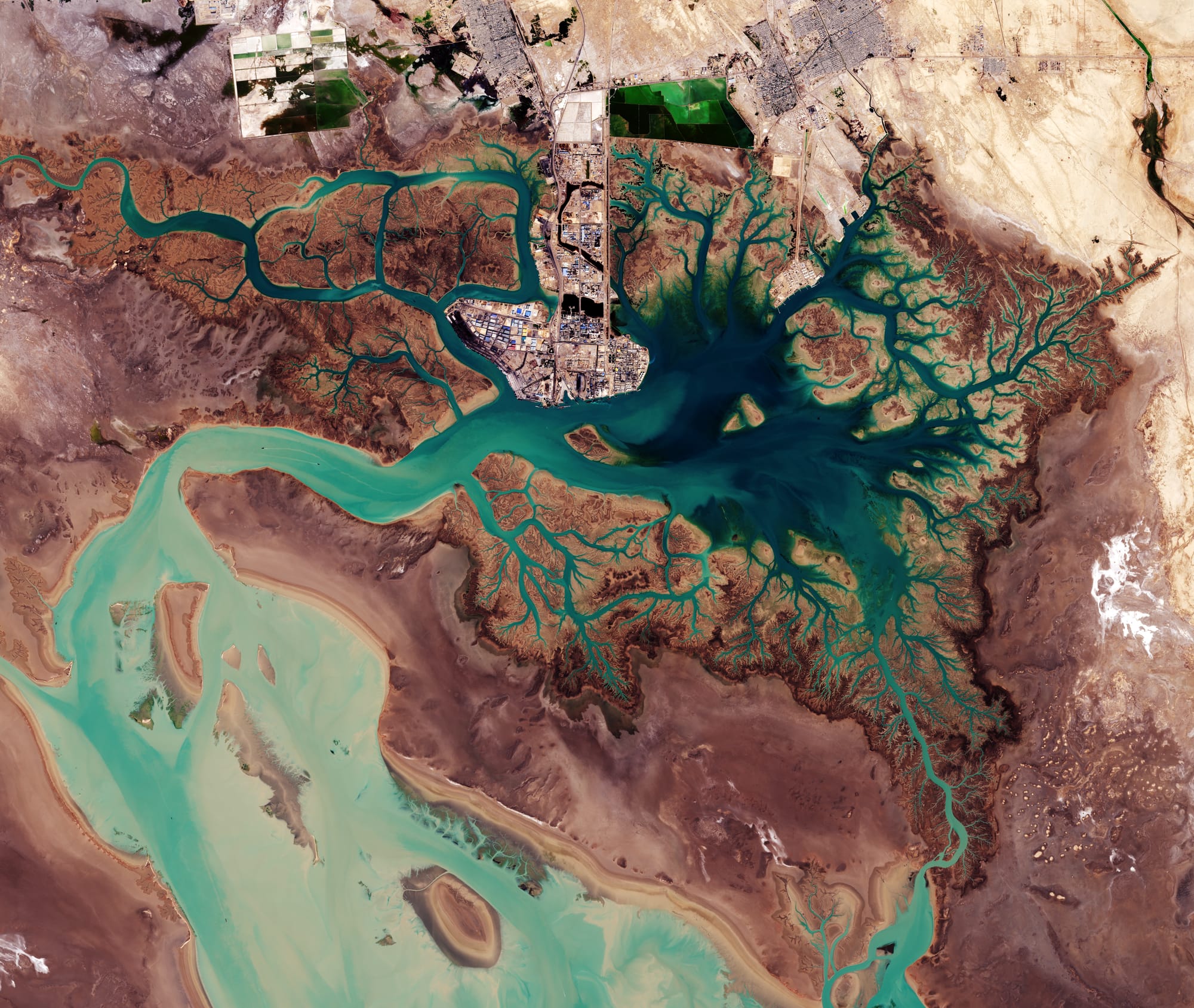
U.S. officials have suggested the conflict could last for several weeks. The Hormuz Strait channels roughly 20% of the world’s oil shipments, making any disruption—including a closure or heavy military action—a potential shock to global energy markets and economies.
The decision to move forward in the discussed scenario reflected a high degree of confidence in U.S. military power. Trump’s trust in Dan Main and the broader armed forces reportedly grew after last year’s strike on Iran’s nuclear facilities and the January operation to arrest Venezuela’s President Nicolás Maduro, according to the Journal.
The planning process, the WSJ notes, involved only a small circle of advisers, including Vice President JD Vance, Secretary of State Marco Rubio, and Defense Secretary Pete Hegsetes, with other Middle East officials and diplomats not told of the war-planning details and learning of them only through reporting after the strikes began.

Some Middle East officials and foreign diplomats said they were kept out of the loop on the planning and learned of the war plans only through media coverage after the attacks started. The degree of internal coordination and information sharing described in the report underscores how narrow the circle of decision-makers reportedly was.
Public opinion inside the United States regarding a conflict was not strongly favorable, according to the Journal. Trump allies reportedly cited polling suggesting support among conservative voters to reassure the president about the political risks of military action.
For U.S. readers, the episode underscores how a disruption of Hormuz—one of the world’s most strategic chokepoints for oil—could reverberate through American energy security, market stability, and global policy. The Hormuz Strait’s control over a large share of oil shipments has long shaped U.S. diplomacy, alliance posture in the Middle East, and considerations of deterrence, escalation, and potential diplomacy in the region.