Fire on Jeju fishing boat leaves two missing as coast guard battles blaze
A fishing vessel registered in Hallim, Jeju Island, caught fire on March 14, about 90 kilometers southwest of Chagi-do, in the seas off Jeju. The nearshore gillnetter Aho, a 29-ton vessel with 10 crew members, reported the blaze at 9:58 a.m. local time.
Eight crew members were rescued by nearby fishing boats, with two others believed to still be inside the vessel. The fire left more than 80 percent of the hull damaged, and interior access to the craft was deemed unlikely at the scene.
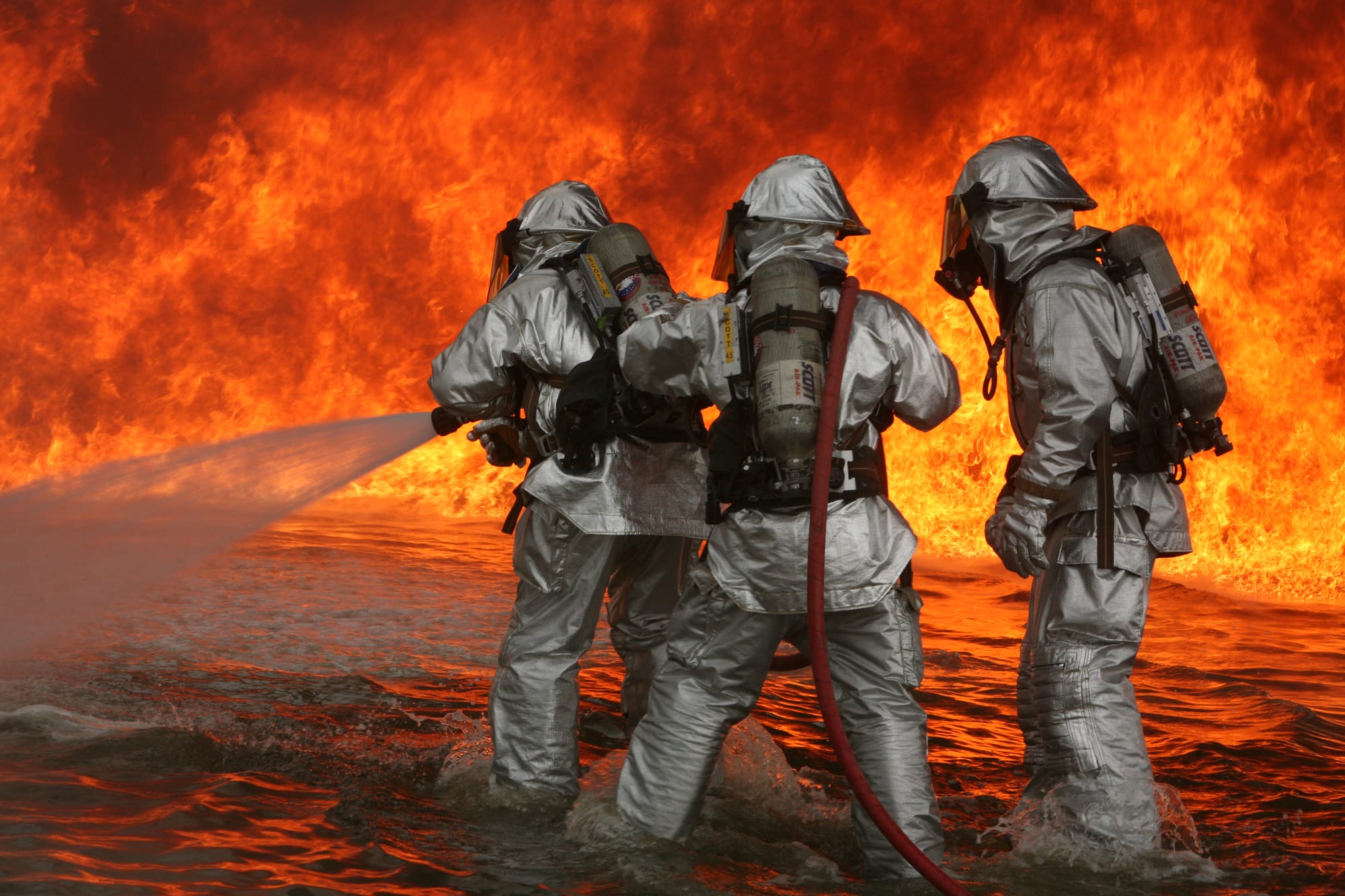
The Jeju Coast Guard dispatched a helicopter, a 3,000-ton patrol ship, and fast landing crafts to suppress the fire. Firefighting equipment on board and from the responding vessels was used, but entry to the vessel’s interior remained difficult while the flames continued to burn.
Once officials confirm the fire is under control, they plan to conduct a search-and-rescue operation for the two remaining crew members inside. Some of the rescued foreign crew members reported chest pains and were evacuated by helicopter to a hospital.
Kim Seong-beom, acting minister at the Ministry of Oceans and Fisheries, ordered the full mobilization of rescue resources to maximize the chances of saving lives.
For U.S. readers, the incident underscores ongoing safety risks in South Korea’s southern fishing grounds, which are crucial to regional seafood supply chains. It also highlights the close cooperation between fishermen, coast guard authorities, and medical responders in maritime emergencies, and the international labor presence on East Asia’s fishing fleets. Disruptions to small-boat fisheries in this area can have downstream effects on seafood markets and related supply chains, including those linked to U.S. importers and consumers.