Rising CKD Burden in South Korea Tests Global Dialysis Travel and Care Coordination
Chronic kidney disease is a growing health challenge in South Korea. The kidney’s roles include waste removal, fluid and electrolyte balance, acid-base control, blood pressure regulation, activation of vitamin D, and red blood cell production. When kidney function declines for more than three months or there is structural damage, CKD can progress toward end-stage kidney disease, which may require dialysis or kidney transplantation. The higher the disease stage, the more likely patients will experience swelling, anemia, and high potassium, with deteriorating kidney function.
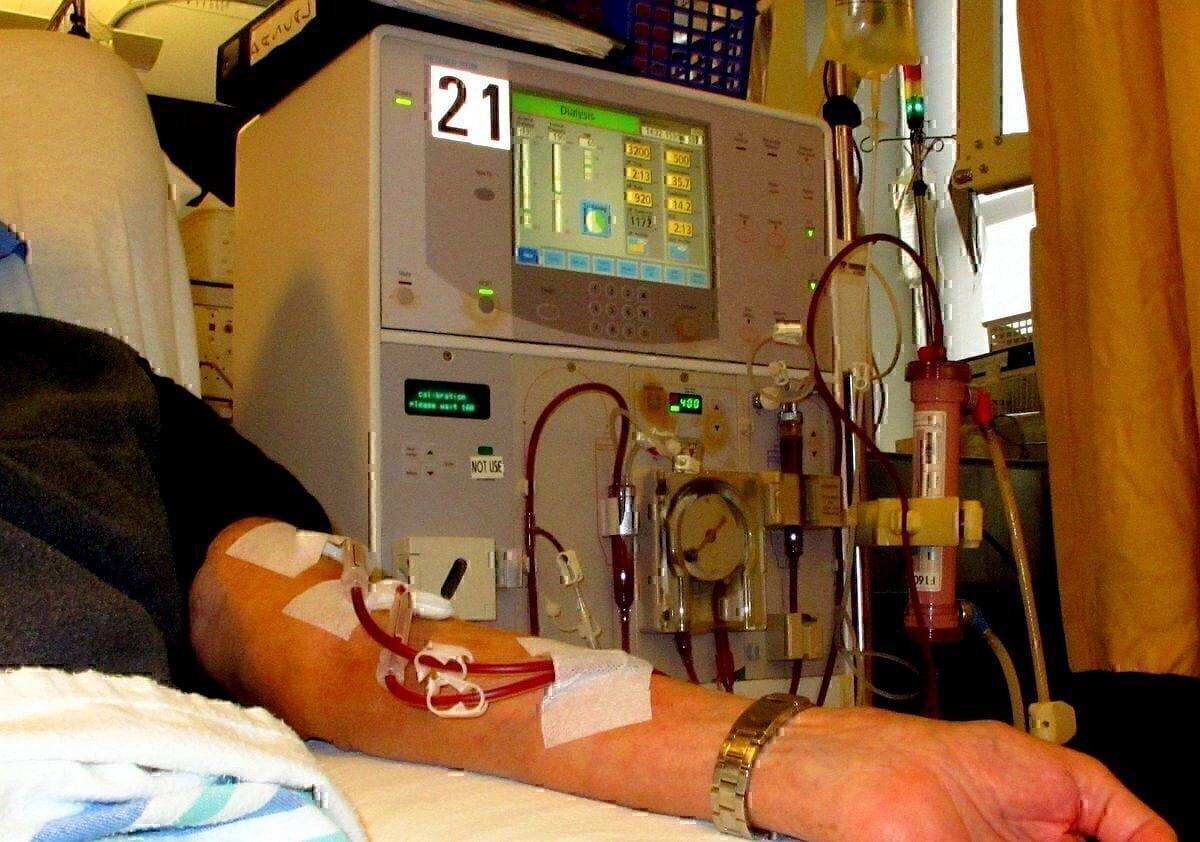
The Korean Society of Nephrology’s End-Stage Kidney Disease Fact Sheet for 2024 notes that about 120,000 people in Korea are on dialysis. As Korea’s population ages and diabetes rates rise, the number of chronic kidney disease patients has continued to grow. Most dialysis patients in Korea receive hemodialysis three times a week at hospital-based centers, with sessions typically lasting around four hours. This routine exposure to hospital care can constrain long-distance travel and tourism.
For patients planning domestic travel, the most important step is aligning travel with dialysis schedules. When traveling, patients should first locate a nearby facility capable of providing dialysis and make advance arrangements. The Korean Society of Nephrology offers an online service to help find dialysis units, and doctors advise contacting the destination clinic ahead of time to confirm availability and timing.
Overseas travel adds additional complexity. Patients are advised to work with their treating physician to coordinate dialysis at the destination, bring essential medical documents, and ensure all necessary paperwork is in order. Before travel, patients should collect dialysis records, laboratory results, and referral letters, and obtain an English-language diagnosis if traveling abroad. Sharing medical data with the local healthcare team helps tailor treatment, and travelers should confirm medication supplies and local emergency contacts in advance.
Peritoneal dialysis, including automated PD, can ease travel for some patients. Those using automated PD may switch to manual PD during travel to maintain treatment continuity. PD fluids can sometimes be shipped to the travel destination, with domestic deliveries being more straightforward and some overseas providers offering international shipment services. Patients should verify delivery options with their PD supplier before departure.
Dietary and hydration management remains crucial during travel. Travel plans should limit salt and potassium intake and avoid excessive fluids. Patients must strictly follow dialysis schedules and medication timing. If travel is accompanied by worsening swelling, shortness of breath, fever, or dizziness, patients should postpone their plans and seek medical care promptly.
Korean medical professionals encourage planning with the patient’s primary nephrologist before any trip. For domestic travel, the Korean Society of Nephrology maintains a resource to locate dialysis facilities near travel destinations. For international travel, patients should coordinate with local clinics and bring the necessary medical documents and English-language materials. Dr. Kim Do-hyeong, a nephrologist at Hanrim University Gwangnam Sacred Heart Hospital, notes that travel is feasible with careful preparation and can improve quality of life and psychological well-being for dialysis patients.
For U.S. readers, this Korean experience highlights how global CKD care has become. The large and ongoing demand for dialysis—whether in the United States or abroad—underscores the importance of interoperable medical records, reliable supply chains for dialysis fluids and equipment, and cross-border coordination as patients travel for work, tourism, or family reasons. It also illustrates how patient-centered guidance and digital resources can help people manage a life-sustaining treatment while on the move.