Lee Jung-hyun to resign after 29 days amid Seoul election paralysis
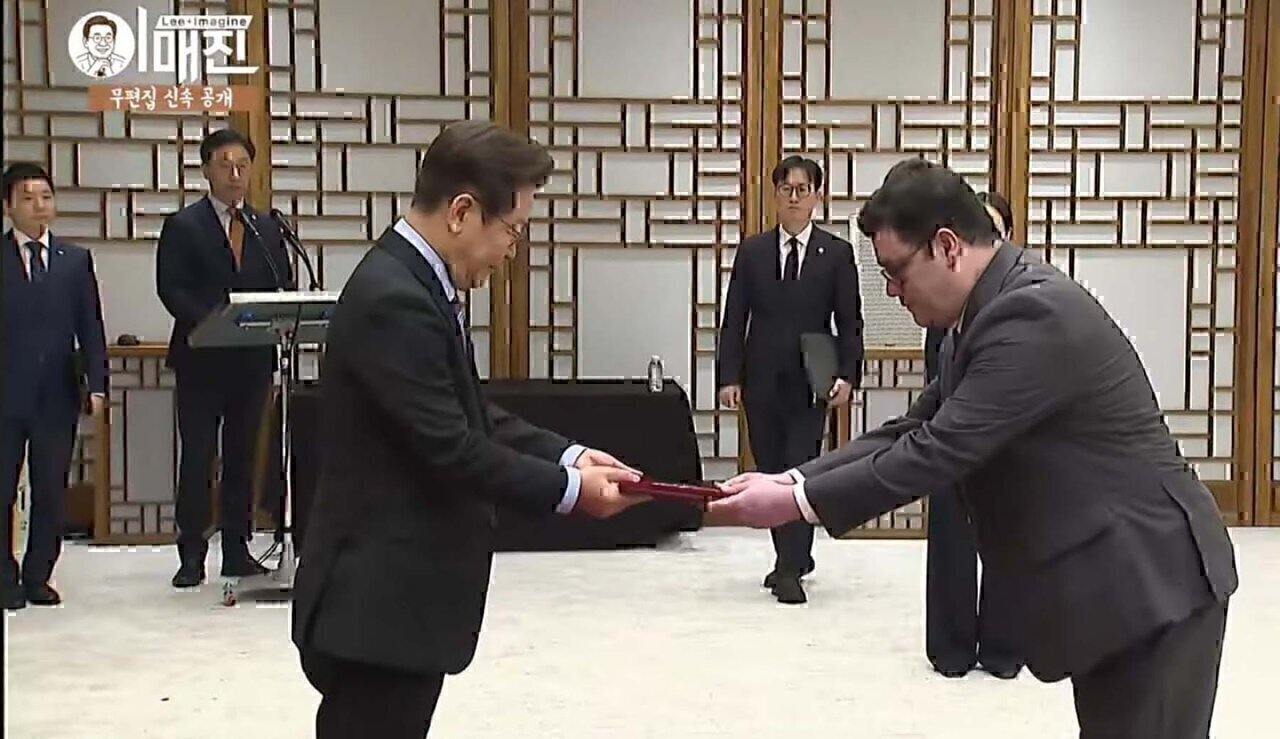
Seoul – Lee Jung-hyun, the chairman of the People Power Party’s (PPP) nomination management committee, said he intends to resign just 29 days after taking the post, describing the party’s current state as “in a coma.” He also offered a blunt assessment of the party’s recent actions around Seoul’s local elections, including the mayor’s race.
In an interview with JoongAng Ilbo, Lee recalled that in his 41-year political career he had never seen regions where not a single candidate filed for district-level mayor posts. He said the party’s local organization and talent pool were effectively paralyzed, a condition he likened to a coma rather than a mere drop in support.
Lee said his response to the crisis was to pursue an “electric shock” level of change to the nomination process, not a simple tweak. He described his idea as a revolutionary reform intended to revive the party’s capacity to field strong candidates and deliver tangible changes to voters.
Regarding Seoul Mayor Oh Se-hoon’s recent movements related to local election candidate registration, Lee offered a principled rebuke. He argued that political status should not justify bending rules, insisting on even treatment for all candidates and an uncompromising adherence to party and campaign rules.
Lee attributed his decision to resign to fatigue from ongoing internal strife within the party. He said the constant bickering overshadowed reporting on concrete policy issues and disclosed that even detailing internal conflicts could inflame tensions, prompting his quiet departure.
Contrary to talk of a rift with the party leadership, Lee said there has been “not a sliver” of conflict with the party’s top leadership and suggested the leader had provided opportunities to advance the nomination work.
Asked about a possible return to politics, Lee declined to dwell on the question, saying “every matter has its time,” and that he would rest at a regional location while contemplating his next steps.
Why this matters beyond Korea: the PPP’s ability to field credible candidates in local elections affects Seoul’s governance and, by extension, national policy directions on economy, technology, and security—areas of particular interest to U.S. policymakers and investors. Seoul shapes South Korea’s tech ecosystem, regulatory climate, defense procurement, and alliance coordination with the United States. Internal party stability in the run-up to local elections can influence market sentiment, investment decisions, and the pace of policy reforms that touch supply chains, domestic resilience, and regional security posture.