Korea Warns on Kidney Health: Limit NSAIDs, Protein, and Potassium in Diet
South Korea’s disease-control agency says kidney health should be a priority for adults, warning that long-term use of painkillers, excessive protein, and high-potassium fruits can pose risks for those with reduced kidney function. The kidneys operate largely without obvious symptoms in early stages, so regular screening is important to catch problems before they become serious.
According to the Korea Disease Control and Prevention Agency, about 12% of the population has chronic kidney disease, with roughly one in seven to eight people affected. The guidance notes that a protein-heavy diet can place an extra burden on the kidneys because nitrogen wastes from protein metabolism must be filtered, potentially affecting kidney function over time.
For people with kidney concerns, the standard recommendation is to limit daily protein intake to about 0.6 to 0.8 grams per kilogram of body weight. However, restricting protein too much can lead to nutritional deficiencies, so decisions should be made in consultation with a clinician based on an individual’s condition.
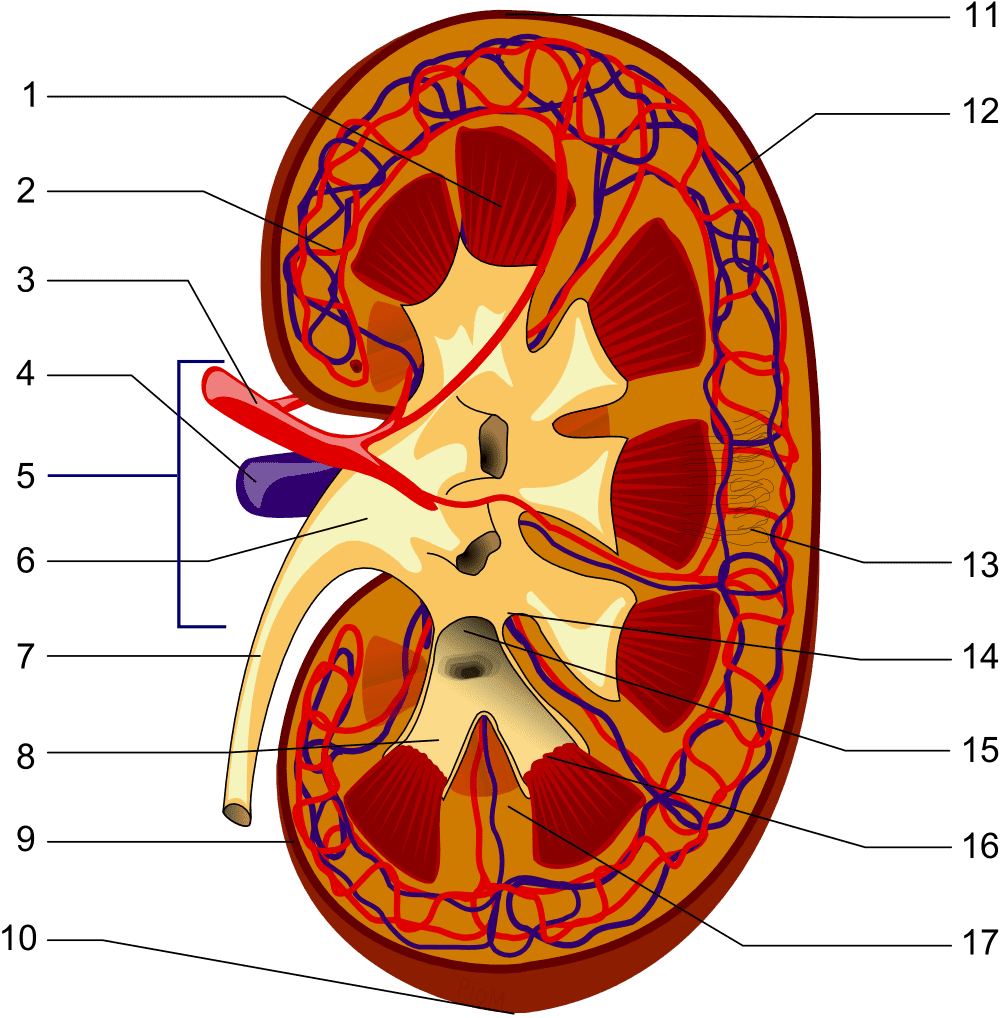
The guidance also cautions that fruit high in potassium can be problematic for those whose kidney function is compromised. Hyperkalemia can cause tingling, muscle weakness, low blood pressure, and heart rhythm disturbances, potentially progressing to serious outcomes if not managed. Common high-potassium foods cited include bananas, oranges, kiwis, and tomatoes.
Long-term use of nonsteroidal anti-inflammatory drugs, or NSAIDs, is another concern because these medications can reduce kidney blood flow by blocking prostaglandins. The risk rises when NSAIDs are taken with hypertension medications or diuretics, increasing the chance of acute kidney injury.
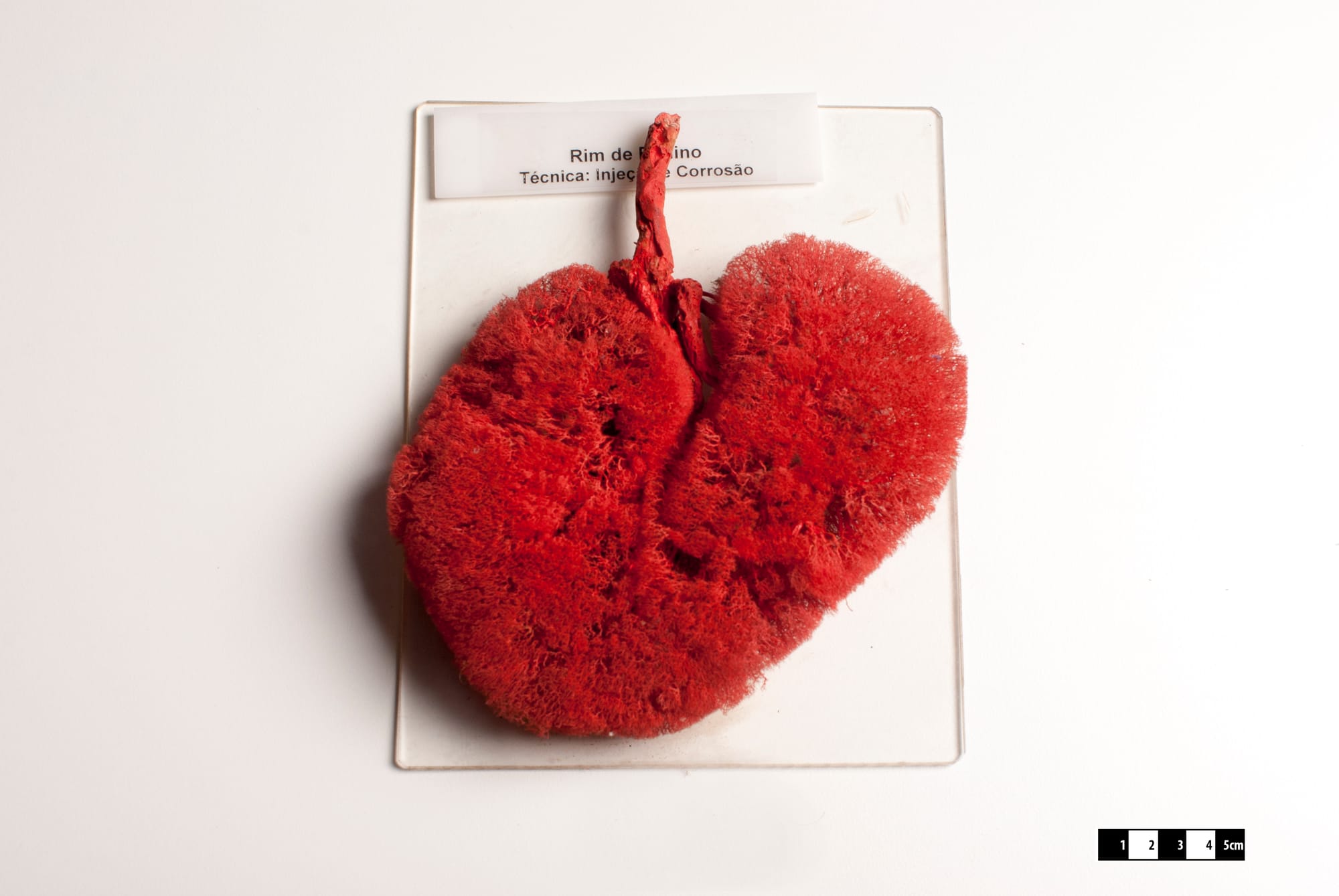
Reducing salt intake is emphasized as a key lifestyle measure. The recommended daily limit is under 5 grams of salt. The guidance also warns against extreme sodium restriction or inadequate hydration, which can reduce kidney blood flow and cause dehydration; a balanced diet with adequate fluids is advised.
The Korea Society of Nephrology defines a glomerular filtration rate—an overall measure of kidney function—and recommends seeing a nephrologist if the rate falls below 60. Early signs can be subtle, but routine urine protein tests can help detect issues before symptoms appear. Dr. Go Se-yeon of Incheon Himchan General Hospital’s nephrology department says sustained high blood pressure damages the tiny vessels in the kidneys, while prolonged high blood sugar thickens the filtration barrier, reducing function. If fatigue, itching, or loss of appetite persists, seeking a specialist evaluation is advised.
Why this matters to U.S. readers: kidney disease shares many risk factors with conditions common in the United States, including hypertension and diabetes, and many people in the U.S. regularly use NSAIDs for pain. The Korean guidance reinforces universal public-health themes—regular screening for kidney function, careful medication use, and dietary management—that are relevant to U.S. patients, clinicians, and policymakers as they address CKD prevention, treatment costs, and the impact on the healthcare system. The emphasis on simple, accessible tests such as urine protein checks and the role of patient–doctor collaboration in tailoring diets also aligns with approaches used in American care to slow CKD progression and preserve quality of life.