South Korea study links sugary drinks to colorectal cancer risk among under-50s
A South Korean report highlights new evidence linking sugary drinks to a higher risk of colorectal cancer, particularly among people under 50. The findings come as American cancer statistics show a rising incidence of colorectal cancer in younger adults, underscoring the global relevance of diet and lifestyle in cancer risk.
The American Cancer Society’s 2026 colorectal cancer statistics show that incidence among 20–49-year-olds is rising about 3% per year, and incidence among 50–64-year-olds is rising about 0.4% per year. Mortality among patients under 50 has also been increasing by about 1% per year since 2004. These trends have prompted renewed interest in factors beyond aging and genetics.
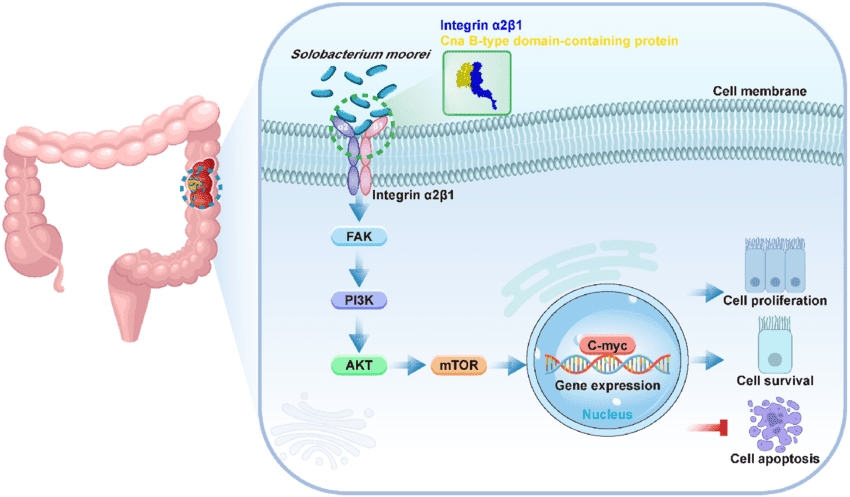
Experts say rising obesity, greater consumption of ultra-processed foods, and reduced physical activity help explain more cancers among younger people. They emphasize that everyday lifestyle choices, including what people drink, appear to influence the risk of developing colorectal cancer through effects on body weight, inflammation, and gut health.
In a study published in the medical journal Gut, researchers tracked 95,464 women for 24 years and found that drinking two or more sugary beverages daily before age 50 doubled the risk of colorectal cancer. The study also found that each additional daily serving of sugary drinks (about 240 milliliters) raised colorectal cancer risk by about 16%, with the highest increase—about 32%—seen among those aged 13–18.
The researchers describe several mechanisms by which sugary beverages may contribute to cancer risk: they may worsen insulin sensitivity and promote low-grade systemic inflammation and obesity, which in turn increase the risk of type 2 diabetes and colorectal cancer. They also note that high-glycemic-load drinks can burden the pancreas and suppress satiety, potentially leading to excessive energy intake; added fructose may disrupt the gut microbiome and compromise the intestinal barrier, enabling harmful substances to enter the bloodstream.

Replacing sugary beverages with alternative drinks—such as unsweetened beverages, coffee, or milk (low-fat or regular)—could reduce colorectal cancer risk by as much as 36%. While researchers caution that more work is needed to determine whether unsweetened drinks alone prevent cancer, they say reducing sugary drink intake among teenagers and young adults may be a realistic strategy to lower cancer risk.
For U.S. readers, the study matters because colorectal cancer is increasingly seen in younger Americans, a trend that affects screening guidelines, healthcare costs, and public health messaging. The findings add to a broader evidence base about how diet, obesity, and gut health intersect with cancer risk, and they highlight a potential area—beverage choices—for consumer education and policy discussions on sugar-sweetened beverages, nutrition labeling, and school and workplace offerings.