Seoul fire at Sogong-ro building injures several; residents evacuated
A fire broke out on the third floor of a building at 81 Sogong-ro in Seoul’s Jung-gu district on the afternoon of the 14th, producing heavy smoke and prompting an immediate emergency response. Fire officials declared a Level 1 response and focused on extinguishing the blaze and locating any occupants. Police also evacuated nearby residents and controlled traffic around the area.
The building, a basement-one to seven-story structure, has floors 3, 6 and 7 operated as guesthouses. By early reporting, three people were seriously injured and seven others were lightly injured. The three seriously injured were transported to nearby hospitals, while the seven with minor injuries were being cared for at a temporary medical station and shelter set up at the Sogong-dong Community Center and in the lobby area of a hotel across from the scene.
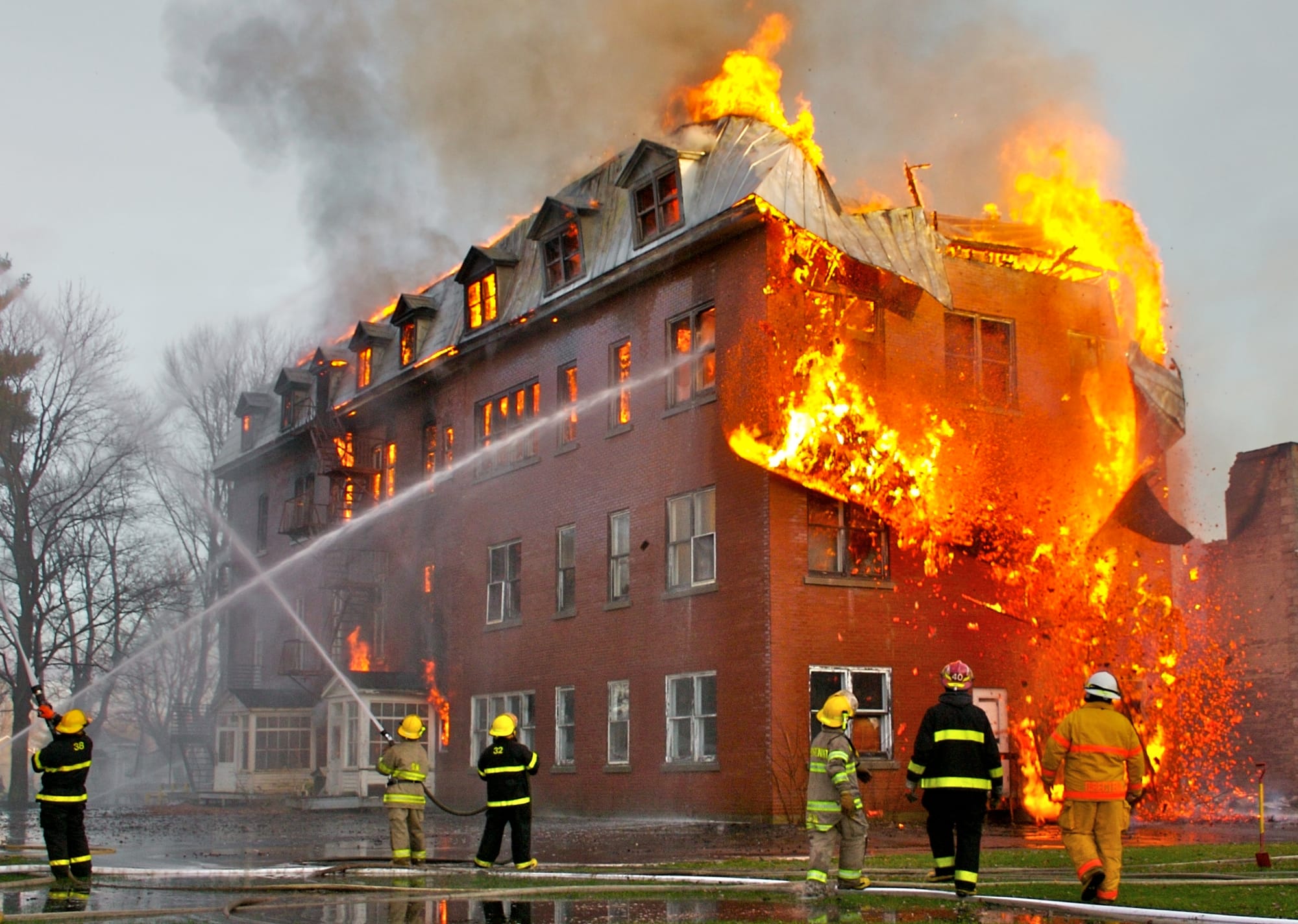
Firefighting authorities said they continued to press the operation, with a Level 1 response declared at about 6:36 p.m. The response involved 295 personnel in total, including 110 firefighters, 180 police, 20 staff from the Jung-gu district office, and 3 city gas workers. A total of 48 units of equipment were deployed, including 31 fire engines, 16 police vehicles, and one city gas vehicle.
Road closures and area restrictions were put in place around the site. The affected zone spans Sejong-daero 18-gil Intersection to Namdaemun-ro 7-gil, as well as Sogong-ro around the Daehanmun area to Namdaemun 7-gil and toward the Sogong Building, with traffic controlled to facilitate firefighting efforts.
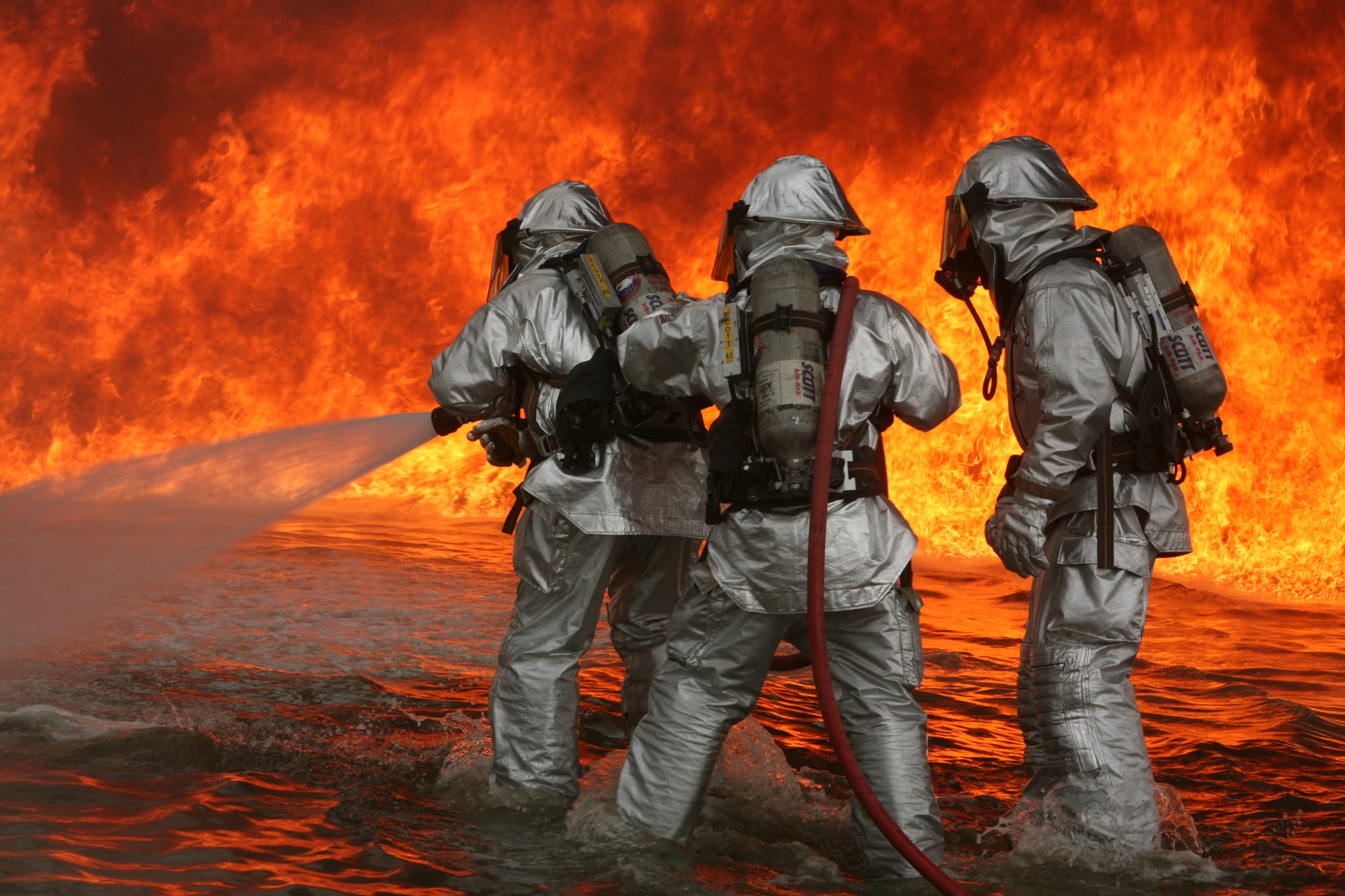
Minister Yoon Ho-jung of the Ministry of the Interior and Safety ordered agencies to mobilize all available personnel and equipment to carry out rescue operations and extinguish the fire. Seoul Mayor Oh Se-hoon also directed field operations to be conducted with all due care and for support to victims to be provided promptly.
The incident highlights fire safety and emergency-response challenges in central Seoul, a district that combines government offices, business offices, and lodging for travelers and workers. For U.S. readers, the event underscores the importance of robust urban safety standards and disaster-response coordination in major global cities where many multinational firms and travelers operate, as well as the potential ripple effects on traffic, hospitality services, and business activity in a key regional hub.