InterBattery 2026 Closes After Record Turnout, Korea Expands Battery Focus Beyond EVs
InterBattery 2026, Korea’s flagship battery industry expo, closed after a three-day run with record participation. The event drew exhibitors from 14 countries, comprising 667 companies and 2,382 booths, underscoring its status as the industry’s largest showcase in Korea. More than 20,000 visitors attended each day, despite ongoing concerns about EV demand and market shifts in North America. The fair is organized by the Ministry of Trade, Industry and Energy, with the Korea Battery Industry Association, COEX and the Korea Trade-Investment Promotion Agency (KOTRA) as organizers.
With the global EV market facing a temporary slowdown and policy recalibrations in North America, exhibitors used InterBattery 2026 to chart growth beyond traditional EV sales. The program emphasized new demand channels such as energy storage systems (ESS), AI data centers, robotics, and related applications like urban air mobility (UAM), signaling a broader technology and market strategy for next-generation batteries.
LG Energy Solution showcased for the first time a solid-state sulfide-based battery in a real sample, along with a module mockup. The company outlined strategies to apply this technology not only to premium electric vehicles but also to humanoid robots and UAM, signaling a push to diversify demand for next-generation batteries across high-growth sectors.
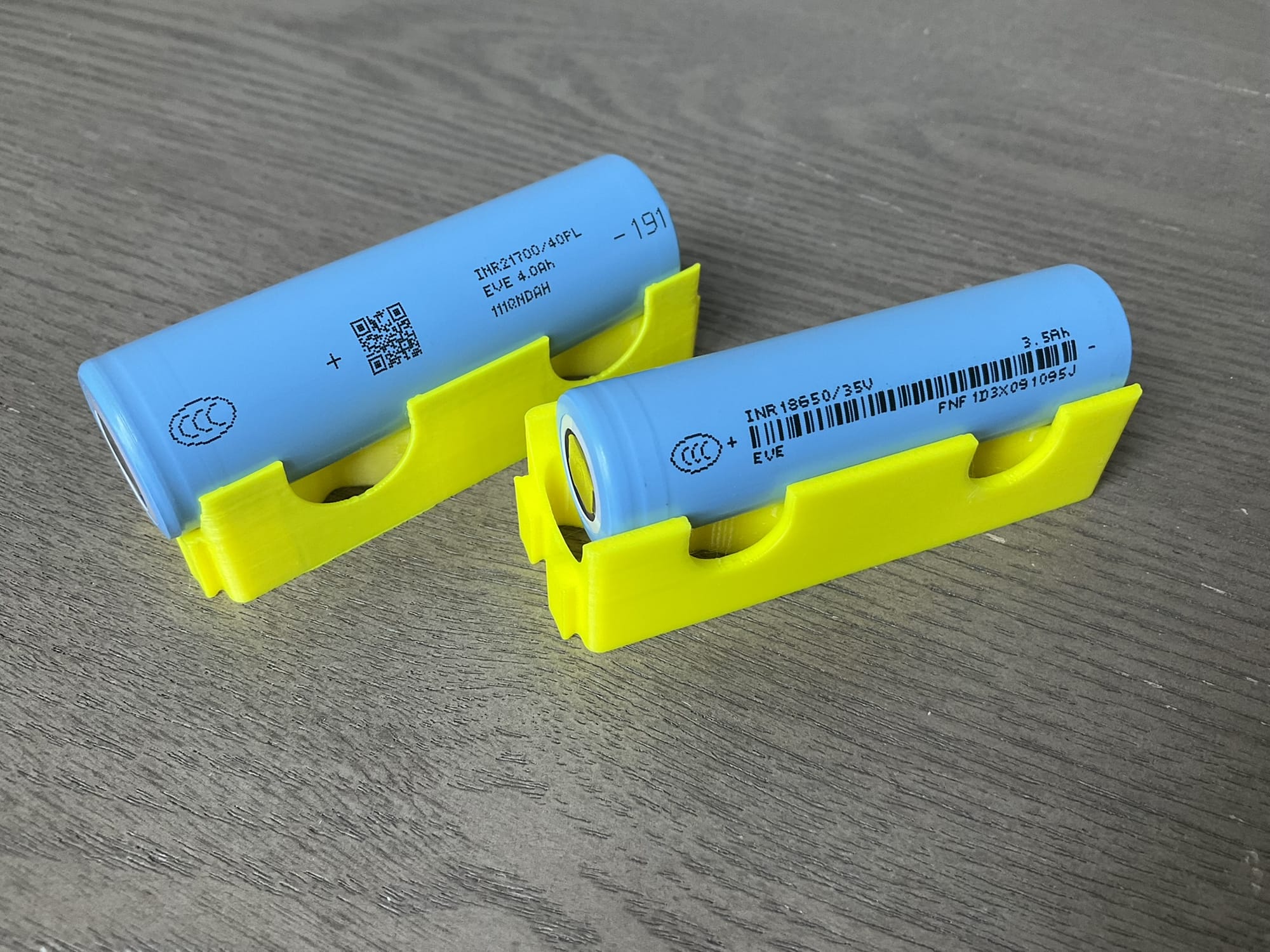
Samsung SDI presented pouch-type solid-state battery samples aimed at “physical AI” applications such as humanoid robotics. The company also announced upcoming branding for its solid-state products, including a “Prism Stack” for cylindrical cells and a forthcoming “Solid Stack” for next-generation solid-state batteries, highlighting a dual pathway for both existing and future formats.
SK On’s presence included an autonomous mobile robot (AMR) for logistics, powered by SK On’s high-nickel battery. The booth also featured a Genesis GV60 Magma electric vehicle with a lithium-ion battery, but overall the expo placed less emphasis on EVs than in previous years, reflecting the broader pivot toward new markets.
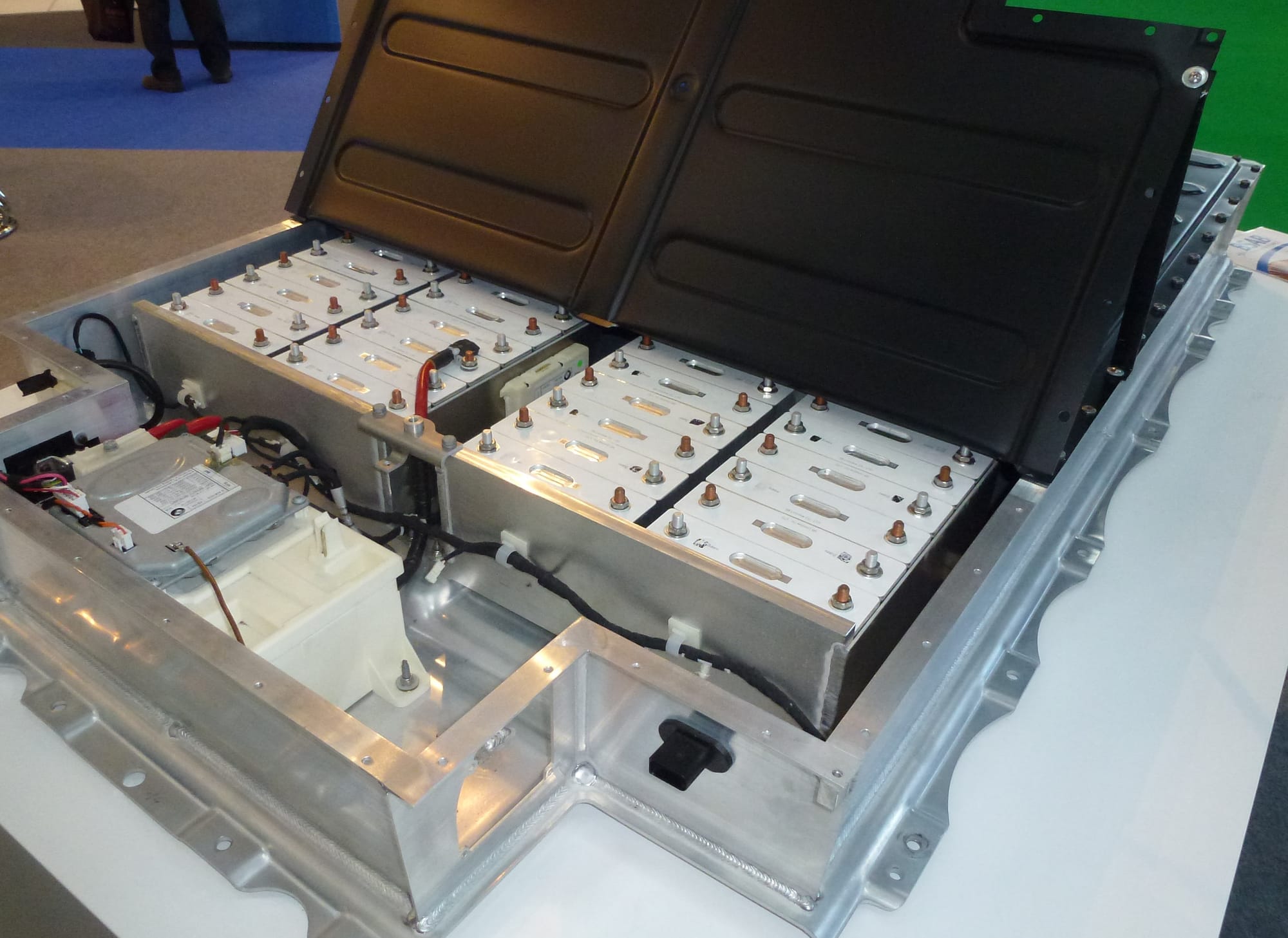
A non-profit materials and equipment exhibitor demonstrated X-ray and 3D CT-based non-destructive testing solutions, presenting capabilities for various next-generation battery formats, including solid-state, LFP, 46‑mm diameter cells, and ESS configurations. Such testing technologies are seen as critical for quality control and scaling production as battery chemistries diversify.
The concurrent Battery Conference included insights from IM Securities analyst Jung Won-seok, who noted that although EV demand is likely to remain volatile due to policy and market factors, ESS demand is structurally rising due to expanding AI data centers and power-grid investments. He suggested that the industry is shifting growth away from EVs toward ESS and other new applications, a trend watched by suppliers and investors globally.
For U.S. readers, the event highlights how Korea’s battery ecosystem is expanding beyond EVs to address storage, data-center infrastructure, robotics, and mobility technologies. Advancements in solid-state chemistry, high-nickel chemistries, and advanced testing capabilities are relevant to American manufacturers, suppliers, and policymakers seeking resilient supply chains, diversified energy storage options, and collaboration opportunities across technology and infrastructure sectors.