New York City Proposes $30 Minimum Wage by 2030-32, Facing Legal Hurdles
Progressive members of the New York City Council have introduced a bill to raise the city’s minimum wage to $30 per hour, with a phased timetable through 2032, The Wall Street Journal reported. The measure was filed as of December 10, with the Journal publishing details on December 12 local time.
Under the proposal, large employers would be required to reach $30 by 2030, while companies employing fewer than 500 workers would reach $30 by 2032. At $30 per hour, the annual salary would be about $62,400, the bill’s supporters say. If enacted, New York City would have the highest minimum wage among U.S. cities.
The plan would place New York City ahead of other cities currently setting higher local wages; the Journal notes that Seattle is commonly cited as having the highest minimum wage in the country at about $21.30 per hour.
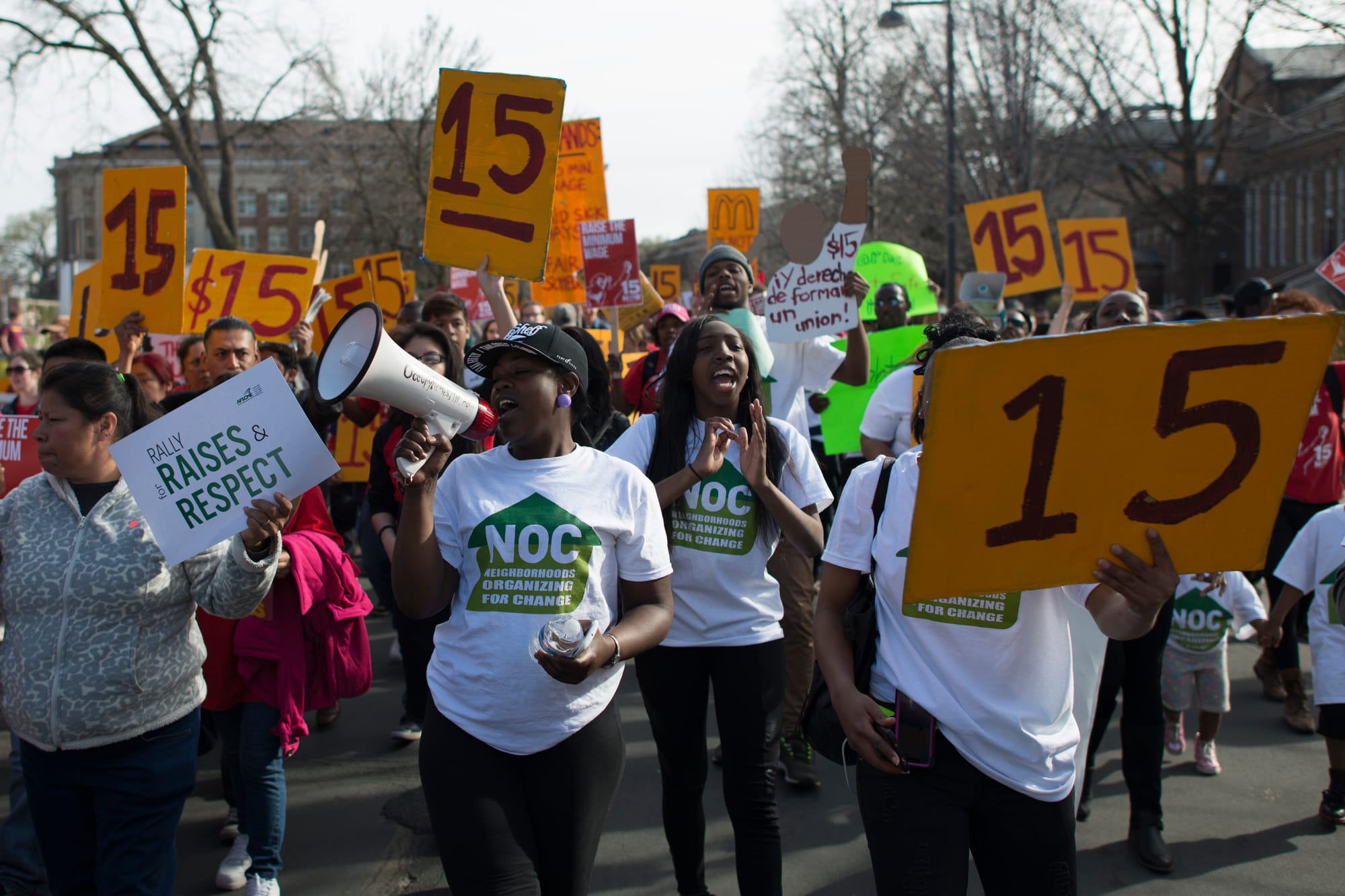
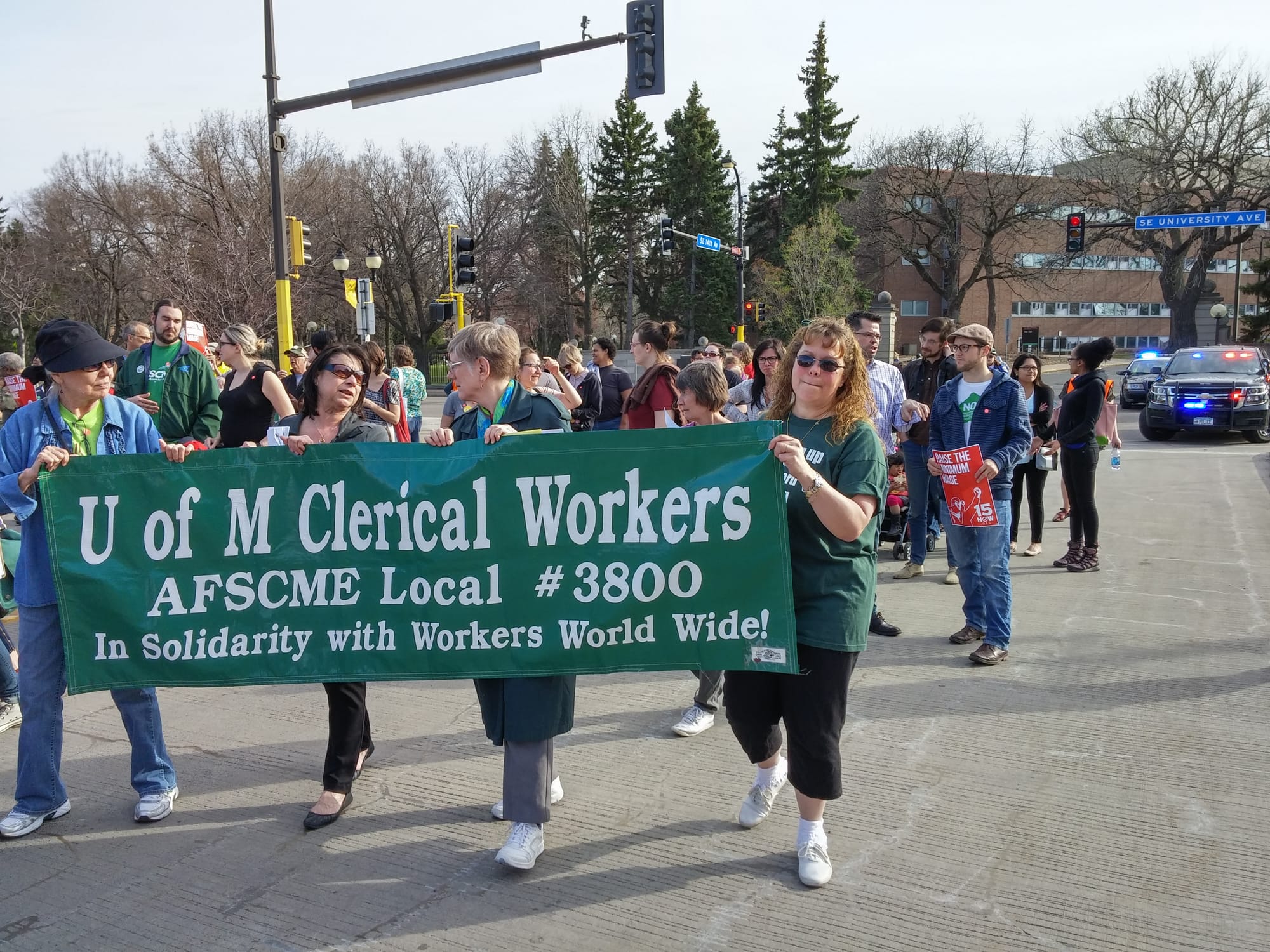
Labor unions and low-wage workers have expressed backing for the bill, arguing it would alleviate the cost-of-living burden in a city known for high housing and everyday expenses. Small-business groups, by contrast, have criticized the proposal, warning that rapid wage increases could raise operating costs at a time when rents, utilities, and insurance have already risen since the pandemic.
A legal question hangs over the proposal: in New York, minimum wage authority is set at the state level, so it is unclear whether the City Council can independently set a citywide wage, potentially prompting legal challenges.
The bill’s backers point to the mayor, who won last year’s election on a platform emphasizing relief from inflation and the cost of living, as having previously signaled support for raising the minimum wage to $30 by 2030.
The Wall Street Journal’s coverage says the bill was introduced on December 10, with the journal’s reporting published on December 12. An analysis from the Economic Policy Institute cited by the outlets estimates that if enacted, about 1.68 million of New York City’s wage workers would see higher pay—more than one-third of the city’s wage-earning population.
For U.S. readers, the proposal highlights how wage-setting in one of the nation’s largest economic hubs could influence labor costs, business climate, and inflation, with potential ripple effects on supply chains, urban economies, and national wage policy debates.