Missile Strikes U.S. Embassy in Baghdad, Regional Tensions Rise

A missile struck the helipad inside the U.S. Embassy compound in Baghdad on the morning of the 14th local time, with explosions sending black smoke over the sprawling complex. Authorities have not yet confirmed who carried out the attack, with officials saying it is unclear whether Iran or Iran-aligned Iraqi militant groups were responsible.

The Baghdad embassy is among the largest U.S. diplomatic facilities globally. Iran-linked armed factions have previously used rockets and drones to attack American targets and allied sites in the region, underscoring a persistent security challenge for U.S. diplomacy in Iraq.

Through PEPFAR in coordination with the Ministry of Health and Wellness, we produced a 40-minute documentary, Have It All, which focuses on five Batswana individuals living well with HIV. It presents the stories of these brave and determined individuals as they describe their journeys through testing, disclosure, treatment, and living with the virus. The five subjects of the film range in age from 20 to 71, and each one of them is living a full, productive life on treatment. Yesterday at Riverwalk Capitol Cinemas we premiered the film to the audience in the presence of His Excellency President Masisi and First Lady Neo Masisi, Former President Mogae, Minister of Health Dr. Madigele and other government officials, parastatals, diplomatic missions, and the media. We thank you all for taking part in this long journey to create and AIDS Free Future. #PEPFAR15 #HaveItAll
Representative image for context; not directly related to the specific event in this article. License: Public domain. Source: Wikimedia Commons.

U.S. officials have been tightening security around the Baghdad mission. On the 13th, the embassy raised its security alert to the highest level, Level 4. Earlier, on the 10th, the Baghdad Diplomatic Support Center, a military logistics hub that supports diplomatic personnel, was attacked by drones.

Analysts say the current wave of attacks appears to be part of a broader confrontation following the start of U.S. and Israeli strikes on Iran last month. Since those operations began, regional targets tied to Iran and its proxies have become more exposed.

In the widening pattern, other U.S. facilities in the Gulf region have also been attacked. Kuwait’s U.S. embassy building and the United Arab Emirates’ Dubai consulate were targeted in separate incidents after the escalation began, highlighting a regional risk to American diplomatic presence.
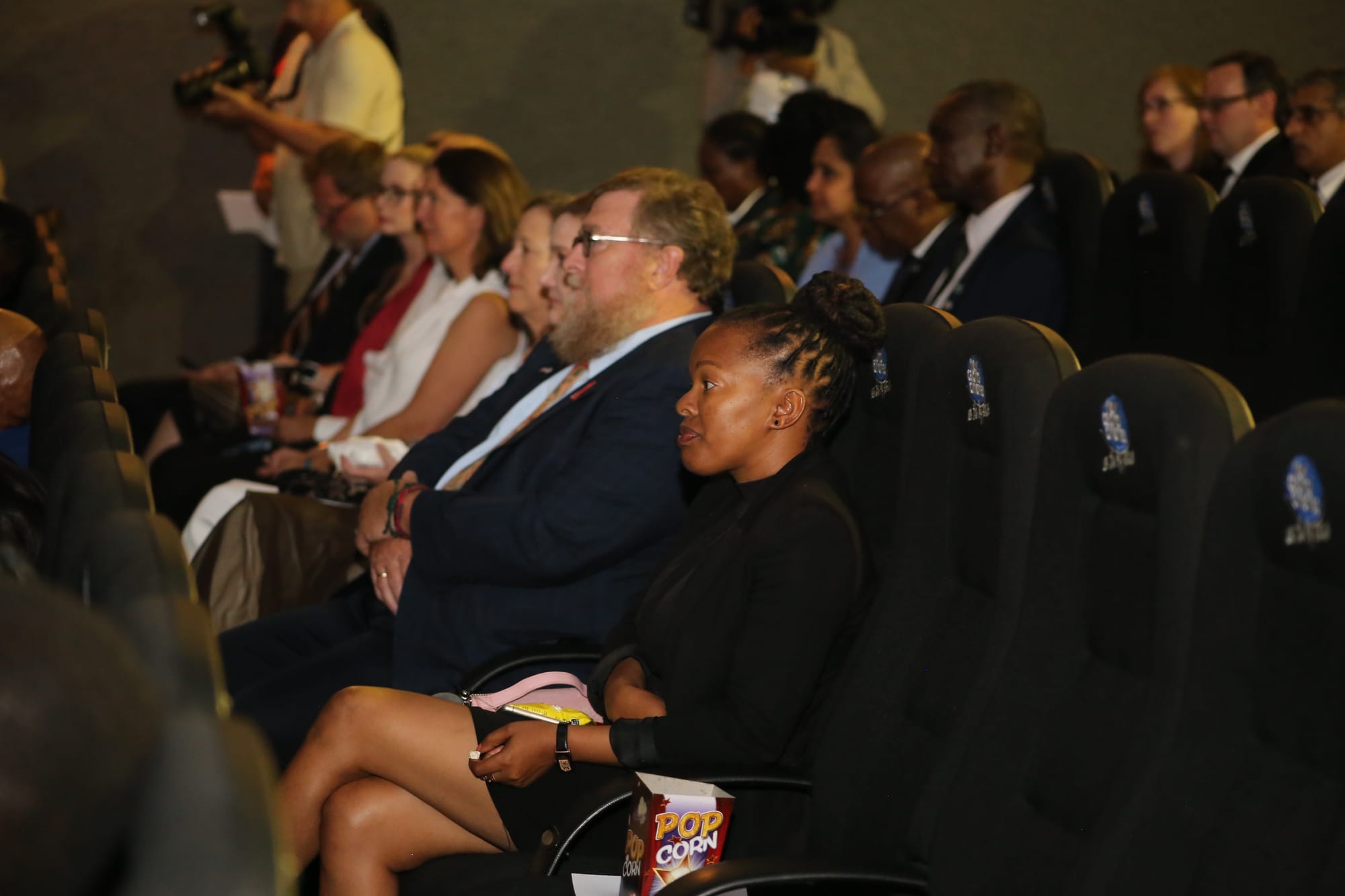
Through PEPFAR in coordination with the Ministry of Health and Wellness, we produced a 40-minute documentary, Have It All, which focuses on five Batswana individuals living well with HIV. It presents the stories of these brave and determined individuals as they describe their journeys through testing, disclosure, treatment, and living with the virus. The five subjects of the film range in age from 20 to 71, and each one of them is living a full, productive life on treatment. Yesterday at Riverwalk Capitol Cinemas we premiered the film to the audience in the presence of His Excellency President Masisi and First Lady Neo Masisi, Former President Mogae, Minister of Health Dr. Madigele and other government officials, parastatals, diplomatic missions, and the media. We thank you all for taking part in this long journey to create and AIDS Free Future. #PEPFAR15 #HaveItAll
Representative image for context; not directly related to the specific event in this article. License: Public domain. Source: Wikimedia Commons.

The U.S. State Department has been withdrawing nonessential diplomatic staff from several Middle Eastern countries amid the heightened threat environment, reflecting a broader caution about the safety of overseas personnel and operations.

For the United States, the episode matters beyond Iraq because it tests the resilience of American diplomacy in a volatile region that underpins security, energy markets, and supply chains. It also shapes strategic calculations on deterrence, alliances, and crisis management in the United States’ approach to Iran and its networks of influence.

Subscribe to Journal of Korea

Don’t miss out on the latest issues. Sign up now to get access to the library of members-only issues.
jamie@example.com
Subscribe