South Korea's Butter Tteok Trend Spreads to Global Cafés
A new South Korean dessert trend has emerged around a treat called Butter Tteok, following the earlier frenzy over the Dubai Chewy Cookie. Social media posts and cafe menus have helped the butter-enabled snack gain traction beyond traditional Korean pastries.
The Dubai Chewy Cookie, once notorious for scarce supply and “open-run” sales, saw its scarcity premium fade as producers increased output. As that craze cooled, interest shifted to a new item marketed as Shanghai Butter Tteok, a name some see as a marketing label rather than a traditional dish connected to Shanghai.
Shanghai Butter Tteok is described not as a classic Korean rice cake but as a hybrid between butter cake and mochi. It typically uses rice flour or glutinous rice flour, with butter, milk, sugar and eggs, baked to yield a crispy exterior and a chewy interior. The label appears to be a trend-driven branding choice by Korean cafes rather than a confirmed Chinese dessert lineage.
Ediya Coffee, a major South Korean coffee chain, began selling its own version last month: “Condensed Milk Drizzled Butter Chewy Mochi,” priced at 2,500 won per piece. The item has already led to occasional out-of-stock situations at prime locations, signaling strong consumer demand.
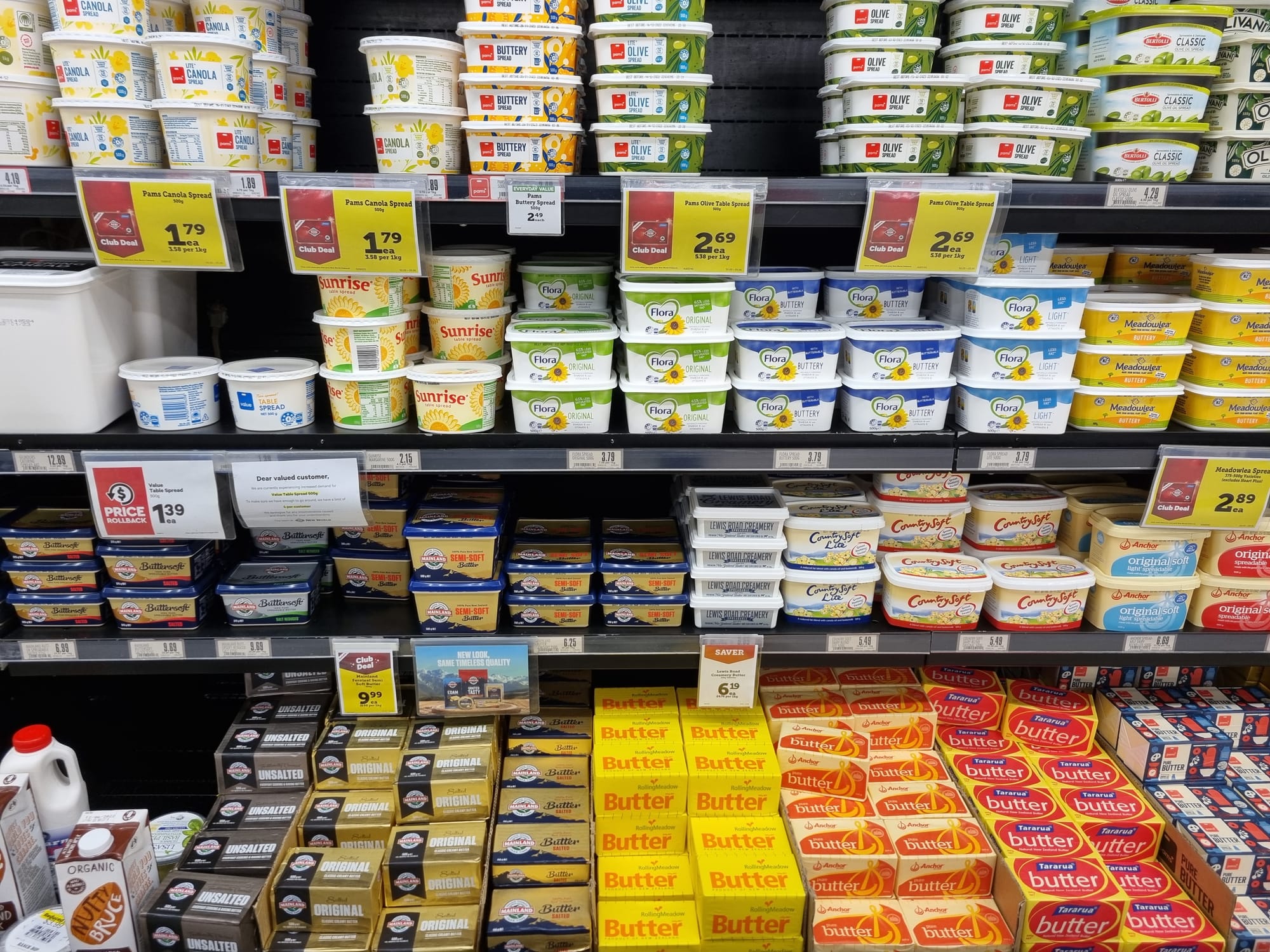
Unlike the Dubai craze, butter tteok relies on ingredients that are widely available and easy to source, making it harder to sustain a scarcity premium. Industry watchers note that this broader accessibility could dampen price spikes and limit the kind of supply-chain bottlenecks seen with the earlier fad.
For U.S. readers, the story illustrates how social media can accelerate cross-border food trends and how cafe menus in one country can influence consumer tastes abroad. It also highlights how mainstream chains abroad experiment with hybrid desserts that mix cake and mochi textures, potentially informing product development for U.S. cafés and retailers.
Beyond Korea, the trend underscores the globalization of cafe culture and quick-to-market marketing tactics. As brands test unconventional desserts, observers should watch for how such items perform in terms of pricing, supply resilience, and adaptation in other markets, including the United States.