North Korea stages long-range artillery and missile drill as regional tensions persist
North Korea’s leader Kim Jong Un presided over a long-range artillery and ballistic missile system joint drill on May 8 of last year, according to the Rodong Sinmun, the official newspaper of the ruling Workers’ Party.
The exercise reportedly deployed a 600-millimeter multiple-launch rocket system and a Hwaseong-11-type tactical ballistic missile.
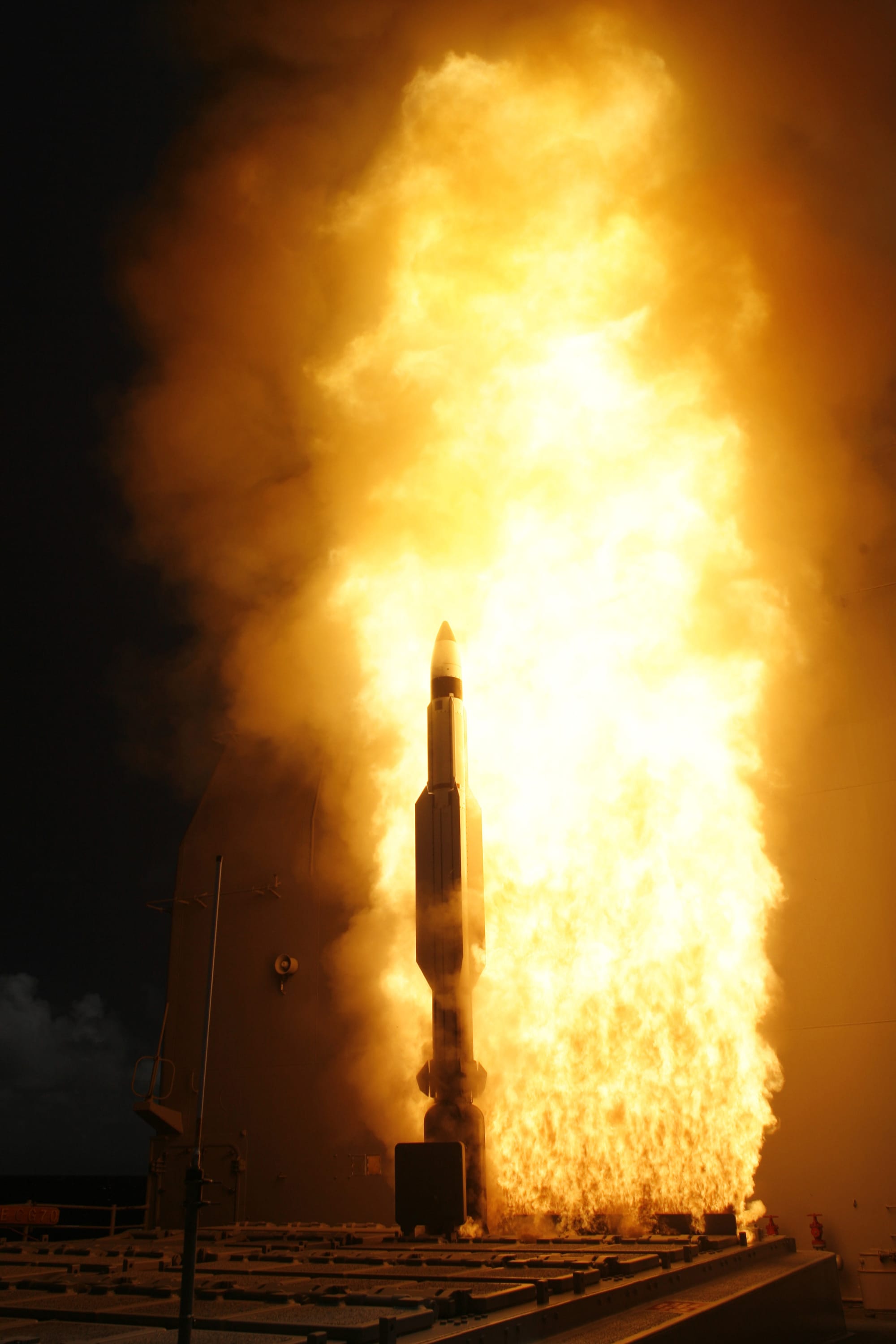
On May 14, Japan’s government lodged a formal protest after North Korea fired ballistic missiles toward the East Sea, saying the launches threaten regional peace and security and violate United Nations Security Council resolutions. Japan’s Defense Ministry said several missiles launched northeast from North Korea appeared to fall just outside Japan’s exclusive economic zone near the Korean Peninsula, with flight distances estimated at about 340 kilometers and maximum altitudes around 80 kilometers. The Coast Guard warned ships to remain vigilant as maritime traffic continued.
Japanese Prime Minister Sanae Takai announced that the government would prioritize information gathering, provide prompt and accurate updates to the public, ensure safety checks for aircraft and ships, and be prepared for any contingency. Defense Minister Shinziro Koizumi told reporters that Tokyo would work closely with the United States and South Korea on intelligence gathering and analysis and maintain continuous vigilance.
The South Korean Joint Chiefs of Staff issued a briefing stating that North Korea fired more than ten ballistic missiles to the east. It was described as the third ballistic missile launch by Pyongyang this year, with the launches occurring 47 days after the previous one.
For U.S. readers, the developments matter because they reflect ongoing security tensions on the Korean Peninsula and in Northeast Asia, with implications for U.S. defense planning, deterrence posture, and alliance coordination with South Korea and Japan. Recurrent missile tests can affect regional stability, influence sanctions policy, and impact global markets and supply chains that rely on secure East Asian sea routes.
Context for non-Korean readers: the East Sea is the body of water between the Korean Peninsula and Japan (also referred to as the Sea of Japan in Japan). North Korea’s weapons programs and periodic missile tests have long drawn international scrutiny, including UN Security Council resolutions and allied responses from the United States, South Korea, and Japan.