Trump claims U.S. bombed Kharg Island, Iran's oil hub, amid Hormuz tensions
President Donald Trump claimed on Truth Social that the United States carried out one of the most powerful bombing campaigns in Middle East history, destroying all military targets on Kharg Island, a key Iranian oil export facility. He said the strike was ordered by him and that the decision not to destroy the island’s oil infrastructure was made for conscience’s sake, but that he would reconsider if Iran or anyone else interferes with ships passing through the Strait of Hormuz.
Kharg Island is described in the reports as Iran’s core oil-export hub, handling about 90% of the country’s crude exports and housing facilities that process roughly 950 million barrels per year. The claims underscore the island’s strategic value in the global oil market.
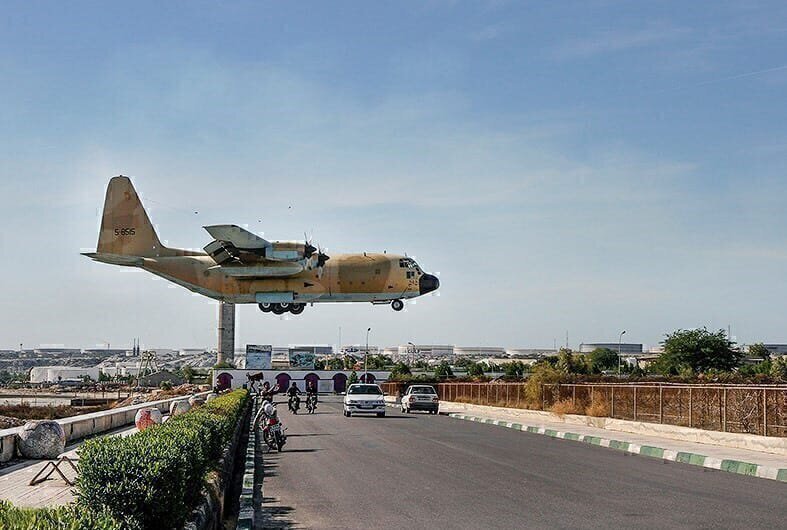
For weeks, the island had largely escaped direct targeting during U.S. airstrikes, a de facto exemption attributed to concerns that striking it could trigger a sharp rise in global oil prices. The latest moves come as markets were already tense, with crude prices briefly surpassing $100 a barrel.
The Trump administration’s action, as described, appears framed as a response to Iran’s potential disruption of shipments through the Strait of Hormuz, a vital chokepoint linking the Persian Gulf to the Arabian Sea and a major conduit for global oil flows.
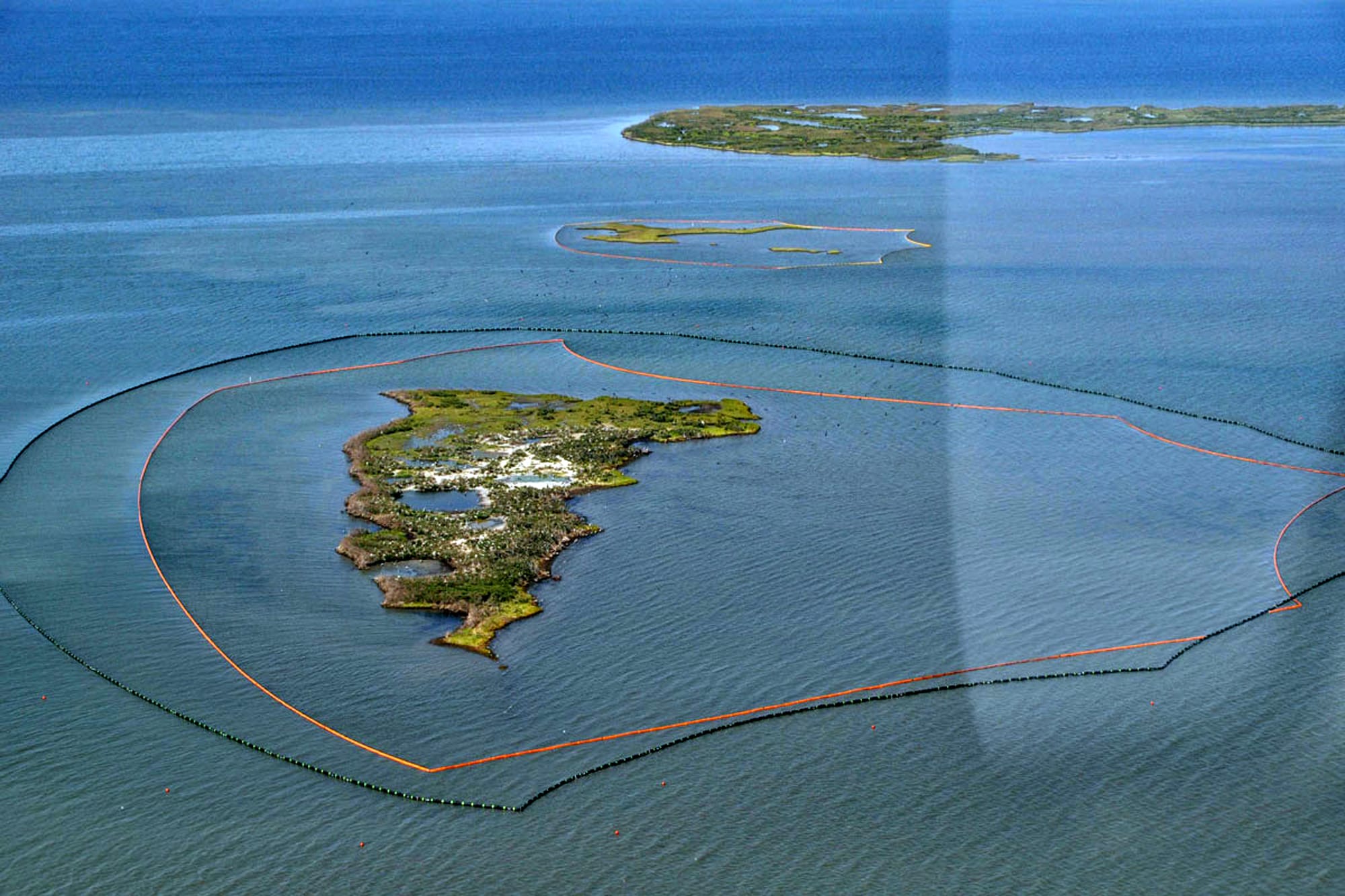
Axios, citing unnamed sources, reported that the administration discussed seizing Kharg Island as a possibility, but warned that sending ground troops to occupy it would be extremely risky and that it remained unclear whether President Trump would pursue such a course.
Context for international readers: Kharg Island hosts Iran’s main oil-export terminal on the Persian Gulf, and the Strait of Hormuz is a focal point of regional security and global energy supply. Any escalation that threatens oil shipments can influence U.S. energy prices, inflation, and policy options in the Middle East, including relations with allies and prospects for sanctions, deterrence, and potential conflict. The episode therefore matters beyond Iran, touching on U.S. market stability, national security planning, and the global outlook for energy security.